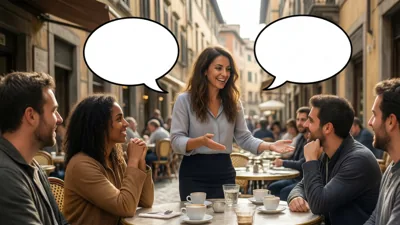
Ciao! I’m Giulia, a native Italian and your language teacher. Today I want to share something that always comes up in my lessons: the unwritten Italian rules that quietly shape everyday life here.
Nobody hands you a rulebook when you arrive in Italy. But trust me, there is one. It lives in how Italians order coffee, pair pasta, greet each other, dress, and even move their hands. These small customs reveal the heart of Italian culture, and once you know them, you will feel far more at home. Ready? Let’s start.
The 10 Unwritten Italian Rules at a Glance
| Rule | In a nutshell |
|---|---|
| 1. Espresso etiquette | Milk coffees are for the morning, espresso is for all day |
| 2. Pasta pairing | Match the shape to the sauce |
| 3. Pausa pranzo | The midday lunch break and a moment to rest |
| 4. Aperitivo hour | A drink and small bites before dinner |
| 5. Hand gestures | Part of the language itself |
| 6. La bella figura | Present yourself at your best |
| 7. Il pranzo della domenica | Family time is sacred |
| 8. The sciopero | Strikes are a workers’ right |
| 9. Driving gestures | The road is a conversation |
| 10. Slow food | Eat well, slowly, together |
Rule 1: The Art of Espresso Etiquette
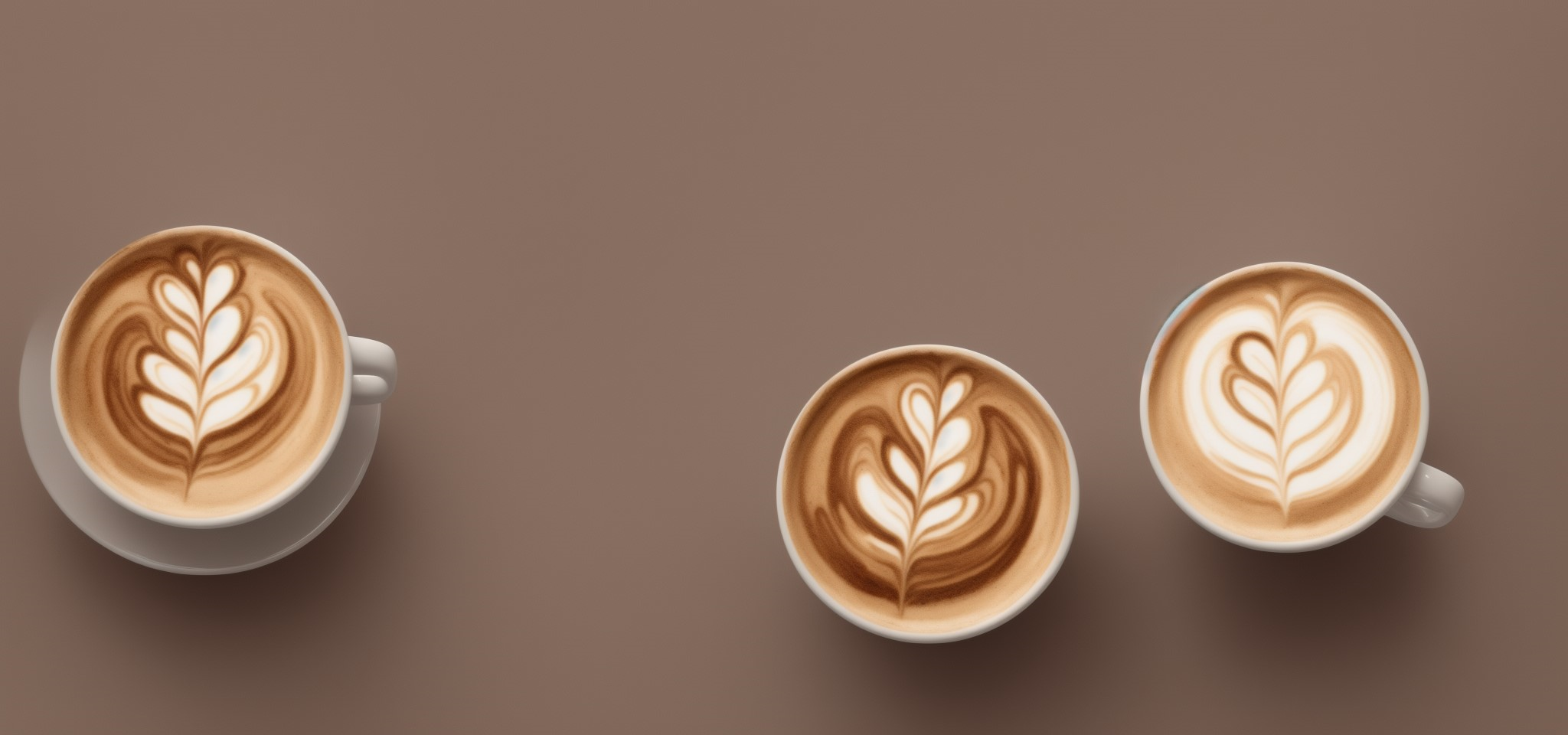
In Italy, coffee is not just a drink. It is a ritual with its own quiet rules.
The most famous rule? Ordering a cappuccino after 11 am. Italians keep milky coffees for the morning, because milk is considered too heavy to digest later in the day. After lunch, it is espresso all the way.
And please, do not ask for a double shot. Italians order a single espresso, un caffè, and savor it standing at the counter in two or three quick sips. One coffee, one sip at a time. That is the spirit of un caffè, un sorso.
If you want to master the whole ritual, from paying at the counter to ordering like a local, my guide to Italian coffee culture has everything you need.
Rule 2: The Art of Pasta Pairing
If you thought pasta shapes were picked at random, think again. Italians are wonderfully precise about pairing each shape with the right sauce.
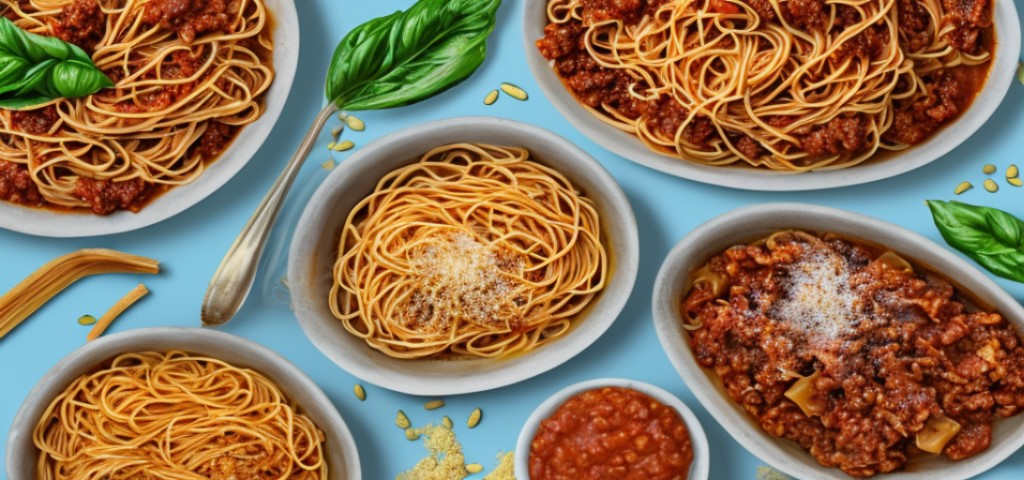
Long, thin pasta like spaghetti or linguine loves light, silky sauces, so every strand gets coated. Short, chunky shapes like penne or fusilli are perfect for hearty sauces with meat, vegetables, or cheese, because their ridges and hollows catch every bite.
So next time you are in an Italian restaurant, choose wisely. Your nonna would be proud.
Want to learn how to order at the restaurant? Read it here
Rule 3: Pausa Pranzo, the Midday Lunch Break
Italy is famous for its relaxed rhythm, and one of its most loved customs is the pausa pranzo, which literally means “lunch break.” Visitors sometimes call it a siesta, but in Italy it is simply la pausa pranzo.
During the hottest hours of the day, many small shops close their doors and people head home for lunch and a rest. The pausa pranzo is not really about napping. It is a moment of pause, a chance to step away from the noise, recharge, and return refreshed.
So when you visit, do not fight the rhythm. Embrace the pause. You might find it is one of the best parts of the day.

Rule 4: The Spritz Hour
Aperitivo is one of Italy’s most beloved rituals. Around six in the evening, bars fill with people enjoying a Spritz, a glass of wine, or a Negroni, always with something small to nibble: olives, chips, and crostini.
In many places, the price of your drink includes access to the aperitivo buffet, so it is both affordable and generous. If you want the history behind this tradition, the Wikipedia page on aperitivo explains where the custom comes from.
The real point of aperitivo is not the drink. It is the unhurried company, the chatter, and the gentle transition from work to evening. Join the locals and enjoy it.
Rule 5: Gestures Speak Louder than Words
Italians are famous for our hands, and honestly, the reputation is well earned. Our gestures are not decoration. They carry real meaning.
There is the hand purse, fingers together, to ask “ma che cosa?” (what on earth?). There is the chin flick for “non me ne frega” (I do not care). And the classic mamma mia gesture, a hand pressed to the cheek, to show surprise or disbelief.
Learning a few gestures does more than help you blend in. It makes your Italian feel alive. And if you are ever unsure, a smile and a shrug will take you far.
Rule 6: Fashion: La Bella Figura
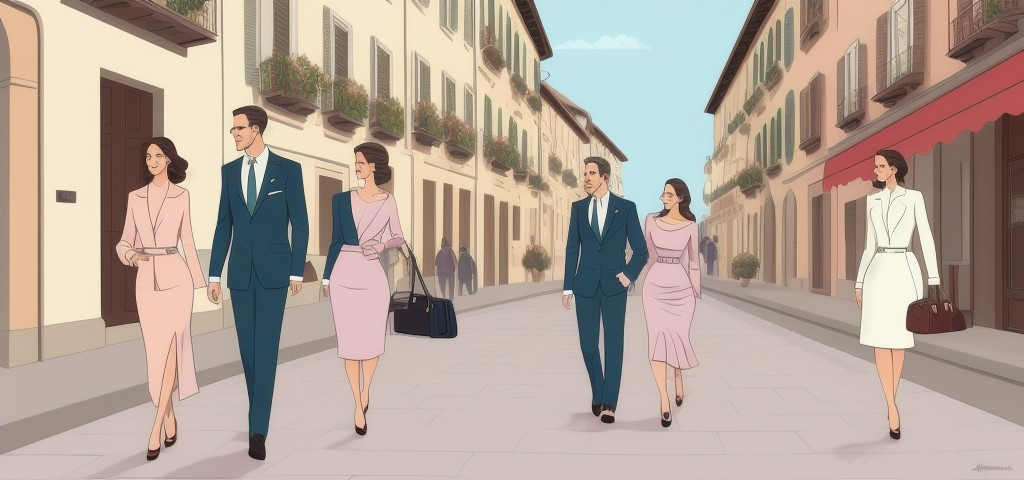
Italians have an innate sense of style, and at the center of it is la bella figura. The phrase literally means “the beautiful figure,” and it describes the art of presenting yourself in the best possible light.
La bella figura is about more than clothes. It is about walking into a room with care, taking pride in your appearance, and showing respect to the people around you. It explains why Italians dress up even for a quick errand, and why a neatly pressed shirt matters.
So when in Italy, make an effort. Dress well, stand tall, and enjoy the feeling. You will notice the difference in how people treat you.
Rule 7: Il Pranzo della Domenica
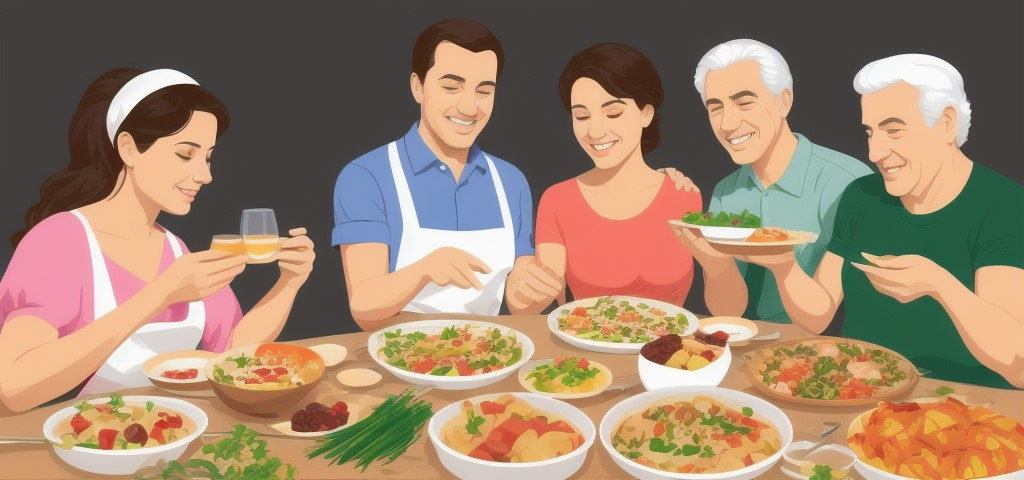
In Italy, Sunday lunch, il pranzo della domenica, is a holy appointment. Families and friends gather around a table for hours, moving through antipasti, a first course, a second course, dessert, and endless conversation.
It is not about rushing. It is about connection: catching up, laughing, arguing lovingly about football, and passing the bread. This tradition shows how deeply Italians value relationships and quality time.
If you are invited to a pranzo della domenica, say yes. Bring something small for dessert or a bottle of wine, and be ready to stay a while.
Rule 8: The Sciopero Culture
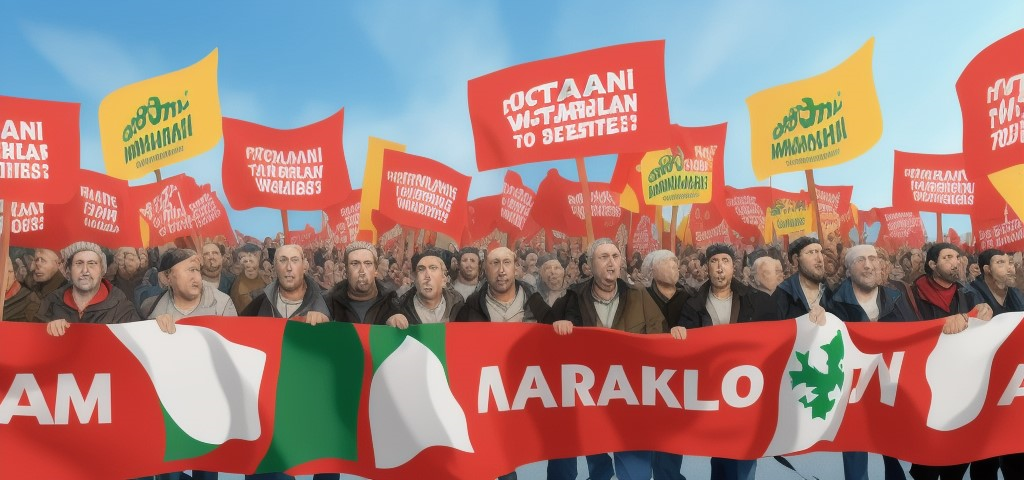
Italians have a unique relationship with strikes, or scioperi. It sometimes feels like there is always a strike happening somewhere: on the trains, at the airport, in schools, or at the post office.
For visitors, a strike can be frustrating. But it helps to understand the history. Strikes are deeply rooted in Italian culture as a way for workers to defend their rights and make their voices heard. It is a form of collective power that people take seriously.
Practical tip: check for transport strikes before you travel, and keep a backup plan. A little flexibility goes a long way.
Rule 9: Gesticulating While Driving
If you have ever driven in Italy, you already know: the road becomes an extension of Italian hands.
Expressive shrugs, waving arms, and pointed fingers fly between cars, and somehow it all works. Driving in Italy feels like a non-verbal conversation, full of energy and occasional drama.
My advice? Keep your eyes on the road, stay calm, and do not take any gesture personally. Italians are not angry. They are just passionate. Safety always comes first.

Rule 10: Slow Food Philosophy
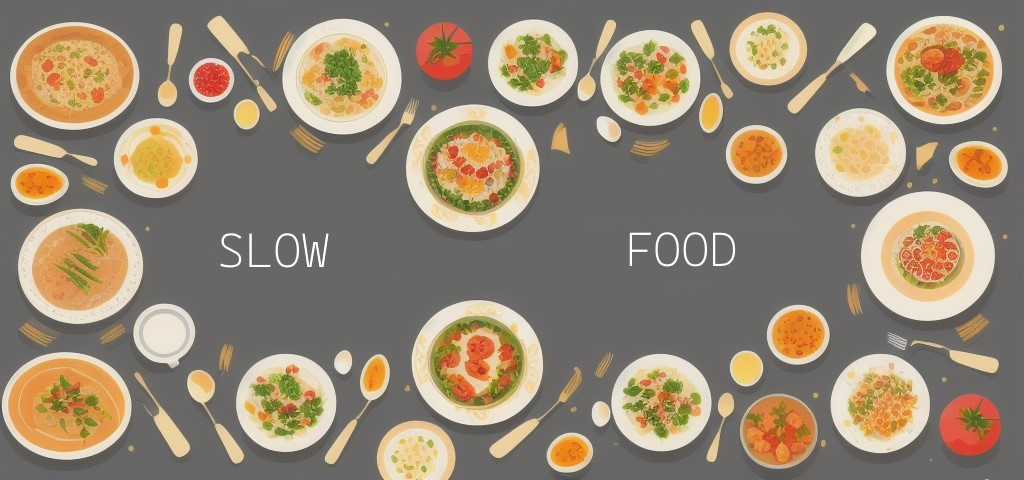
Italy gave the world the Slow Food movement, and I am a little proud of that. Born in 1986 as a reaction to fast food and fast living, it champions meals made with local, quality ingredients, enjoyed slowly and together.
The official Slow Food website shares the movement’s global work, from protecting traditional products to supporting small farmers.
The philosophy is simple: food is pleasure, and pleasure deserves time. When you are in Italy, take your time. Sit down, savor, and let the meal unfold.
Conclusion
Italy captivates with its history, its art, and yes, its unwritten rules. From the quiet etiquette of coffee to the expressive language of hands, each custom is a little window into what Italians truly value: quality, connection, and joy in everyday life.
So when you find yourself in Italy, embrace the pausa pranzo, sip your Spritz, dress with care, and savor every moment. These small habits are the key to feeling the real Italy, not just seeing it.
Buon viaggio! (Have a good journey!)
Want to feel ready before you land? If any of these rules made you curious, or if you simply want to start speaking Italian with confidence, send me a quick message. I would love to help you prepare for your trip, one caffè at a time.