Ciao! Grab a coffee (or a caffè, we’ll get to that) and make yourself comfortable. ☕
I’m Giulia, your Italian teacher. I grew up speaking this language, and now I spend my days helping others fall in love with it too. And there’s one question my students ask me more than any other:
“Giulia, why does Italian sound so… beautiful?”
You know what I mean, right? That melodic quality, the way it seems to dance when people speak it. Like they’re half-singing, half-performing, even when they’re just ordering a cornetto at the bar.
I used to just smile and say “Italians are just passionate people!” But the more I thought about it, really sat with it, the more I realized there’s so much more going on beneath the surface. Centuries of history. A unique sound structure. A culture that wears its heart on its sleeve (and talks with its hands).
So in this post, I want to walk you through what actually makes Italian so captivating. I’ll share my personal take as someone who speaks it every day, and by the end, I think you’ll understand why I believe learning Italian is one of the most rewarding things you can do.
Let’s dive in. Andiamo!
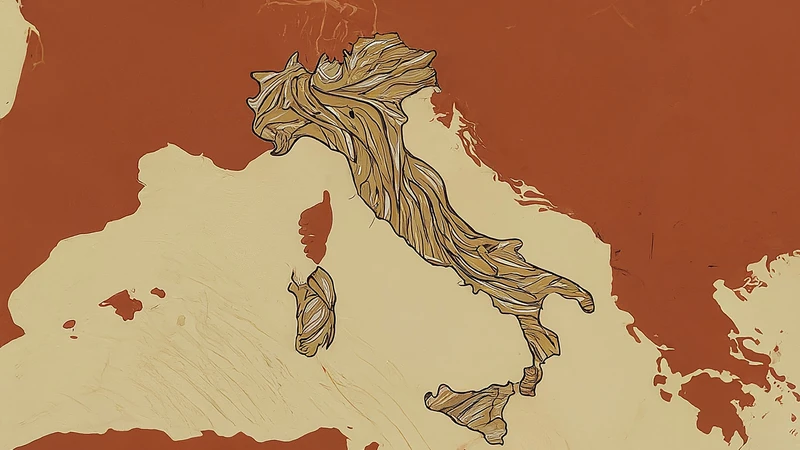
Why Does Italian Sound So Musical? (The Quick Answer)
Before we get into the weeds, here’s the TL;DR, perfect if you just want the headline for a dinner party:
Italian sounds musical because:
- Almost every word ends in a vowel, amore, bellezza, musica. No harsh consonant crashes.
- Syllables are crisp and clear, we pronounce each one distinctly, no mumbling.
- Double consonants create rhythm, that little pause in fatto vs. fato? Pure linguistic percussion.
- Intonation goes up and down like a melody, questions soar, emotions ride the pitch.
But that’s just the sound. The real beauty? It’s what the language carries with it, centuries of art, emotion, and a culture that refuses to be anything less than fully alive.
Now let’s unpack all of that properly.
Where Did Italian Come From? (The Story That Made It This Way)
You don’t need a history degree to appreciate this. But trust me, knowing where Italian came from makes it sound even more beautiful.
It All Started with Vulgar Latin
Italian is a Romance language, a direct descendant of Latin. But not the formal, Cicero-style Latin you’d find in ancient texts. I’m talking about Vulgar Latin: the everyday language that Roman soldiers, merchants, and regular people actually spoke on the streets. It was practical, a little messy, and always evolving.
When the Roman Empire began to crumble around the 5th century, that everyday Latin started splintering across the Italian peninsula. Different regions developed their own flavors, influenced by whoever showed up next, Goths, Lombards, you name it.
A Country of Dialects Before It Was a Country
For centuries, Italy wasn’t a unified nation. It was a collection of city-states, kingdoms, and regions, each with its own language. And I mean language, not just an accent. Someone from Sicily and someone from Venice could barely understand each other.
My own grandparents would sometimes switch into their local dialect when I was a kid. I remember sitting at their kitchen table, watching their faces light up, hearing this completely different rhythm and vocabulary, like they’d stepped into a secret world I wasn’t quite part of yet. Even today, dialects add color and local pride everywhere you go.
Dante Saved Italian (With One Poem)
Here’s my favorite part of the story.
Dante Alighieri, yes, the guy who wrote The Divine Comedy, made a radical choice. Instead of writing his masterpiece in Latin (the “respectable” language for literature at the time), he wrote it in his native Florentine dialect. The everyday language of his city.
It was revolutionary. He proved that ordinary language could carry extraordinary art.
Along with Petrarch and Boccaccio, Dante essentially created a model for what Italian could be. Over time, their Tuscan dialect became the standard that everyone looked up to. The Accademia della Crusca (still alive today, founded in 1583) helped lock it in with dictionaries and grammar rules.
How Italian Actually Spread to Everyone
When Italy finally united in 1861, almost nobody actually spoke “standard Italian.” Most people still used their regional dialects daily. The government pushed Italian through schools and offices, but the real hero?
Radio and television.
Suddenly, everyone across the country was hearing the same pronunciation, the same words, every single day. That did more to unify Italian than any decree ever could.
And today? Italian keeps evolving. We borrow English words like computer and weekend, regional accents still pop through, and the language stays vibrantly alive. But at its core, it’s still the language Dante shaped, a language built from history, poetry, and millions of everyday conversations.
What Gives Italian That Signature Sound?
Okay, let’s get into the nitty-gritty. Here’s what I hear every day as a native speaker.
1. Vowels. So Many Vowels.
Italian loves vowels. Most words end with one. Say these out loud: amore, bellezza, musica, dolcezza. Notice how they glide? There’s no hard stop. Just open, warm sounds that flow into each other.
Compare that to English or German, where words can pile up consonants like a traffic jam. In Italian, the vowels carry the melody. That’s the foundation of our musicality.
2. We Pronounce Every Syllable (Yes, Every One)
English tends to mumble unstressed vowels. The ‘a’ in “about” comes out as a vague uh sound. In Italian? Each syllable gets its moment in the spotlight. Every vowel is clear, every consonant has its place.
This gives Italian a crisp, clean rhythm. It’s one reason Italian pronunciation is actually quite consistent, once you learn the rules, what you see is what you say. No silent letters hiding in corners!
3. Double Consonants Are a Whole Vibe
Here’s a fun one. Italian has double consonants, nonno (grandfather), pizza, cappuccino, and they’re not just for spelling tests. You actually hold the sound longer. It creates a tiny pause, a little rhythmic bump in the word.
Listen to the difference:
- Fato (fate), quick, one ’t’ sound
- Fatto (fact/done), that longer ’t’ changes everything
It’s subtle, but it’s one of those things that makes Italian feel like it has a built-in beat. My students who master this always sound so much more natural. It’s like learning the secret dance step everyone else is missing.
4. We Talk Like Our Emotions Are Driving
Our intonation, the way our voice goes up and down, is expressive. Questions shoot up sharply at the end. Excitement carries the whole sentence higher. Even a casual comment about the weather can sound like a minor opera aria.
I didn’t realize how dramatic I sounded until a student played back a recording of me saying “No, non mi piace il caffè freddo” (No, I don’t like cold coffee). It sounded so exaggerated to my ears, but that’s just how we talk!
Put all of this together, the vowel glide, clear syllables, rhythmic consonants, emotional intonation, and you get a language that honestly sounds like it’s happy to be spoken.
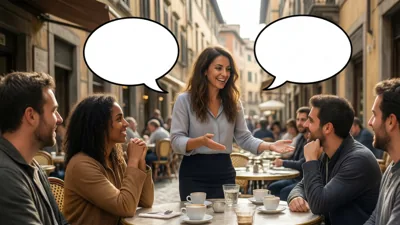
Yes, We Talk With Our Hands. Here’s What It Means.
You can’t talk about Italian without talking about Italian gestures. It’s a stereotype, sure. But stereotypes exist for a reason.
I literally cannot speak without gesturing. I don’t notice I’m doing it. If someone asked me to have a conversation with my hands pinned to my sides, I’d probably short-circuit. It feels like trying to speak with a stuffy nose. technically possible, but deeply unsatisfying.
Gestures add a whole extra layer of meaning. Here are a few you’ll see everywhere in Italy:
- Fingertip kiss (Buono!). Kiss your fingertips, flick them outward. “This food is incredible.”
- Finger purse (Ma che vuoi?). Fingertips together, slight wrist bounce. “What do you want?” or “What are you on about?” Absolute classic.
- Chin flick (Non me ne frega niente). Brush fingers outward from under the chin. “I don’t care.” Very informal, very expressive.
- Hand rub (Perfetto!). Palms together, brisk rub. “Perfect! Done deal!”
- Point below the eye (Occhio!). Tap the skin under your eye. “Watch out. Pay attention.”
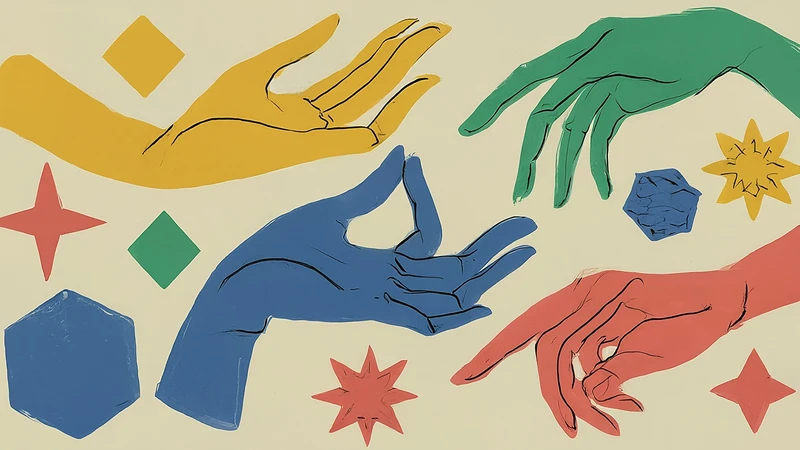
I love watching my students start to pick up these gestures naturally. It’s like watching them become a little more Italian in real time. Suddenly their Italian sounds not just correct, but alive.
Italian Has Words for Feelings English Can’t Quite Capture
This is one of my absolute favorite things about the language.
Italian doesn’t just describe things. It feels them. And sometimes, we have a single word for a feeling that takes English a whole sentence to explain.
Here are some of my favorites:
- Sprezzatura. Making something difficult look effortlessly easy. A kind of cool, nonchalant mastery. Very Renaissance, very Italian.
- Meriggiare. To rest in the shade during the hottest part of the afternoon. Isn’t that just a beautiful concept?
- Culaccino. The wet ring a cold glass leaves on a table. Not a deep philosophical word, but we have it anyway. Because details matter.
And then there are the idioms. Oh, the idioms.
- In bocca al lupo!. “In the wolf’s mouth!” (Good luck!) The reply? Crepi il lupo!. “May the wolf die!” Dramatic, yes. Effective, absolutely.
- Non vedo l’ora. “I don’t see the hour.” It just means “I can’t wait,” but the imagery is more poetic, right?
- Acqua in bocca!. “Water in the mouth!” Keep it a secret. Zip it.
- Fare la scarpetta. “Make the little shoe.” Using bread to mop up every last bit of sauce from your plate. This is practically a sacred ritual in my house.
Every time I discover a new expression, it feels like finding a hidden room in a house I’ve lived in my whole life. The language is endlessly deep.
Learning Italian Is Your Ticket Into a Whole World
Here’s the thing I want you to really understand. Learning Italian isn’t about memorizing verb tables (though, yes, you’ll do some of that). It’s about accessing a world that’s been calling to you.
- Art. Walk through the Uffizi and read the descriptions in Italian. Suddenly, you’re not just looking. You’re understanding.
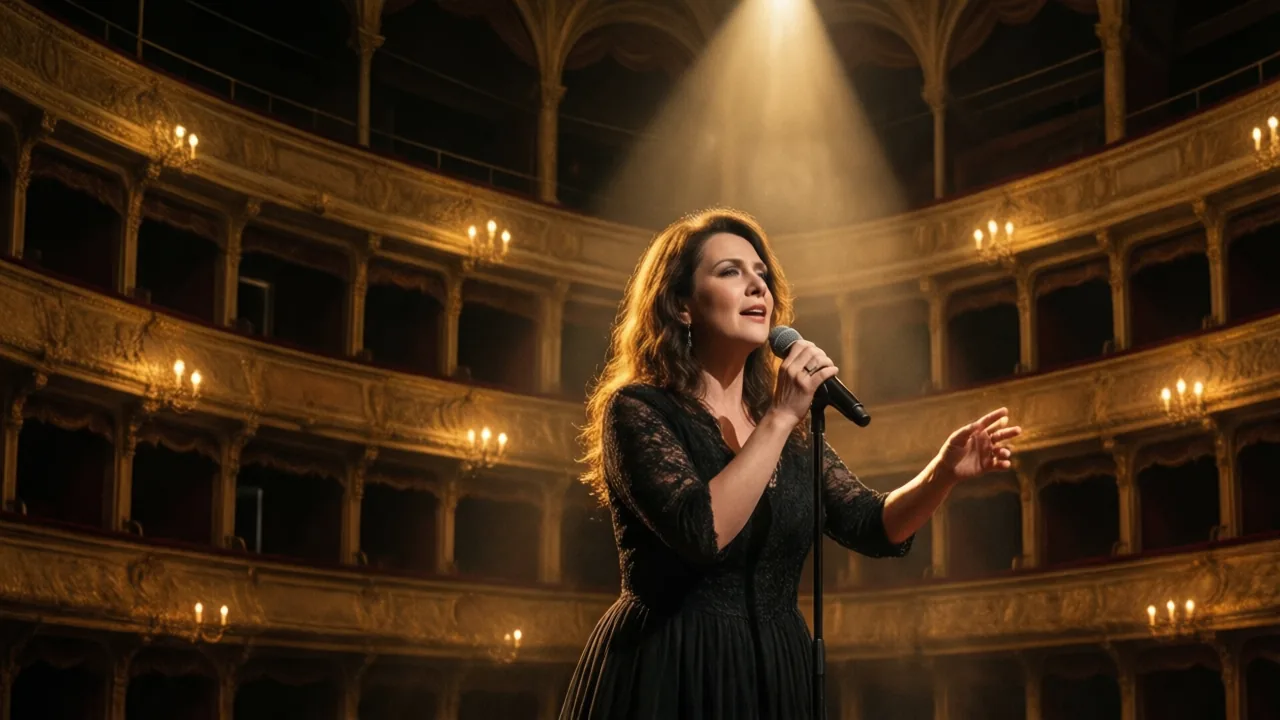
- Music. Opera is born in Italian. But even modern pop hits hit differently when you catch the lyrics without subtitles.
- Film. Fellini. Sorrentino. The first time I watched La Dolce Vita without subtitles, I felt like I was watching a completely different movie. The jokes. The sighs. The pauses. It all makes sense in the original.
- Food. Reading a menu in Italian isn’t practical. It’s a doorway. The difference between pasta alla carbonara from a tourist menu and the real, proper version from a local trattoria? Language gets you the real thing.
- Connection. Over 60 million people speak Italian. When you try, even just a little, Italians light up. I’ve watched it happen hundreds of times with my students. A simple Buongiorno! can turn a transaction into a conversation.
Is Italian Hard to Learn? Let Me Be Honest.
You’re probably wondering. So let me give it to you straight.
Italian has some genuinely tricky parts, looking at you, congiuntivo (the subjunctive mood). And yes, speaking fluently takes consistent practice. But here’s the good news:
- Pronunciation is consistent. Unlike English, Italian spelling is almost perfectly phonetic. Once you learn the rules, you can read almost anything aloud.
- Grammar is logical. Yes, there are exceptions. But the structure makes sense. It’s a language that rewards patience.
- And honestly? It’s fun to speak. Making those sounds, using the gestures, feeling the emotion in your voice, it just feels good. Learning Italian isn’t a chore. It’s an enjoyable experience.
So What Makes Italian Beautiful? My Honest Conclusion
If you’ve made it this far, here’s what I really want you to take away.
Italian isn’t beautiful just because of its vowel sounds or its hand gestures or its literary history. It’s beautiful because of everything together, the music in its syllables, the passion in its culture, the way it connects you to art, food, family, and feeling.
For me, Italian isn’t just the language I happen to speak and teach. It’s woven into who I am. And sharing it with my students, watching their eyes light up when they nail a pronunciation, or tell a joke in Italian, or order their first meal in Rome without hesitation, that’s genuinely one of the best parts of my life.
Italian is a language that sings. And I’d love to help you learn to sing along.
Ready to Start Your Italian Journey?
Here’s the thing, you don’t need to be “ready” to be fluent. You just need to be curious enough to take the first small step.
I’ve put together a free 10-lesson Italian crash course that walks you through the basics in a fun, no-pressure way. No grammar drills. Just real, useful Italian that you can start using immediately.
Thousands of students have started there. Maybe you’ll be next?
And if you’d rather jump straight into 1-on-1 lessons with me, where we can focus on exactly what you need, let’s talk. I’d love to hear where you’re starting from and where you want to go.
Ti aspetto! (I’m waiting for you!) 🇮🇹
More Articles You Might Enjoy
- Italian Dialects: More Than Just Accents!
- 10 Hilarious Italian Animal Idioms (And What They Actually Mean)
- Simple Italian Movies for A1 Beginners: My Teacher’s Guide