What You'll Learn
- The exact phrases to order food in Italian, from drinks to dessert
- How to sound polite with the conditional mood (Vorrei, Potrebbe)
- How to read an Italian menu: antipasti, primi, secondi, contorni
- The unwritten dining rules Italians live by, from coperto to coffee
- A real restaurant dialogue you can reuse on your next trip
In This Guide
Ciao! I’m Giulia, your native Italian guide here at Italianlesson.online. One of the greatest joys of visiting Italy, or even of finding an authentic Italian restaurant abroad, is the food. But I get it: the idea of reading a menu in Italian and ordering can feel a little intimidating. Over the years I’ve watched many students freeze at that moment, worried they’ll say the wrong thing or miss what the waiter is asking.
Here’s the thing: it’s easier than you think, and the effort makes all the difference. Ordering in Italian shows respect for the culture, and Italians genuinely appreciate it. You’ll stop feeling like a tourist fumbling with a phrasebook. My goal in this guide is to give you the exact phrases, the grammar you actually need, and the confidence to order food in Italian naturally.
We’ll walk through a real restaurant dialogue, break down the Italian phrases and grammar you’ll meet along the way (explained simply, I promise), teach you how to read an Italian menu, and share the cultural habits that make dining in Italy so special. By the end, you’ll feel ready and excited for your next Italian meal. Let’s get started!

Setting the Scene: A Typical Restaurant Dialogue
Imagine you’ve just walked into a lovely trattoria. The smell of garlic, tomatoes, and maybe roasting meat fills the air. A waiter approaches. Here’s how a typical conversation might go. I’ll use ‘C’ for Customer (Cliente) and ‘W’ for Waiter (Cameriere/a).
C: Buongiorno! Avremmo un tavolo per due persone, per favore? (Good morning! Could we have a table for two people, please?)
Note: Using “Avremmo” (conditional of ‘avere’, to have) or “Vorremmo” (conditional of ‘volere’, to want) sounds more polite than a plain “Abbiamo?” or “Vogliamo”.
W: Certamente, signori. Da questa parte, prego. Accomodatevi pure. (Certainly, sir and madam. This way, please. Make yourselves comfortable.)
[The waiter leads the customers to a table.]
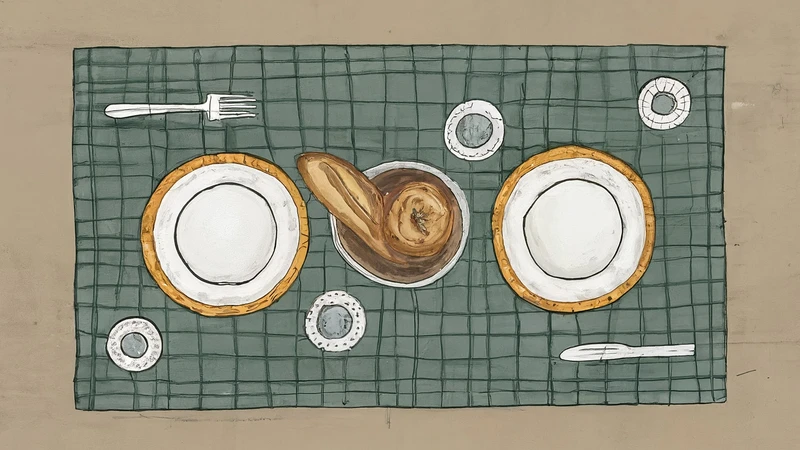
C: Grazie mille. Potrebbe portarci i menu, per favore? (Thank you very much. Could you bring us the menus, please?)
Note: “Potrebbe” (conditional of ‘potere’, to be able) is another polite way to make requests.
W: Ecco a voi. Desiderano ordinare qualcosa da bere intanto? Magari un aperitivo? (Here you are. Would you like something to drink while you look? Maybe an aperitif?)
C: Sì, grazie. Per me un bicchiere di vino bianco della casa, e per lei un’acqua frizzante. (Yes, thank you. For me, a glass of the house white wine, and for her, sparkling water.)
Tip: “Della casa” means ‘house wine or house dish’, and it’s usually a reliable, affordable pick. “Acqua frizzante” is sparkling water; “acqua naturale” or “liscia” is still water.
W: Benissimo. Allora, un bianco e un’acqua frizzante. Vi lascio consultare il menu. Sono subito da voi per l’ordine. (Very well. So, one white wine and one sparkling water. I’ll let you look at the menu and I’ll be right back for your order.)
[A few minutes later…]
W: Allora, avete deciso? Posso prendere l’ordinazione? (So, have you decided? Can I take your order?)
C: Sì. Allora, come antipasto prenderemmo la bruschetta al pomodoro da dividere. (Yes. So, to start we’ll have the tomato bruschetta to share.)
Note: “Prenderemmo” (conditional of ‘prendere’, to take or have) is polite. You can also say “Prendiamo” in the present tense, which is common and perfectly fine. “Da dividere” means ’to share’.
W: Va bene. E come primo piatto? (Okay. And for the first course?)
C: Per me, le tagliatelle al ragù, per favore. Mia moglie invece è indecisa tra gli gnocchi al gorgonzola e i ravioli ricotta e spinaci. Lei cosa consiglia? (For me, the tagliatelle with meat sauce, please. My wife, on the other hand, is torn between the gorgonzola gnocchi and the ricotta and spinach ravioli. What do you recommend?)
Asking for recommendations: “Lei cosa consiglia?” (What do you recommend?) is the phrase you’ll use again and again.
W: Sono entrambi ottimi, signora. Gli gnocchi sono fatti in casa, molto delicati, e il gorgonzola è dolce, non troppo forte. I ravioli sono un classico, sempre buoni. Forse gli gnocchi sono un po’ più particolari se vuole provare qualcosa di tipico nostro. (They’re both excellent, madam. The gnocchi are homemade and very delicate, and the gorgonzola is sweet, not too strong. The ravioli are a classic and always good. Maybe the gnocchi are a bit more special if you want to try something typical of ours.)
C (Wife): Allora proverò gli gnocchi, grazie! (Then I’ll try the gnocchi, thank you!)
W: Perfetto. E come secondo? (Perfect. And for the main course?)
C: Io prendo la scaloppina al limone. Viene servita con un contorno? (I’ll have the lemon veal escalope. Does it come with a side dish?)
Asking about sides: “Viene servito/a con un contorno?” (Does it come with a side dish?) matters, because contorni (side dishes) are usually ordered separately in Italy.
W: No, il contorno è a parte. Abbiamo patate al forno, verdure grigliate, spinaci saltati… (No, the side dish is separate. We have roast potatoes, grilled vegetables, sautéed spinach…)
C: Allora aggiungerei le patate al forno, per favore. Mia moglie per secondo non prende niente, grazie. (Then I’ll add the roast potatoes, please. My wife won’t have a main course, thank you.)
Skipping a course: It’s perfectly fine to skip courses! “Non prendo niente” (I’m not having anything) works well.
W: Va benissimo. E da bere, oltre all’acqua e al vino bianco, desiderate altro? Magari un vino rosso per accompagnare la carne? (Very well. And to drink, besides the water and white wine, would you like anything else? Maybe a red wine to go with the meat?)
C: Per ora va bene così, grazie. (For now, this is fine, thank you.)
W: Ottimo. Ricapitolando: una bruschetta da dividere, una tagliatella al ragù, gnocchi al gorgonzola, una scaloppina al limone con patate al forno. Corretto? (Excellent. To recap: one bruschetta to share, tagliatelle bolognese, gorgonzola gnocchi, and a lemon escalope with roast potatoes. Correct?)
Confirmation: Good waiters repeat your order, so listen carefully to make sure it’s right. “Corretto?” (Correct?)
C: Sì, perfetto. Grazie. (Yes, perfect. Thank you.)
W: Prego! (You’re welcome!)
Want to Practice This Dialogue?
Grab my free 10-lesson Italian crash course. You'll learn the essential phrases for travel and real conversations, made for beginners, and you can start right away with no pressure.
Key Italian Grammar Points for Ordering Food
Now let’s unpack the grammar you just saw. Don’t worry, I’ll keep it practical and focused on what you actually need in a restaurant.
1. Politeness Is Key: The Conditional Mood
You probably noticed words like Vorrei (I would like), Potrebbe (could you?), Prenderemmo (we would take or have), and Avremmo (we would have). These all come from the conditional mood (il condizionale).
Why bother? In Italian, the conditional is the standard way to make polite requests. You can use the present tense, like “Voglio un caffè” (I want a coffee), but it can sound blunt, even demanding, especially with staff you don’t know.

- Instead of:
Voglio un tavolo.(I want a table.) Use:Vorrei un tavolo.(I would like a table.) - Instead of:
Puoi portarmi il menu?(Can you bring me the menu, informal ‘you’.) Use:Potrebbe portarmi il menu?(Could you bring me the menu, formal ‘you’.) - Instead of:
Prendo la pasta.(I’ll have the pasta.) Use:Prenderei la pasta.(I would have the pasta.) Or simplyPrendo la pasta, which is also very common and natural when ordering.
Think of the conditional as a layer of courtesy. It’s not required every time, especially for simple things, but it’s always appreciated, and it makes you sound more fluent and considerate.
2. Choosing Your Verb: Prendere, Volere, Ordinare
When you’re ready to say what you want, you have a few options:
- Prendere (to take or to have): The most common and versatile verb for ordering.
Prendo la pizza margherita.(I’ll have the margherita pizza.)Prendiamo due caffè.(We’ll have two coffees.)Cosa prendi?(What are you having?)
- Volere (to want): Use the conditional
Vorreifor politeness.Vorrei un bicchiere d'acqua.(I would like a glass of water.)Vorremmo ordinare.(We would like to order.)
- Ordinare (to order): A little more formal, but perfectly fine.
Ordino gli spaghetti alla carbonara.(I’ll order the spaghetti carbonara.)Possiamo ordinare?(Can we order?)
My advice? Stick with prendere (the present tense prendo or prendiamo is fine) or the conditional vorrei or vorremmo. They sound natural, and locals use them all the time.
3. Articles and Nouns: Getting Gender and Number Right
Italian nouns have a gender (masculine or feminine) and a number (singular or plural), and this affects the articles (like ’the’ and ‘a’) and adjectives you use.
Il / Lo / L’ (masculine singular ’the’):
il vino(the wine),lo spumante(the sparkling wine),l'antipasto(the appetizer)La / L’ (feminine singular ’the’):
la pasta,l'acqua(the water)I / Gli (masculine plural ’the’):
i ravioli,gli gnocchiLe (feminine plural ’the’):
le pizze,le patateUn / Uno (masculine singular ‘a’):
un caffè,uno spritzUna / Un’ (feminine singular ‘a’):
una birra(a beer),un'aranciata(an orange soda)
Don’t stress too much about getting this perfect every time, especially at the start. People will usually understand you. But matching articles to nouns, like un caffè instead of una caffè, makes your Italian sound much better. And here’s a trick: the menu itself often shows you the correct article!
4. Asking Questions: Cosa, Quale, Come
You’ll need a few question words:
- Cosa…? (What…?)
Cosa consiglia?(What do you recommend?)Cos'è questo piatto?(What is this dish?)
- Quale…? (Which…?)
Quale vino rosso avete?(Which red wine do you have?)
- Come…? (How…?)
Com'è la lasagna?(What’s the lasagna like?)
- Posso…? / Possiamo…? (Can I…? / Can we…?)
Posso avere il conto?(Can I have the bill?)Possiamo sederci qui?(Can we sit here?)
These are your best friends for clarifying dishes on the menu or making specific requests.
Decoding the Italian Menu: More Than Just a List of Food
An Italian menu usually follows the structure of a traditional meal. Once you understand this, you’ll know exactly where to look for what you want.
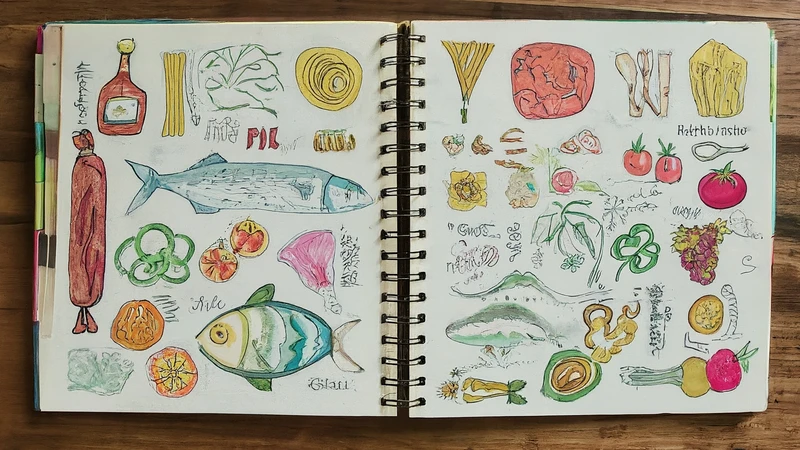
Here’s a typical breakdown:
- Antipasti (Appetizers): These starters get your appetite going. Think bruschetta (toasted bread with toppings), prosciutto e melone (ham and melon), caprese (mozzarella, tomato, and basil), boards of cured meats (salumi) or cheeses (formaggi), and sometimes seafood like insalata di mare (seafood salad).
- Primi Piatti (First Courses): This is where pasta, risotto, gnocchi, and soups (zuppe) live. It’s the carbohydrate course, and it’s full of regional shapes and sauces. Examples: spaghetti alla carbonara, risotto ai funghi (mushroom risotto), lasagne al forno, minestrone (vegetable soup).
- Secondi Piatti (Main Courses): The protein course: meat (carne), poultry (pollame), or fish (pesce). Examples: bistecca alla fiorentina (Florentine steak), pollo arrosto (roast chicken), pesce spada alla griglia (grilled swordfish), scaloppine (thin veal cutlets), fritto misto (mixed fried seafood and vegetables).
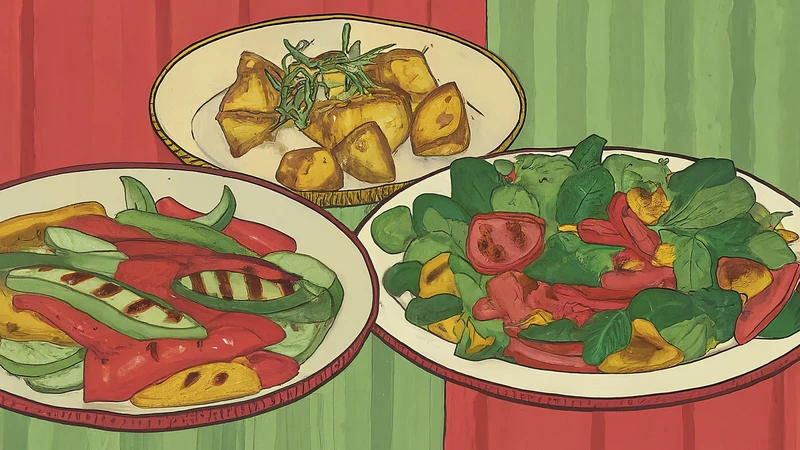
- Contorni (Side Dishes): Unlike in some countries, main courses in Italy often don’t come with sides automatically. You usually order them separately here. Common picks: patate al forno (roast potatoes), patatine fritte (fries), insalata mista (mixed salad), verdure grigliate (grilled vegetables), spinaci al burro (spinach with butter).
![Whimsical illustration of Italian side dishes: roasted potatoes, grilled vegetables, salad]()
- Dolci (Desserts): Time for something sweet. Classics include tiramisù, panna cotta, torta della nonna (a custard tart), gelato, and macedonia di frutta (fruit salad).
- Bevande (Drinks): Water (acqua naturale or frizzante), wine (vino bianco, rosso, rosato), beer (birra), and soft drinks (bibite like coca-cola or aranciata).
- Caffè e Digestivi (Coffee and Digestifs): Meals often end with coffee (usually an espresso, so just ask for un caffè) and maybe a digestif like limoncello, grappa, or amaro. One note: a cappuccino after lunch or dinner is considered unusual in Italy. It’s strictly a breakfast drink for us. If you want the full story, my guide to Italian breakfast and coffee has you covered.
Important Menu Terms:
- Coperto: A small cover charge per person, usually listed on the menu. It covers the bread, olive oil, and table setting. It’s standard practice in Italy, so don’t be surprised to see it.
- Servizio: Service charge. Sometimes it’s included (servizio incluso), sometimes not. When it’s not, tipping isn’t required, though leaving a small amount for good service is appreciated (and nowhere near the 15 to 20 percent common in the US).
- Del giorno: ‘Of the day’, as in specials.
Piatto del giornomeans ‘dish of the day’. - Fatto in casa / Nostra produzione: Homemade or our own production. Usually a great sign!
- Allergeni: Allergens. Menus list common allergens more and more. If you have allergies, learn the key phrases below.
What Makes Italian Dining Culture Special?
Ordering food is just part of the experience. Dining in Italy is deeply cultural, and as a native, here are a few things I think really set it apart:
- Ingredients Matter: Italians are serious about fresh, seasonal, high-quality ingredients, and there’s a huge focus on regionality. What you eat in Sicily will be vastly different from what you eat in Piedmont. Restaurants take pride in sourcing locally (chilometro zero, zero kilometer) when they can. It’s less about complicated techniques and more about letting simple, great ingredients shine. For a deeper dive into real Italian food, the Wikipedia overview of Italian cuisine is a wonderful place to start.
- The Structure of the Meal: The multi-course flow (antipasto, primo, secondo, dolce) isn’t a demand; it’s how a traditional meal unfolds. You absolutely don’t have to order every course. Many Italians have just an antipasto and a primo, or a primo and a secondo. Understanding the flow simply helps you plan.
- It’s a Social Ritual: Meals are rarely rushed. Dinner, especially, is a time to relax, talk, and enjoy the company. Expect restaurants to fill up later in the evening (8 PM onward is common) and for meals to stretch out. It’s not about quick turnover; it’s about la dolce vita, enjoying the good things in life, like food and conversation.
- Simplicity Reigns: Sure, there are complex dishes, but much of the best Italian food is surprisingly simple. Think cacio e pepe (pasta with cheese and pepper) or a perfectly grilled fish with lemon and olive oil. The skill is in nailing that simplicity with the best ingredients.
- Wine Is Food: Wine isn’t just a drink in Italy; it’s part of the meal. Regional wines often pair with regional dishes. Don’t be shy about asking for a recommendation (
Cosa mi consiglia con questo piatto?, what do you recommend with this dish?), or just order the vino della casa (house wine), which is often local and very good.
Practical Tips for a Smooth Experience
Alright, let’s get to some practical, day-of tips:
- Getting Attention: To call the waiter, start with eye contact. If you need more, a polite “Scusi!” (excuse me!) works well. Avoid loud shouting or snapping fingers; Italians consider that rude.
- Asking for the Bill: When you’re ready to leave, say “Il conto, per favore” (the bill, please).
- Paying: You’ll usually pay at the table. Credit cards are widely accepted in most restaurants, but it’s good to keep some cash on hand, especially in smaller towns and casual trattorie.
- Tipping: As mentioned, with the coperto and sometimes servizio incluso, tipping isn’t obligatory the way it is in the US. If service was great, leaving a few extra euros on the table (lasciare la mancia) is a kind gesture, not an expectation.
![Whimsical illustration combining espresso cup, 'delicious' hand gesture, and tip jar]()
- Dietary Needs:
Sono vegetariano/a.(I am vegetarian.)Sono vegano/a.(I am vegan.)Sono celiaco/a.(I am celiac.) /Ho bisogno di cibo senza glutine.(I need gluten-free food.)Sono allergico/a a...(I am allergic to…) followed by the ingredient, likealle noci(nuts),ai latticini(dairy), orai crostacei(shellfish). Being clear about allergies is really important.
- Water: Remember to say frizzante (sparkling) or naturale or liscia (still). Tap water (
acqua del rubinetto) isn’t usually served unless you ask, and even then, bottled water is the norm in restaurants. - Different Eateries: Italy has different kinds of places to eat, and each has its own vibe:
- Ristorante: More formal, usually with a wider menu and higher prices.
- Trattoria: Traditionally family-owned and rustic, serving local, home-style cooking. Often great value.
- Osteria: Historically simpler than a trattoria and focused on wine with a few basic dishes, though the word is used loosely today.
- Pizzeria: Pizza specialist, obviously.
- Bar: The heart of Italian social life. Stop by for caffè (espresso), cappuccino (morning only), pastries (paste or cornetti), sandwiches (panini), and aperitivi in the early evening.
Ready to Order? Buon Appetito!
Whew, that was a lot! But breaking it down this way makes ordering food in Italian feel much more manageable. The three pillars are politeness (use that conditional), knowing the menu structure, and being willing to ask questions.
Dining in Italy is such a core part of the culture. When you use a few Italian phrases, you’re not just ordering food; you’re joining that culture. Italians love sharing their food traditions, and any effort you make will be met with warmth.
So study the phrases, get familiar with the menu sections, and above all, be brave. The worst that can happen is a small misunderstanding that’s easily fixed. The best is a delicious meal and a memory you’ll keep.
In bocca al lupo (good luck) with your next Italian dining adventure!
Keep learning: if this guide clicked with you, you’ll probably enjoy my essential Italian phrases for travelers too. And to build the grammar underneath these phrases, start with my A1 beginner level guide or, if you already know the basics, my A2 elementary level guide.