Ciao! I’m Giulia, and as an Italian native and language teacher, I want to talk about something truly close to our hearts: coffee. Or as we say, il caffè.
You might think you know coffee, but in Italy, it’s much more than just a hot drink to wake you up. It’s a fundamental part of our day, a social ritual, a moment to pause, and yes, sometimes a quick necessity. Forget the giant mugs and endless flavour combinations you might see elsewhere. Italian coffee culture is about simplicity, quality, and specific moments. 
For us Italians, starting the day without coffee is almost unthinkable. But it doesn’t stop there. Coffee marks different points in our day, acting like punctuation in our daily lives. It’s a culture shock for many visitors – the speed, the rules (yes, there are unwritten rules!), the sheer importance of this little cup.
So, let’s explore the real Italian coffee ritual, how we drink it, when we drink it, and what makes it so special. This isn’t just about ordering a drink; it’s about understanding a piece of Italian identity.
The Italian Bar: The Heart of the Ritual
First things first: when we talk about getting coffee out, we go to a bar. Now, an Italian bar isn’t necessarily a place you go for alcoholic drinks in the evening (though many serve those too, especially for aperitivo). Primarily, an Italian bar is where you go for caffè, pastries (paste or cornetti), maybe a quick sandwich (panino), or a non-alcoholic drink (analcolico). 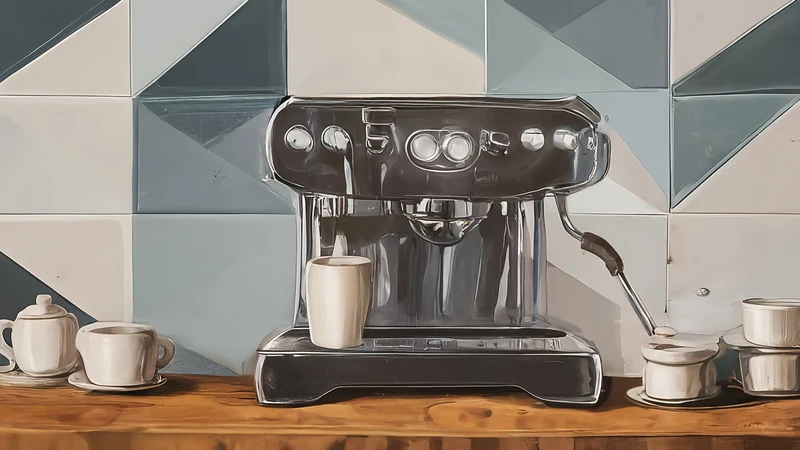
You’ll find bars everywhere – on busy city streets, tucked away in small alleys, in train stations, even in tiny villages. They often open very early, sometimes before sunrise, to catch the first wave of workers needing their morning espresso.
Standing Room Only: Coffee “al Banco”
One of the first things you’ll notice is that most Italians drink their coffee standing up al banco (at the counter). This is the quickest, cheapest, and most traditional way. You walk in, you often pay first at the cash register (la cassa), get your receipt (lo scontrino), then take it to the counter and tell the barista what you want. 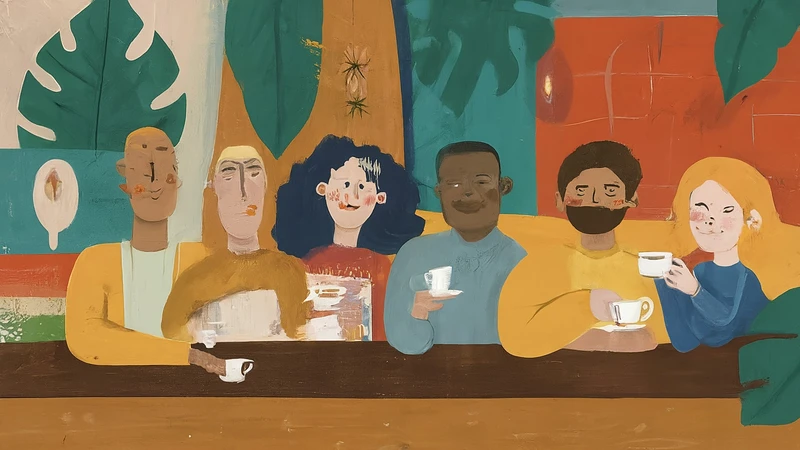
Ordering “un caffè” usually means you want a single shot of espresso. It arrives in a small, often pre-heated porcelain cup. You drink it quickly, maybe in two or three sips, perhaps exchange a quick word with the barista or the person next to you, and then you’re on your way. The whole process might take less than five minutes.
Why stand? It’s faster, it encourages a quick turnover, and importantly, it’s usually cheaper. If you sit down at a table (al tavolo), especially in tourist areas, be prepared to pay more, sometimes significantly more, for table service (servizio al tavolo). Standing al banco is the everyday Italian way.
The barista is a key figure. They often know their regulars, remembering their usual orders. They work fast, handling the big, shiny espresso machine with practiced ease, pulling shots, steaming milk, and keeping the counter clean, all while managing multiple orders. It’s quite a performance to watch.
When Do Italians Drink Coffee? Timing is Everything
The timing of coffee is crucial in Italy. It’s not an all-day-long, giant-cup affair.
Morning Coffee: The Awakening
The day absolutely starts with coffee. At home, this is often made with a Moka pot (more on that later) and might be accompanied by breakfast – maybe biscuits (biscotti) or fette biscottate (rusks) with jam.
Many Italians also grab their first coffee of the day at a bar on their way to work. This is often a quick espresso al banco or, importantly, a cappuccino.
The Cappuccino Rule (Kind Of)
Ah, the cappuccino. That perfect blend of espresso, steamed milk, and foam. Here’s the thing: Italians generally only drink cappuccino (or other milky coffees like caffè latte or latte macchiato) in the morning. Usually before 11 am. 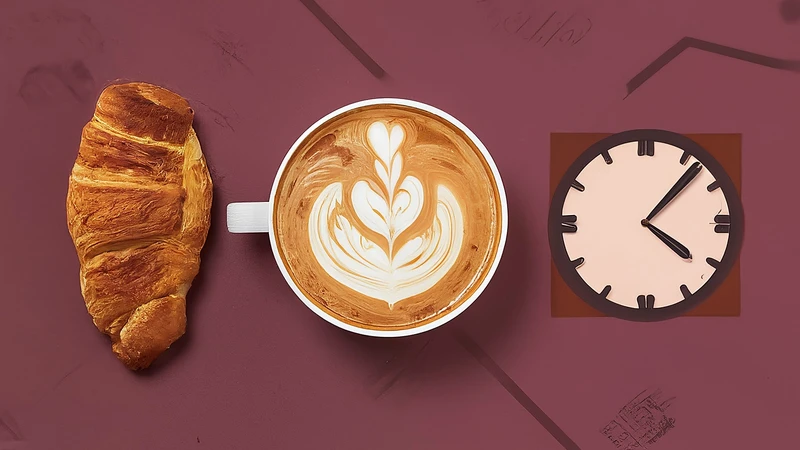
Why? The common belief is that drinking milk after a meal, especially lunch or dinner, upsets digestion. Ordering a cappuccino after lunch or, heaven forbid, after dinner, is one of the quickest ways to signal you’re a tourist. It’s not forbidden, of course – you can order whatever you like! But it’s definitely not the local custom. I remember seeing the surprised look on a barista’s face when a tourist ordered a cappuccino after a large pasta lunch. He made it, of course, but with a slight smile.
So, morning is prime time for cappuccino, often paired with a cornetto (the Italian version of a croissant, sometimes plain, sometimes filled with cream, jam, or chocolate).
Mid-Morning Coffee: A Little Pause
Around 10:30 or 11:00 am, some might take a short break for another coffee, usually a quick espresso. This is just a little pause during the workday or morning activities.
After Lunch Coffee: The Digestive Aid
Coffee after lunch (dopo pranzo) is practically mandatory for many Italians. This is almost always an espresso. It’s seen as helping with digestion and combating the sleepiness that can follow a meal. Again, this is usually taken quickly, often back at the bar near the workplace or restaurant, or at home if people go home for lunch. You wouldn’t typically have a milky coffee at this time.
Afternoon Coffee: A Pick-Me-Up (Sometimes)
An afternoon coffee isn’t as standard as the morning or after-lunch ones, but it happens. If someone feels tired in the late afternoon, they might have another espresso to get them through the rest of the day.
Coffee After Dinner?
Yes, sometimes Italians drink coffee after dinner, especially if they’re out with friends or have guests over. Again, this would be an espresso. Some might opt for a caffè corretto (espresso “corrected” with a drop of liqueur like Grappa or Sambuca) or a decaffeinated coffee (decaffeinato or “dek”).
Types of Italian Coffee: Beyond Espresso
While espresso is the foundation, there are several variations you’ll find in any Italian bar. Knowing them can help you order exactly what you feel like.
Espresso (or Caffè Normale)
This is the default. “Un caffè, per favore.” gets you a single shot (about 25-30ml) of strong, concentrated coffee with a rich brown foam on top called crema. The crema is important; it shows the coffee was made correctly with fresh beans and the right pressure. It should be thick enough to support a spoonful of sugar for a second or two before it sinks. 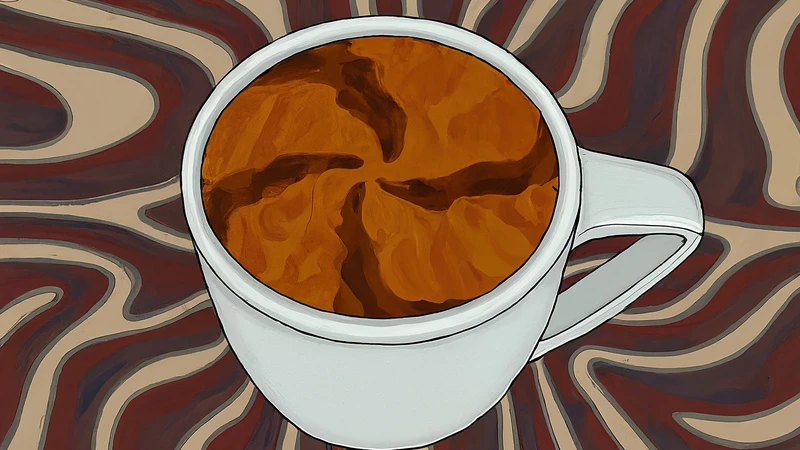
Caffè Doppio
A double espresso. Stronger and more volume. Not as common for Italians as a single shot, but available if you need an extra kick.
Caffè Ristretto
A “restricted” espresso. It uses the same amount of coffee grounds but less water is forced through, resulting in a shorter, even more concentrated, and intense shot. It’s for those who love a powerful coffee flavour.
Caffè Lungo
A “long” espresso. Same amount of coffee grounds, but more water is passed through. It’s slightly weaker and more diluted than a standard espresso, filling the cup a bit more.
Caffè Macchiato
This means “stained” or “marked” coffee. It’s an espresso with just a dollop of foamed milk on top. You can ask for macchiato caldo (hot milk foam) or sometimes macchiato freddo (a drop of cold milk). It’s a good option if you find straight espresso a bit too intense but don’t want a full milky coffee. People might drink this at any time, even after lunch, as the amount of milk is tiny.
Cappuccino
The famous one. Roughly equal parts espresso, steamed milk, and foamed milk, served in a larger cup than an espresso. Remember, generally a morning drink in Italy! Good cappuccino should have velvety smooth foam (microfoam), not stiff, dry bubbles. Often served sprinkled with cocoa powder (cacao) or cinnamon (cannella), though purists might prefer it without.
Caffè Latte
Often confused with cappuccino by foreigners. Caffè latte has more steamed milk and less foam than a cappuccino. It’s served in a tall glass. Be careful: ordering just “latte” in Italy will get you a glass of milk! You need to say “caffè latte”. Also primarily a morning drink.
Latte Macchiato
“Stained milk.” This is the opposite of caffè macchiato. It’s mostly steamed milk in a tall glass, “stained” with a shot of espresso poured in gently, often creating layers. Another morning option.
Caffè Corretto
Espresso “corrected” with a small amount of alcohol. Common choices include grappa, sambuca (anise-flavoured liqueur), or brandy. Usually enjoyed after a meal.
Caffè Shakerato
A perfect summer drink! Espresso shaken with ice and sugar (or liquid sugar) in a cocktail shaker until frothy, then strained into a chilled glass, often a martini or flute glass. It’s cold, refreshing, and elegant. 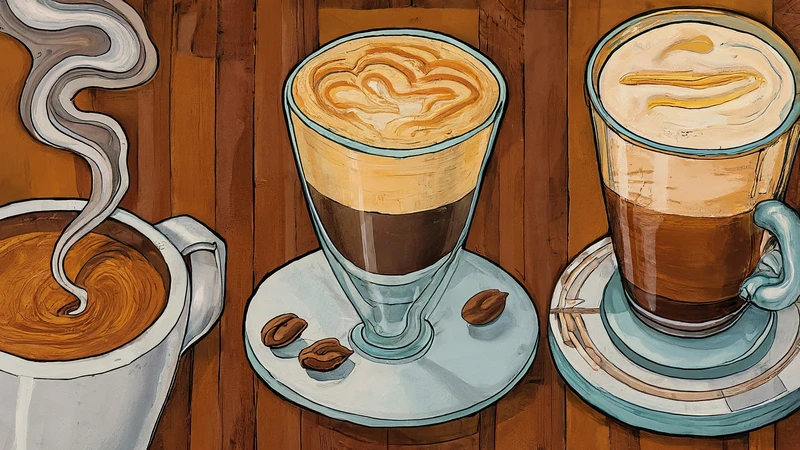
Caffè Ginseng
A more recent trend, but quite popular now. It’s an instant coffee drink made with ginseng extract, usually sweeter and creamier than regular coffee. Seen as having energizing properties.
Caffè d’Orzo
Barley coffee. This is a caffeine-free alternative made from roasted barley. It has an earthy, slightly bitter taste. A good option if you want the ritual of coffee without the caffeine.
Caffè Decaffeinato (“Dek”)
Decaf espresso. Most bars offer it, using separate grinder sections or pre-ground decaf coffee. Just ask for “un caffè dek”.
How to Order Coffee Like an Italian
Ordering coffee is usually straightforward. Here are some key phrases:
- “Un caffè, per favore.” (An espresso, please.) - The standard.
- “Un cappuccino, per favore.” (A cappuccino, please.) - Remember, morning!
- “Un caffè macchiato caldo/freddo, per favore.” (An espresso with hot/cold milk foam, please.)
- “Vorrei un caffè lungo.” (I would like a long espresso.) - Vorrei (I would like) is a polite way to order.
- “Prendo un decaffeinato.” (I’ll have a decaf.) - Prendo (I take/I’ll have) is common.
- “Posso avere un bicchiere d’acqua?” (Can I have a glass of water?) - Often, a small glass of water is served with espresso to cleanse the palate before drinking the coffee. Sometimes you have to ask for it.
- “Quanto costa?” (How much does it cost?) - If you’re unsure.
- “Ecco lo scontrino.” (Here is the receipt.) - Handing it to the barista.
Remember the process: usually pay first at the cassa, get the scontrino, then order al banco. Sometimes in smaller bars, you might pay after drinking, but paying first is common, especially in cities.
The Moka Pot: Coffee at Home
While the bar is central to the public coffee ritual, coffee at home is just as important. And the undisputed king of Italian home coffee is the Moka pot (or la Moka). 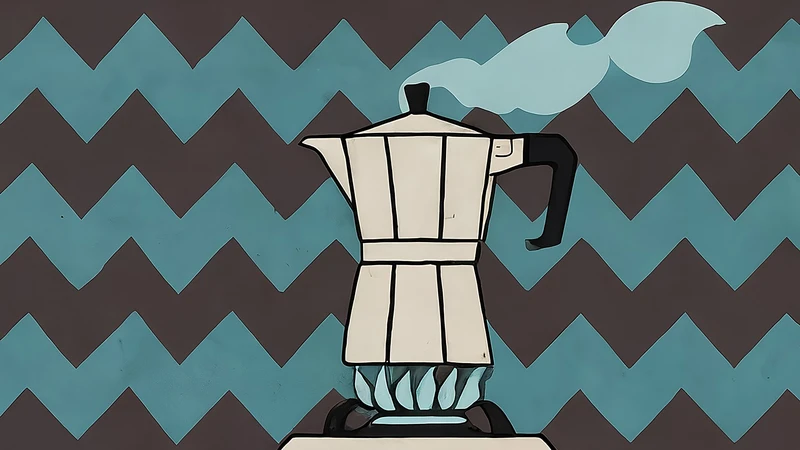
Invented by Alfonso Bialetti in the 1930s, this iconic stovetop percolator is found in almost every Italian kitchen. It’s an ingenious design made of aluminum, usually in three parts: a bottom chamber for water, a filter funnel for ground coffee, and a top chamber where the brewed coffee collects.
Making coffee with a Moka is a ritual in itself:
- Fill the bottom chamber with cold water, usually up to the safety valve.
- Fill the funnel with ground coffee – specifically ground for Moka pots, not too fine like espresso. Don’t pack it down tightly like for an espresso machine; just level it off.
- Screw the top chamber on tightly.
- Place the Moka on the stove over low to medium heat.
- Listen. Soon you’ll hear the water heating up. Then comes the characteristic gurgling sound as the coffee brews and fills the top chamber. This sound is the soundtrack to Italian mornings!
- Remove the Moka from the heat as soon as it starts to sputter loudly – letting it sputter too long can make the coffee bitter. Some say you should take it off just before all the water has passed through.
- Stir the coffee in the top chamber before pouring to distribute the flavour evenly.
Moka coffee is not technically espresso (which requires high pressure), but it’s strong and flavourful, somewhere between drip coffee and espresso. It’s the taste of home for millions of Italians. My own nonna used her trusty Moka every single morning, and the smell filling the kitchen is one of my strongest childhood memories.
Coffee as a Social Glue
Beyond the taste and the caffeine kick, Italian coffee culture is deeply social.
Going for “un caffè” is often an excuse to meet someone, take a break from work, or simply chat for a few minutes. The quick coffee al banco facilitates these brief, spontaneous social interactions throughout the day. You might bump into a neighbour, catch up quickly with a colleague, or discuss the local news with the barista. 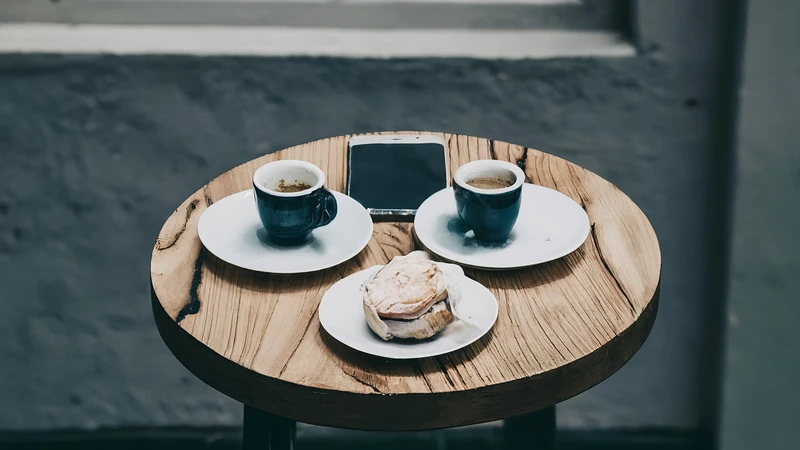
The bar itself acts as a social hub, a neutral ground where people from all walks of life cross paths. It’s democratic – the banker stands next to the construction worker, both enjoying their quick espresso.
Even offering coffee at home is a standard gesture of hospitality. When someone visits, one of the first things an Italian host will offer is “un caffè”. Refusing can almost seem impolite unless you have a very good reason! It’s a way to welcome someone and make them feel comfortable.
Regional Variations? Not So Much
Interestingly, while Italy has strong regional differences in food and dialects, coffee culture is remarkably consistent across the country. You might find minor local specialities (like the bicerin in Turin, a layered drink of coffee, chocolate, and cream), but the core rituals – the espresso, the cappuccino rules, the bar culture, the Moka at home – are largely the same from the Alps down to Sicily. The quality of the espresso might vary from bar to bar, of course, and Italians definitely have their favourite spots!
Why is it a Ritual?
So, why do I call it a ritual? Because it’s more than just drinking coffee.
- It has specific times and places.
- It follows unwritten rules (like the cappuccino timing).
- It involves specific gestures (standing at the counter, the quick sips).
- It uses iconic tools (the espresso machine, the Moka pot).
- It plays a significant social role, connecting people.
- It’s deeply ingrained in the daily rhythm and national identity.
It’s a small moment, repeated multiple times a day by millions of people, that reinforces cultural habits and social bonds. It’s efficient, traditional, and delicious all at once.
Final Thoughts: Embrace the Italian Way
If you’re visiting Italy or learning Italian, understanding and participating in the coffee ritual is a fantastic way to connect with the culture. Don’t be intimidated by the speed or the seemingly strict rules.
My advice?
- Try drinking coffee al banco. Feel the energy of the Italian bar.
- Be adventurous and try different types, like a macchiato or a ristretto.
- Observe the locals – when they drink certain types, how they interact.
- Don’t be afraid to just order “un caffè” – you can’t go wrong with a classic espresso.
- And yes, maybe avoid that afternoon cappuccino if you want to blend in! But ultimately, enjoy it your way.
Coffee in Italy is a small pleasure, but a significant one. It punctuates our days, fuels our conversations, and offers a moment of enjoyment in our busy lives. It’s a simple tradition, but one that speaks volumes about the Italian approach to life: finding quality and connection in the everyday moments.
So next time you’re in Italy, step into a bar, confidently order “un caffè, per favore”, and take a moment to savour the taste and the atmosphere. You’re not just having a drink; you’re taking part in a cherished Italian ritual. Salute!