Ciao! I’m Giulia, and every September I get the same message: “I need B1 Italian for citizenship — the exam is in October / December. Can I make it?”
Short answer: maybe. Long answer: it depends on your starting level, your exam date, and whether you prepare for the exam — not just “general Italian.”
This guide gives you the 2026 essentials: which certificate to pick, key dates, realistic timelines, and a prep plan that actually works. For the full comparison of certifying bodies, see my Italian certification exams guide.
1. Which exam counts for citizenship?
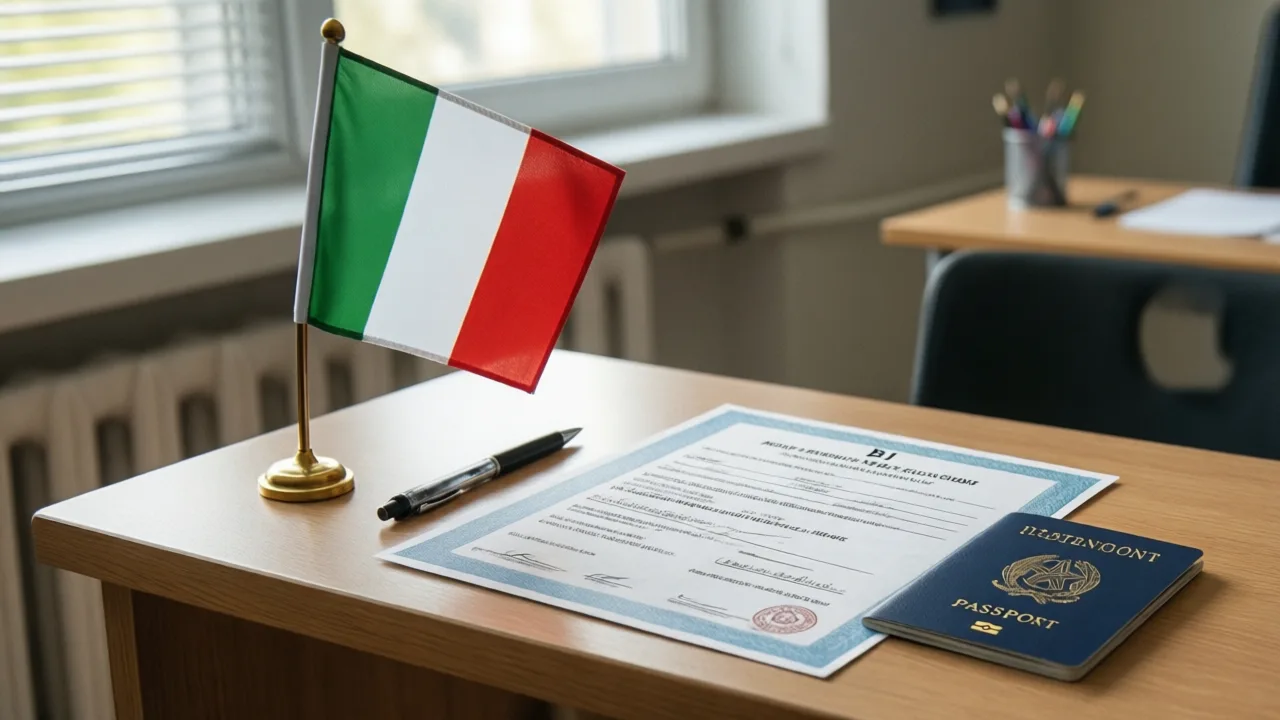
Italy requires a B1 certificate from a recognized institution. The most common options:
- CILS B1 Cittadinanza (Universita per Stranieri di Siena) — the most widely taken worldwide, practical focus, frequent sessions.
- CELI 2 Cittadinanza (Universita per Stranieri di Perugia) — equally valid, respected in Italy.
- PLIDA B1 (Societa Dante Alighieri) — communicative focus, partial-retake advantage in many cases.
- Cert.It B1 (Universita Roma Tre) — also recognized.
All test the same four skills: listening, reading, writing, speaking. Differences are logistical: where sessions run, how often, how fast results arrive, and retake rules. Check the official CILS site, the official CELI site, and PLIDA for centres near you — then confirm with your Prefettura or consulate.
My detailed breakdown of each format lives here: CILS exam prep guide and CELI exam prep guide.
2. CILS B1 Standard vs B1 Cittadinanza: pick the right one
This confusion fails people every year:
- B1 Cittadinanza: streamlined, practical everyday Italian, designed for the citizenship requirement. Offered more often per year. Valid for citizenship.
- B1 Standard: full B1 certification with an extra grammar/structures component. Valid for citizenship plus university and work.
Rule: if citizenship is your only goal, take the Cittadinanza variant. If you also need university admission or a work permit, take the Standard. Do not sit the harder exam “just in case” — it costs time.
Background on the legal requirement: Italian citizenship language requirement.
3. 2026 dates: work backwards, not forwards
CILS B1 Cittadinanza typically runs several times per year; B1 Standard mainly in June and December. CELI and PLIDA run spring, summer, and autumn sessions.
What matters now (late September 2026):
- October 2026 session: registration is closing now. If your centre still has seats, decide this week.
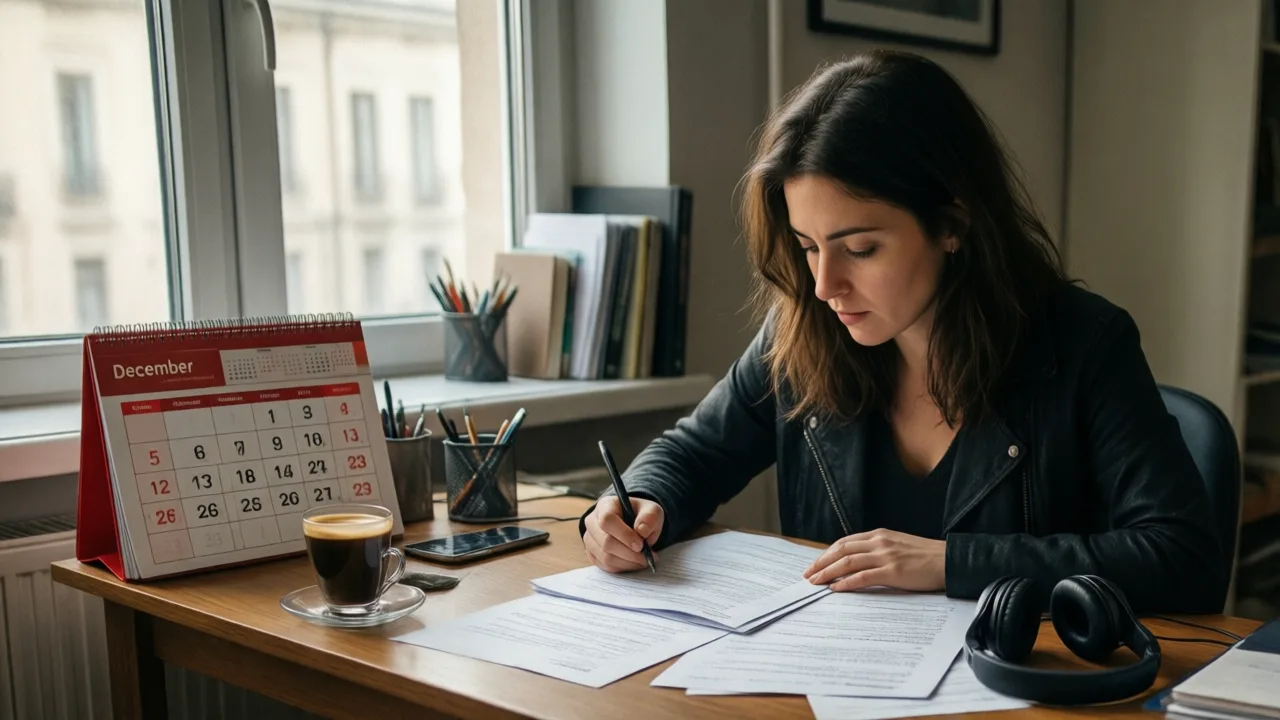
- December 2026 session: your realistic target if you are at A2 and need 6-10 weeks of focused prep. Register by mid-October.
- Results take weeks: CILS Cittadinanza results often arrive in about 40-45 days; other bodies can take longer. Budget this into your citizenship file timeline.
Always plan backwards from the exam date, not forwards from “someday I’ll be ready.” Pick a session, then build the prep block before it. My overview of timelines: how long to prepare for B1.
4. How long will you need?
Rough framework for regular study (about 5 hours per week):
| Starting point | Realistic path to B1 |
|---|---|
| Complete beginner (A0) | 14-20 months regular, or 8-12 months intensive |
| Basic (A1) | 10-14 months regular |
| Elementary (A2) | 6-10 months, plus 6-8 weeks exam training |
| Retake (one weak section) | 4-6 weeks focused on that skill |
Two mistakes I see constantly:
- Strong speakers who never trained the format. B1 speaking under pressure, timed writing, and exam listening at natural speed fail even fluent casual speakers. You need mock tests.
- Studying the wrong grammar. You do not need literary tenses. You need rock-solid present, passato prossimo, imperfetto, future, plus direct pronouns and ci/ne. Master the basics that actually appear: passato prossimo vs imperfetto, prepositions.
Unsure of your level? Start with my Italian language levels guide.
5. A focused 6-week prep block (A2 and up)
If you already handle everyday conversations, do this:
- Week 1 — diagnose. One full past paper under timed conditions. Grade every section. Your weakest skill gets 50% of study time.
- Weeks 2-4 — skill loops. Listening daily (exam audio, not slowed podcasts), one timed writing per week with teacher feedback, reading with a timer, speaking twice a week in exam conditions. My podcasts by level help listening, but exam audio is the priority.
- Week 5 — mock exam. Full simulation, including a 10-minute oral. Fix template phrases for describing pictures, giving opinions, and writing formal emails. My business email guide covers formal register.
- Week 6 — polish. No new grammar. Review error log, redo failed tasks, sleep properly before exam day.
Avoid the classic speaking-exam errors I list here: Italian speaking exam mistakes.
6. How I help you pass
Self-study gets you to A2. B1 exams are passed with feedback: someone who marks your writing against exam criteria and drills your speaking until it holds under pressure.
My exam preparation program is 1-on-1, online, built around official materials: timed mocks, writing correction, oral simulations, and a study plan anchored to your session date. Individual lessons cost 48 Euros per 45-minute session — see the full comparison on my course prices page. If your general Italian needs work first, we start with personal tutoring and switch to exam mode 6-8 weeks out.
Questions? Check my FAQ or message me and tell me: your current level, your target session, and which body (CILS/CELI/PLIDA) your centre offers. We’ll work backwards from there.
In bocca al lupo — and register early. December fills fast.