Passato prossimo is for completed actions with a clear beginning and end (ho mangiato, I ate); imperfetto is for ongoing, habitual, or background actions without a clear end (mangiavo, I was eating / I used to eat). Once you can answer one question, was the action bounded in time?, the choice becomes almost automatic.
This is the most common past-tense confusion in Italian. Here is the complete guide.
The One Question That Decides It
When you meet a past action, ask:
Was the action completed, with a clear beginning and end?
- Yes → passato prossimo (ho finito, I finished).
- No / it was ongoing, repeated, or a backdrop → imperfetto (finivo, I was finishing / I used to finish).
That single test resolves the vast majority of cases.
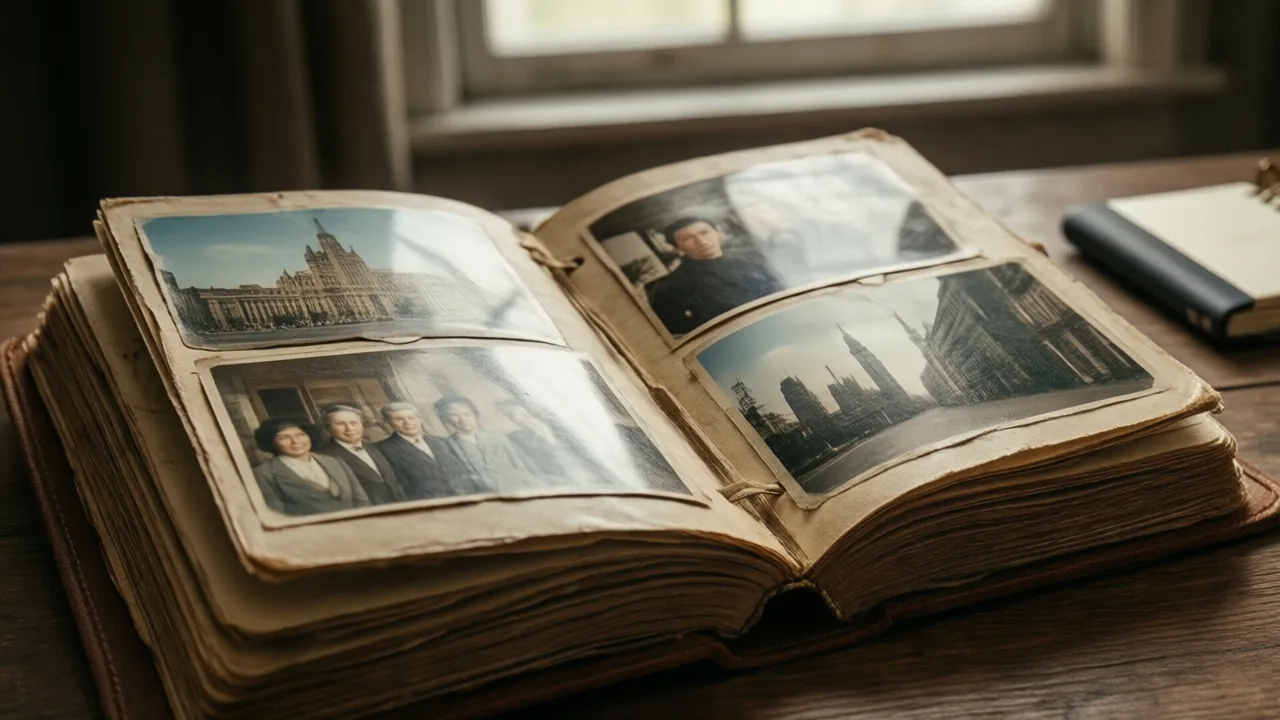
Passato Prossimo: The “Photo” Tense
Passato prossimo shows the action as a finished, bounded event:
- Ieri ho mangiato la pizza. (Yesterday I ate the pizza.) (completed)
- L’anno scorso ho comprato una macchina. (Last year I bought a car.) (completed)
- All’improvviso è entrato. (Suddenly he came in.) (single event)
Think of it as a photo: the action is frozen as a finished moment.
Imperfetto: The “Film” Tense
Imperfetto shows the action as open, ongoing, or repeated:
- Da piccolo giocavo sempre a calcio. (As a child I always played football.) (habit)
- Mentre leggevo, dormiva. (While I was reading, he was sleeping.) (ongoing)
- Era una giornata fredda. (It was a cold day.) (description/background)
Think of it as a film: the action stretches, repeats, or provides the backdrop.
When They Appear Together (The Classic Case)
This is the pattern examiners love and beginners dread:
Mentre leggevo (imperfetto) il giornale, è suonato (passato prossimo) il telefono. While I was reading the newspaper, the phone rang.
The imperfetto sets the ongoing background; the passato prossimo drops in the finished event that interrupts it.
Signal Words That Point the Way
| Points to imperfetto | Points to passato prossimo |
|---|---|
| sempre (always) | ieri (yesterday) |
| spesso (often) | un’ora fa (an hour ago) |
| di solito (usually) | una volta (once) |
| ogni giorno (every day) | all’improvviso (suddenly) |
| mentre (while) | prima (before) |
These are strong hints, not absolute rules; always check the meaning first.
Common Pitfalls
- “Used to” in English → imperfetto. I used to live in Rome → Vivevo a Roma (imperfetto), not ho vissuto.
- Descriptions of weather/age → imperfetto. Avevo vent’anni (I was twenty).
- A completed single event → passato prossimo. Ieri ho visto Anna (not vedevo).
For a deep dive into the imperfetto side specifically, see my earlier guide on the imperfect tense in Italian. And if you are preparing for an exam, this contrast is a favourite target; pair it with my exam preparation work.
Frequently Asked Questions
What is the difference between passato prossimo and imperfetto?
Completed, bounded actions → passato prossimo; ongoing, habitual, or background actions → imperfetto.
How do I choose between them?
Ask whether the action was completed with a clear beginning and end. Yes → passato prossimo; no → imperfetto.
Can they appear in the same sentence?
Yes: imperfetto sets the background, passato prossimo interrupts it. E.g., mentre leggevo, è entrato.
What are the signal words for imperfetto?
Sempre, spesso, di solito, ogni giorno, mentre.
What are the signal words for passato prossimo?
Ieri, un’ora fa, una volta, all’improvviso, prima.
Want to stop guessing between past tenses?
My free 10-lesson Italian crash course covers essential verb patterns in real sentences, no sign-up, no pressure. When you want live practice, message me on WhatsApp.
Start the free crash course or chat with me on WhatsApp.
Buon viaggio on your language learning journey! 🇮🇹