Ciao! I’m Giulia, a native Italian and your language teacher. Today I want to share something that always gets a laugh in my lessons: the real Italian laws that sound completely made up. And trust me, I get it. When students tell me about “the law that bans kissing in cars,” I have to stop them and say, wait, that one is actually true.
Here is the thing about Italy. Our national laws are serious, but our local councils can pass ordinances on just about anything that touches public order, decency, or cleanliness. That is how a legal system famous for serious things ends up with a town that regulates sandcastles and a city that sets a daily walking quota for dogs. These are local ordinances, not national legislation, and many are enforced far more in the press than in the streets. But they are real, they are on the books, and they are a wonderful window into Italian life.
So grab a coffee, and let’s walk through ten of the most delightful real rules Italy has ever produced.
The 10 Real Italian Laws at a Glance
| Law | Where | In a nutshell |
|---|---|---|
| 1. No kissing in cars | Eboli, Campania | A 2008 ordinance curbs romance in parked cars |
| 2. No sandcastles | Eraclea, Veneto | Building sandcastles is forbidden on the beach |
| 3. Roulette only where licensed | Nationwide | Gambling is limited to state run casinos |
| 4. Three dog walks a day | Turin | Owners must walk their dogs at least three times daily |
| 5. No feeding the pigeons | Venice | Feeding pigeons is banned, with fines up to 500 euros |
| 6. Hands off the sand | Sardinia | Removing sand, shells, or pebbles is illegal |
| 7. No eating on the street | Florence | Eating by famous landmarks can cost you a fine |
| 8. Proper shoes on the trails | Cinque Terre | Open toes and slippery soles are banned on paths |
| 9. No cappuccino after 11 am | Everywhere | A beloved cultural rule rather than a written law |
| 10. No sitting on the steps | Rome | Resting on fountains and historic steps is restricted |
1. No Kissing in Cars: Eboli’s Romance Ordinance
Picture a warm evening in a pretty Italian town, two people parked under the stars, and then trouble. In Eboli, a town in the Campania region, a 2008 ordinance prohibits kissing and other intimate displays of affection in parked vehicles.
The rule was born from a practical headache. Young couples used to park in a well known spot near the town center, and local authorities decided that public decency needed a nudge. The fine can reach about 500 euros, although in reality it is almost never enforced. So unless you are looking to make a very expensive statement on a first date, you can enjoy Eboli worry free.
2. No Sandcastles Allowed: Eraclea’s Beach Rule
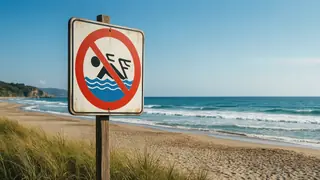
If you are a proud sandcastle architect, skip Eraclea. This coastal town near Venice banned the construction of sandcastles on its beaches because they blocked the passage of people strolling along the shore and complicated the nightly cleaning of the sand.
The rule, introduced in 2008, can carry a fine of up to 250 euros. And it does not stop with castles. Ball games and digging deep holes in the sand are treated the same way. So build your castle with a bucket and a dream somewhere else, or enjoy Eraclea’s very tidy beaches as they are.

3. Roulette Behind Regulated Doors
Italy takes its gambling laws seriously, and that means one thing for players: roulette and other casino games are only allowed in government licensed casinos. You will never find a slot machine tucked into a corner shop or a roulette wheel spinning in a back alley bar.
This system comes from a national law that keeps most forms of gambling under the supervision of the state. Casinos like the historic ones in Venice, San Remo, and St Vincent operate by special license. So if you love the thrill of the wheel in Italy, the proper place to enjoy it is where the state says it belongs.
4. Three Dog Walks a Day: Turin’s Pet Welfare Law
This is the one that makes everyone smile. In Turin, a 2005 pet welfare law requires dog owners to walk their dogs at least three times a day, with fines up to about 500 euros for neglect.
And Turin did not stop with the walks. The same rulebook bans dyeing a pet’s fur and docking a dog’s tail for purely aesthetic reasons. The city even cracked down on fairgrounds giving away goldfish in plastic bags. The message is simple: Italians adore their animals, and in Turin they decided to say so in writing. Rome has a similar rule, but it only asks for one daily walk. Try following at least one Turin rule a day, your dog will thank you.
5. No Feeding the Pigeons in Venice
Feeding pigeons in St Mark’s Square used to be part of the classic Venice postcard. Those days are gone. Since 2008, feeding pigeons has been banned across the city, and the rules are enforced most strictly in and around Piazza San Marco.
The reason is pure preservation. Pigeon droppings damage the marble facades, statues, and monuments that make Venice one of the world’s most beautiful squares. Fines can reach about 500 euros, and the city has become so serious that a street vendor was once fined 10,000 euros for selling bird feed under the arcades. So snap your photo with the pigeons if you like, just don’t feed them.
6. Hands Off the Sand in Sardinia
Italy’s most famous beach souvenir is probably its sand. And in Sardinia, taking it home is against the law. Since 2017, a regional law bans removing sand, pebbles, shells, or stones from the island’s beaches, with fines ranging from about 500 to 3,000 euros.
This is one rule that has actually been enforced. In 2021, 41 tourists were fined a total of 3,000 euros for filling bottles and bags with seaside souvenirs (see the BBC report). The law exists to protect the coastline from the constant erosion caused by visitors taking a little piece of paradise away with them. Admire the sand, photograph it, but leave it where it belongs.
7. No Eating on the Street in Florence
Florence is a masterpiece you walk through, and the city wants to keep it that way. A 2018 municipal measure bans eating and drinking on the doorsteps and steps of buildings near the city’s biggest landmarks, including the Uffizi Gallery, Palazzo Vecchio, and Santa Croce.
The rule targets the peak hours and the food tourists love to eat on the go, from gelato cones to pizza by the slice. Fines can reach about 500 euros. The aim is simple: keep the pavements clean, keep the crowds moving, and stop the stains from building up on centuries old stone. When you are in Florence, do like the locals and enjoy your snack sitting properly. Your shoes and the city’s stones will both thank you.

8. Proper Shoes on the Cinque Terre Trails
The Cinque Terre is a string of pastel villages connected by cliffside paths, and those paths are not a joke. Since 2019, the regional authorities have banned open toed shoes, slippery soles, and heels on the hiking trails, with fines that can range from 50 to 2,500 euros.
The reason is safety, and sadly it is a story told in numbers. Every year rescue teams are called to help visitors who slip on the rugged trails in flip flops or sandals. The ban exists to stop those rescues before they start. My honest advice is to treat this one as a favor: the trails are steep and uneven, and a proper pair of shoes makes the experience a thousand times better.
9. No Cappuccino After 11 am
Strictly speaking, this one is not a law. There is no ordinance that says “no cappuccino after eleven.” But in Italian culture this rule might as well be written in stone, and no visitor escapes hearing it.
Italians see milky coffee as a breakfast drink. After a meal, and especially after lunch or dinner, milk is considered too heavy to sit on the stomach, so the coffee of the hours is the espresso, un caffè. If you ask for a cappuccino at two in the afternoon, expect a polite look of surprise and a server who is far too kind to say anything out loud.
For the full story on how Italians take their coffee, from the morning ritual at the bar to the famous espresso, my guide to Italian coffee culture covers every delicious detail.

10. No Sitting on the Steps in Rome
Rome protects its history with a long list of decorum rules, and visitors feel them most around the city’s most famous landmarks. Since 2019, it has been forbidden to sit, eat, or walk barefoot on the Spanish Steps, and swimming or even dipping your feet in the fountains, including the Trevi Fountain, carries a fine.
The penalties range from about 200 to 500 euros, depending on the offense. Before you protest, know that the reason is real: the marble steps and fountains are centuries old, and crowds of resting, snacking tourists were slowly grinding them into dust. Rome decided the history was worth protecting. And there are plenty of benches nearby.
Why These Laws Tell You Something About Italy
Look past the smiling headlines and these rules share a common thread. Each one protects something Italians genuinely treasure: cleanliness, safety, heritage, and animal welfare. A ban on sandcastles sounds silly until you realize the beach machines need to clean the shore. A rule about pigeons sounds funny until you see the marble of St Mark’s Square up close.
These are not laws meant to trap tourists. They are local communities trying to protect the things they love, one small rule at a time. That is the Italy behind the stereotypes, and it is wonderful once you see it.
Want to feel ready before you land? If any of these laws made you curious, or if you simply want to start speaking Italian with confidence before your trip, keep exploring. The language is the best key to understanding why Italians protect their beaches, their coffee, and their history with such care. If you are starting from zero and want a gentle, friendly place to begin, my Italian from Zero course was built exactly for people like you.
Curious about the real Italy, one custom at a time? Understanding how Italians live, from coffee to the beach, feels even better when you can talk about it in their language. My Italian from Zero course is an 8 week live online program for beginners, with small groups of 4 to 8 students. No pressure, no homework stress, just a friendly start to real Italian. Come join us!
Frequently Asked Questions About Italian Laws
Are there really strange laws in Italy?
Yes. Italy’s local councils can pass ordinances on anything that affects public order, decency, or cleanliness. That is why you find rules like a ban on kissing in cars in Eboli, a requirement to walk dogs three times a day in Turin, and a prohibition on building sandcastles in Eraclea. Most of these are local ordinances rather than national laws, and many are rarely enforced, but they are genuinely on the books.
Is it illegal to kiss in a car in Italy?
It is illegal in Eboli, a town in Campania, where a 2008 ordinance prohibits kissing and other intimate behavior in parked cars. The measure was aimed at curbing public indecency in a popular night spot. In practice it is enforced very rarely, so the law reads more like a curious local rule than a real risk for most visitors.
Do you really have to walk your dog three times a day in Turin?
Yes. Turin passed a pet welfare law in 2005 that requires dog owners to walk their dogs at least three times a day, with fines up to about 500 euros for neglect. The same law also bans dyeing a pet’s fur or docking tails for purely aesthetic reasons. Similar rules exist in other Italian cities, though Rome only asks for one daily walk.
Can you take sand from beaches in Italy?
No. Since 2017, Sardinia has banned removing sand, pebbles, shells, or stones from its beaches, with fines ranging from about 500 to 3,000 euros. In 2021, 41 tourists were fined a total of 3,000 euros for pocketing seaside souvenirs. Other coastal areas enforce similar protections.
Is it illegal to feed pigeons in Venice?
Yes. Feeding pigeons has been banned across Venice since 2008, and it is enforced most strictly in and around St Mark’s Square, with fines up to about 500 euros. The ban protects the city’s historic marble facades and monuments from pigeon droppings. A street vendor was even fined 10,000 euros for selling bird feed in the square.
How do local rules in Italy relate to national law?
Italian national law sets serious standards for the whole country, while cities and towns can pass local ordinances, called ordinanze, on matters of public order, decency, hygiene, and safety. Local officials have used this freedom for decades to address issues like loitering, feeding wildlife, and protecting monuments. A good overview of how these local prohibitions grew into so many eyebrow raising rules is this Guardian report on Italy’s local laws."