Ciao! I am Giulia, your Italian teacher. When my students from other parts of Europe plan a trip to Italy, Rome is usually the first city they mention. That makes sense. It is the Eternal City, full of history, art and incredible food.
Italy is right here in Europe, yet it can feel a little different from home. Visiting Rome is not quite like visiting Paris, Berlin or Madrid. The rhythm of life, the way people talk to each other, the small daily habits, all have a distinct Italian and Roman flavour.
I wrote this guide for fellow Europeans heading to Rome. Think of it as advice from a friend who knows Italy well. I will cover what might surprise you, what to watch out for, and how to make the most of your time in Rome.
Key takeaways
- Rome has its own pace. Build in extra time, embrace the slower rhythm and enjoy the moment.
- History is everywhere, from the Colosseum to Baroque piazzas. A short guide or audio guide helps you understand what you see.
- Try the four Roman pastas, respect the coffee ritual and look for trattorias away from the main sights.
- Walk where you can, book major sights in advance and keep valuables secure in crowded places.
On this page: The Roman vibe | Layers of history | Churches | What to eat | Practical tips | FAQ
Understanding the Roman Vibe: What Might Feel Different
Europe is diverse and Italy has its own rhythm. Rome is a big, international capital and it keeps a strong character. Here are a few things you may notice:
- The pace of life: piano, piano. One of the first things you may notice is the pace. It can feel slower and less tied to strict schedules than you are used to at home. Meals can stretch out, conversations can wander and queues can be less orderly. My advice is simple. Do not fight it. Try to go with the flow and enjoy the idea of la dolce vita. Add extra time to your plans, watch people go by and have that second coffee. Rushing rarely helps in Rome. It is not about inefficiency. It is just a different approach to time.
- Food and mealtimes are central. Food is not just fuel here. It is at the heart of social life and Italian culture. Lunch, pranzo, and dinner, cena, are often important moments shared with family or friends. Expect meals to last longer than you might expect. Many restaurants do not open for dinner until 7:30 or 8:00 pm. Try the aperitivo too. From around 6 to 8 pm, bars serve drinks with snacks that can be quite generous. It is a relaxed way to ease into the evening before dinner.
- Family and community. Family matters everywhere in Europe, but in Rome you will often see strong family and community ties. It is common to see several generations together, especially on Sundays. There is a warmth and openness that can feel very welcoming, even in a large city.
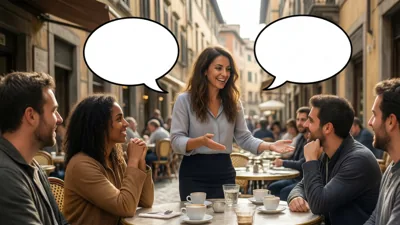
- How people talk, and the volume. Italians, and Romans in particular, tend to be expressive. Conversations can be lively, with plenty of hand gestures, and they may sound louder than in some northern European countries. Loud does not mean angry. It is usually just enthusiasm. You will hear animated chat in cafes and on street corners all day.
- Coffee culture is serious. Coffee is essential, but do not expect large mugs of filter coffee. The standard is espresso, often drunk quickly while standing at the banco, the counter. Cappuccino is seen as a morning drink. You can order it any time as a visitor, you may just get a curious look. There are many variations: macchiato with a touch of milk foam, caffe lungo with more water, caffe ristretto with less water, and caffe corretto with a small splash of liqueur. In many bars you pay first at the cassa, take your scontrino receipt and then give it to the barista.
- The passeggiata. In the early evening, especially at weekends, you will see Romans enjoying the passeggiata. It is a slow, pleasant stroll along main streets like Via del Corso or through local piazzas. People see and meet each other and enjoy the city air before dinner. Join in if you can. It is a lovely habit.
Stepping Back in Time: Rome’s Layers of History
History is everywhere in Rome. As a European, some of this history is shared. It is part of our collective past. The density and scale in Rome, however, are on another level.
- Ancient Rome is unavoidable. You cannot miss the traces of the Roman Empire. The Colosseum is striking, but there is much more.
- The Roman Forum and Palatine Hill. This area was the heart of ancient Roman life for politics, religion and trade. Walking among the ruins gives you a sense of scale. A guide or good audio guide helps a lot. Without context you may just see stones and miss the story.
- The Pantheon. This is my personal favourite. Standing inside under the huge concrete dome, still the largest unreinforced concrete dome in the world, built nearly 2,000 years ago, is moving. Entry is free. Look up at the oculus, the opening to the sky.
- Imperial Fora. These forums sit next to the main Roman Forum and were built by emperors such as Caesar, Augustus and Trajan. Trajan’s Market is especially well preserved.
- Baths of Caracalla. These large public baths show how Romans handled social life and engineering on a grand scale. You can picture daily life there quite clearly.
- Circus Maximus. Today it is a wide open area, but try to imagine the chariot races that once filled it.
- Castel Sant’Angelo. Built as Emperor Hadrian’s mausoleum, it later served as a papal fortress and prison. It connects to the Vatican by the Passetto di Borgo, a fortified corridor. One building, many layers of history.
- Beyond ancient times. Rome stayed central during the Renaissance and especially the Baroque period.
- Piazza Navona. A fine Baroque square built on the site of an ancient Roman stadium. Bernini’s Fountain of Four Rivers in the centre is superb.
- Trevi Fountain. A Baroque masterpiece. Yes, it is crowded, but many visitors like to toss a coin with the right hand over the left shoulder. For a calmer visit, go very early in the morning or late at night.
- Spanish Steps, Piazza di Spagna. An elegant 18th century staircase. It is a great place for people watching, but sitting on the steps is now forbidden and can lead to a fine.
- Why it feels different here. Even if your country has Roman ruins, Rome was the centre. The scale, the ambition and the concentration of history in one city are unlike anywhere else. Much of European law, language and culture has roots here. Seeing it in person connects you to that shared heritage.
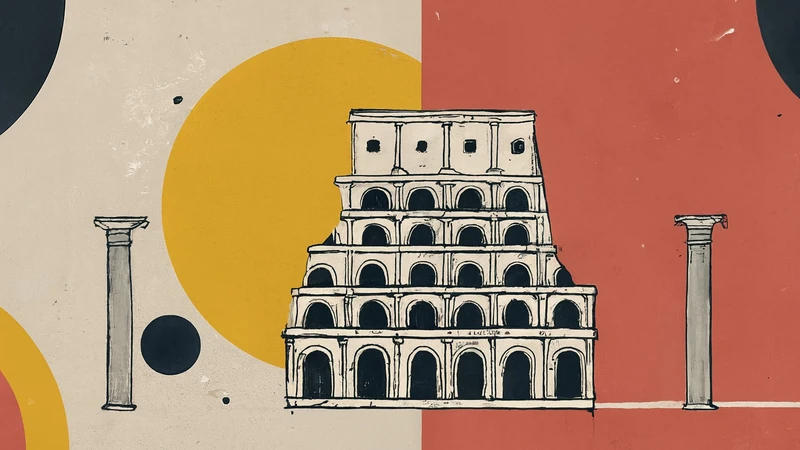
Planning to visit the ancient sites? Learn a few Italian phrases before you go and the stories come alive. My Italian from Zero course is a gentle start for complete beginners who want to understand more than just the sights.
Religious Art and Architecture: Churches Galore
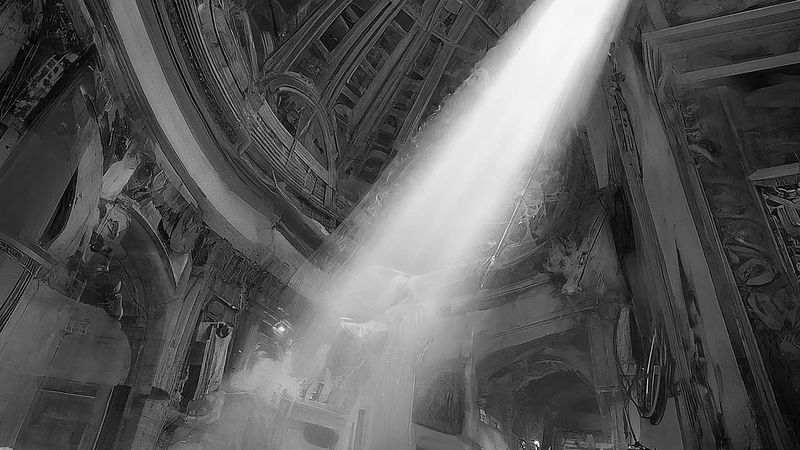
Rome is the heart of the Catholic Church. For any European visitor, whatever your beliefs, this part of the city is very visible.
- Vatican City. Remember, it is an independent country inside Rome.
- St Peter’s Basilica. It is immense and highly decorated. Michelangelo’s dome dominates the skyline. Inside, look for his Pieta near the entrance on the right. You can climb the dome for great views, but the stairs are narrow and winding, so skip it if you dislike tight spaces. Follow the strict dress code: shoulders and knees must be covered for everyone.
- St Peter’s Square, Piazza San Pietro. Designed by Bernini, the colonnades look like open arms welcoming visitors. If you want to attend a Papal Audience, which is usually held on Wednesdays when the Pope is in Rome, check the official Vatican website in advance.
- Vatican Museums. One of the largest art collections in the world. It is huge, so decide what you want to see before you go. Most visitors head for the Sistine Chapel to see Michelangelo’s ceiling and The Last Judgment. It is remarkable, but expect crowds and remember that silence is requested inside. Book tickets online well in advance from the official Vatican Museums site to avoid long queues.
- Beyond the Vatican. Rome is said to have more than 900 churches. You cannot see them all, but finding hidden ones while wandering is part of the fun. Some highlights apart from St Peter’s include:
- Basilica di Santa Maria Maggiore. One of the four major papal basilicas, with striking 5th century mosaics.
- Basilica di San Giovanni in Laterano. Rome’s cathedral and the Pope’s church as Bishop of Rome, with impressive architecture and history.
- Basilica di San Clemente. Fascinating for its layers. A 12th century church stands over a 4th century church, which in turn stands over a 1st century Roman house and a temple of Mithras. You can visit the underground levels.
- Small Baroque churches. Look for San Luigi dei Francesi with three Caravaggio paintings, Sant’Ignazio di Loyola with its illusionistic ceiling that looks like a dome, and Il Gesu, the mother church of the Jesuits.
- The atmosphere. Even if you are not religious, the amount of art and the sense of history inside these buildings is strong. The Baroque richness and the direct link to the centre of Catholicism feel distinctly Roman compared with many cathedrals in northern Europe.
Eating Like a Roman: What You Should Definitely Try
Now to the food. Everyone loves Italian food, but Roman cooking, cucina romana, has its own classics. You will find pizza and pasta across Europe, but the Roman versions are worth trying here.
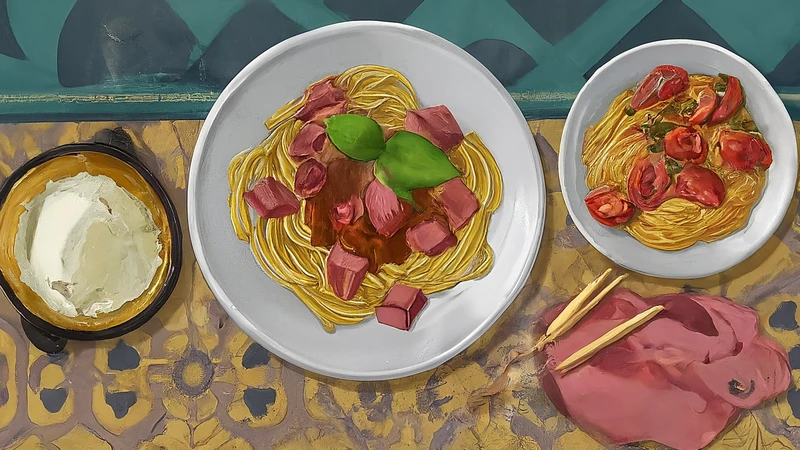
- Famous Roman pastas. Roman pasta is often simple and depends on excellent ingredients. Be sure to try these four:
- Carbonara. Made with guanciale, cured pork jowl which is richer than bacon or pancetta, egg yolks, pecorino romano, a salty hard sheep milk cheese, and black pepper. There is no cream, ever.
- Cacio e pepe. The name means cheese and pepper. It uses only pasta water, pecorino romano and black pepper to create a creamy sauce. When done well, it is superb.
- Amatriciana. A tomato sauce with guanciale and pecorino romano, often with a touch of chilli.
- Gricia. Think of it as amatriciana without tomato. It is guanciale, pecorino and black pepper, sometimes called white amatriciana.
- More than pasta.
- Saltimbocca. Thin veal topped with prosciutto and sage, quickly pan fried. The name means it jumps in the mouth.
- Carciofi, artichokes. Romans love artichokes. Look for carciofi alla romana, slow braised with herbs like mint and garlic, or carciofi alla giudia, deep fried until crisp, a specialty from Rome’s historic Jewish Ghetto. Season is winter to early spring.
- Suppli. Fried rice balls with tomato sauce and a soft mozzarella centre. You often find them in pizzerias. They are called suppli al telefono because the mozzarella stretches like an old telephone cord when you pull them apart.
- Pizza. Roman pizza has two main styles. Pizza al taglio, sold by the slice in rectangles and priced by weight, and pizza tonda, a round pizza with a very thin, crisp crust served in the evening in sit down pizzerias. Both are excellent.
- Where to eat. Try to avoid restaurants right next to major sights, especially those with someone outside trying to pull you in or menus in ten languages. They are often pricey and average. Look for a trattoria or osteria on a side street where you hear Italian spoken. Testaccio is known for authentic Roman cooking. Trastevere has many charming places, though some cater mainly to tourists. Markets like Campo de’ Fiori and the Testaccio Market, which is more local and great for lunch, are also good for real flavours.
- Gelato. Look for gelato artigianale, artisan gelato. Good signs are natural colours, pistachio should not be neon green, and gelato kept in covered flat metal tubs, not piled high. Seasonal fruit flavours are a good choice.
- Wine. Try a wine from Lazio, the region around Rome, such as Frascati, a dry white.
Practical Tips for European Visitors
Here are practical points to make your trip smoother.
- Getting around.
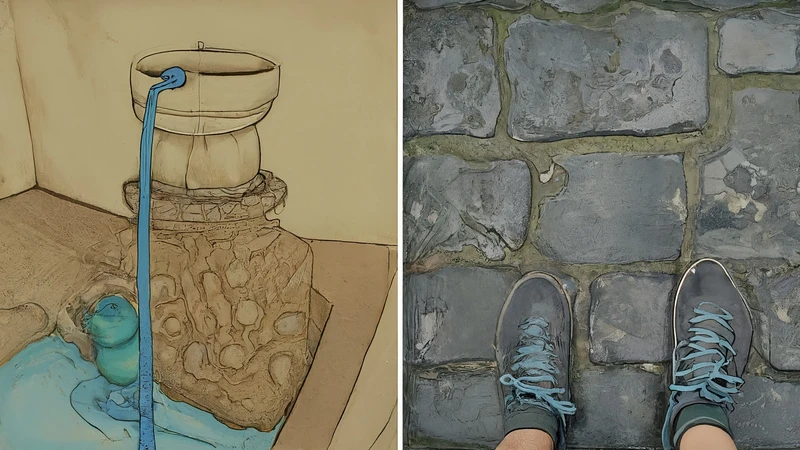
- Walk. Much of the historic centre is more compact than you might expect. Walking is often the best way to explore and find hidden corners. Wear very comfortable shoes. The lovely cobblestones, sampietrini, are beautiful but hard on your feet.
- Public transport. Rome has a metro, buses and trams. The metro is efficient for longer trips, for example to the Vatican or Termini station, but it covers only part of the historic centre. Buses go almost everywhere yet they can be stuck in traffic and very crowded. Buy tickets before you board at a tabacchi, newsstand or metro station and validate them in the machine on the bus or tram right away. A Roma Pass can be worth it for transport and some museums, see Roma Pass official site.
- Taxis. Use only official white taxis with a meter. Avoid unmarked cars. Find them at taxi ranks or call one. Hailing on the street is not the usual approach. Uber is available but often as the pricier Uber Black.
- Driving. I do not recommend renting a car if you stay mainly in Rome. Traffic is busy, parking is hard and large parts of the centre are ZTL limited traffic zones which need a permit. Entering by mistake leads to a fine sent later.
- Booking and tickets.
- Book ahead. For the Colosseum, Forum and Palatine which share one ticket and for the Vatican Museums, book online from the official sites well before you visit. That saves hours of queuing. Avoid third party sites that add fees.
- Accommodation. Book well in advance, especially in peak season. Good central bases include Monti, Trastevere which can be lively at night, Prati near the Vatican, and the area around Campo de’ Fiori. The area right by Termini is handy for transport but less charming than other districts.
- Safety. Rome is generally safe, but like any large European capital, watch for pickpockets. They are active in crowded spots such as Termini station, the metro, buses such as the 64 to the Vatican, around the Trevi Fountain and by the Colosseum. Keep valuables secure and out of sight, avoid showing large amounts of cash and stay aware of your surroundings. Politely say no to people who offer free bracelets or roses. They often demand payment after.
- When to visit. Spring, April to May, and autumn, September to October, usually bring pleasant weather and fewer crowds than summer. Summer, June to August, can be very hot and busy. Winter is quieter and often sunny and still good for sightseeing. In August many Romans take holidays, so some small family shops may be closed, marked chiuso per ferie.
- Language. In tourist areas many people speak English, but a little Italian goes a long way. Try Buongiorno for good morning or good day, Grazie for thank you, Prego for you are welcome, Scusi for excuse me, Parla inglese for do you speak English, and Quanto costa for how much does it cost. As a language teacher, I can tell you that even a small effort helps. If you want to learn more quickly, see my Italian for travelers phrase guide.
- Water. You will see free public fountains called nasoni, big noses, because of their shape. The water is cold, safe and good to drink. Bring a reusable bottle and refill it. It saves money and is refreshing.
- Shop and restaurant hours. Some small traditional shops may close for a few hours in the early afternoon, roughly 1 to 4 pm. Major sights and shops in tourist areas usually stay open all day. Restaurants often close between lunch, which ends around 3 pm, and dinner from about 7:30 pm. Many shops outside the centre still close on Sundays, though this is changing in the central areas.
- Paying. Credit cards are widely accepted in hotels, restaurants and larger shops, but carry some cash for small purchases like coffee, gelato, market items or bus tickets.
- Respect dress codes. As noted for the Vatican, cover shoulders and knees when entering any church. A light scarf in your bag is useful in summer.
My Final Thoughts
Visiting Rome is an incredible experience for anyone. As a fellow European you have a special chance to connect with a history that shaped our continent. You will find familiar echoes and things that are wonderfully different.
My best advice is to come with an open mind and pack those comfortable shoes. Be ready for beautiful chaos. Slow down, look up at the architecture and small details, allow yourself to get pleasantly lost in side streets, enjoy the food, try a few words of Italian and soak up the atmosphere. Rome is not a city to tick off a list. It is a city to feel and experience.
I hope these tips help you plan and enjoy the Eternal City. I am sure you will come home with great memories.
Buon viaggio!
Frequently Asked Questions
Do I need to book tickets for the Colosseum and Vatican Museums in advance?
Yes. Book directly from the official websites well before you visit. The Colosseum, Forum and Palatine Hill use one timed ticket, and the Vatican Museums use another. This avoids long queues and extra fees from resellers.
What is the dress code for churches in Rome?
Cover your shoulders and knees in every church, including St Peter’s Basilica. This rule is enforced and applies to everyone. A light scarf is handy in summer.
What Roman pasta dishes should I try?
Start with carbonara, cacio e pepe, amatriciana and gricia. All four rely on guanciale and pecorino romano. Real carbonara never includes cream.
How do I get around Rome’s historic centre?
Walk when you can and wear comfortable shoes for the sampietrini cobblestones. Use the metro for longer distances and buses or trams for shorter ones. Buy and validate tickets before and as you board.
When is the best time to visit Rome?
Spring and autumn usually offer the best balance of weather and crowds. Summer is hot and busy, winter is quieter and often pleasant for sightseeing.
Want to feel ready before you go?
A little Italian goes a long way in Rome, from ordering coffee at the bar to asking for directions. If you are starting from zero and want a friendly, structured start, my Italian from Zero course is an 8 week live online program for beginners. Small groups of 4 to 8 students, gentle pace and real conversation from week one.
Prefer one to one help? Contact me here and I will help you choose the right format. And if you are still deciding, read more about how I teach and my pricing.