What You'll Learn
- Why real Italian food is regional, not one single thing
- The rules of pasta, pizza, risotto, and gelato
- How the north and south of Italy eat differently
- The desserts and coffee rules Italians actually live by
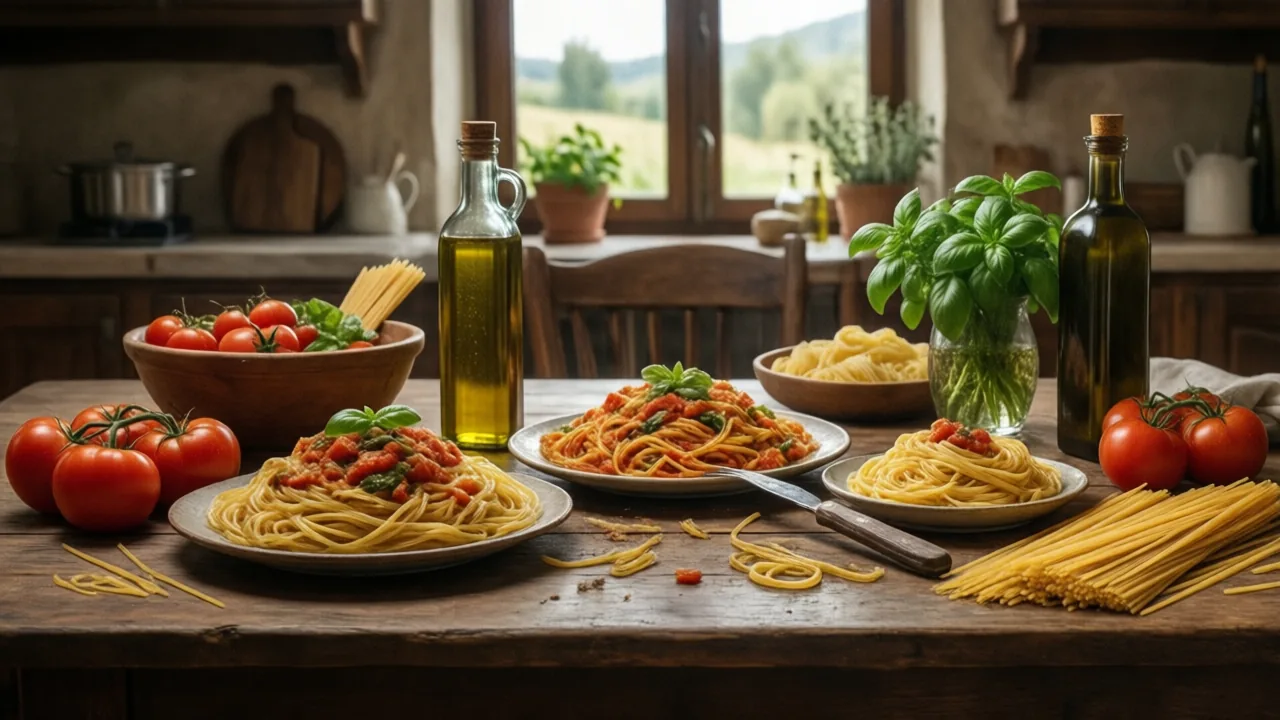
Ciao! I’m Giulia, an Italian native and language teacher. If there’s one thing Italians love to talk about almost as much as they love to eat, it’s food. Pasta and pizza come to mind first, and yes, we adore them. But Italian cuisine is so much more: it’s diverse, surprisingly simple, and fiercely regional.
There isn’t just one “Italian food.” Cooking in Sicily is very different from cooking in Piedmont or Veneto. Every region has its own history, local ingredients, and traditions. The secret is never complicated recipes; it’s fresh, high-quality ingredients treated with respect.
So forget the clichés for a moment and come with me through the real flavors of Italy. Think of this as a chat at a trattoria table. Andiamo!
1. Pasta: More Than Just Spaghetti
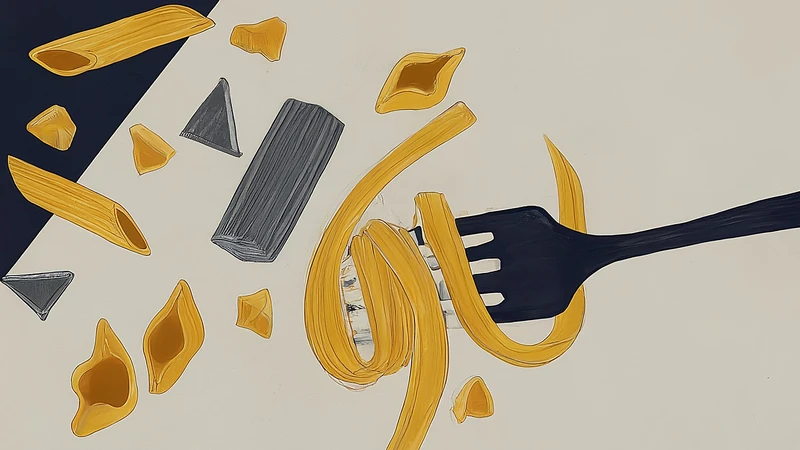
Pasta is the heart of an Italian meal, served as the primo piatto (first course). But the world of pasta is huge. There’s a big difference between pasta secca (dried, factory-made from durum wheat and water, typical of the South) and pasta fresca (fresh, often made with eggs, typical of the North). My nonna made fresh pasta almost every Sunday, and you can taste that difference.
Every region has its champions. In Rome, you have the four iconic pasta dishes:
- Carbonara: guanciale (cured pork jowl, not bacon!), Pecorino Romano, eggs, black pepper. Never with cream!
- Amatriciana: guanciale, Pecorino Romano, tomato.
- Cacio e Pepe: Pecorino Romano, black pepper, starchy pasta water.
- Gricia: Amatriciana without the tomato, the ancestor of the others.
Liguria gives you trofie al pesto; Emilia-Romagna, tagliatelle al ragù and tortellini in brodo; Puglia, orecchiette with cime di rapa; Sicily, pasta alla Norma.
A few rules I always give my students: cook pasta al dente, never rinse it (you wash away the starch that helps sauce cling), match the sauce to the shape, and please don’t break your spaghetti. It’s just not done.
2. Pizza: The Real Deal from Naples
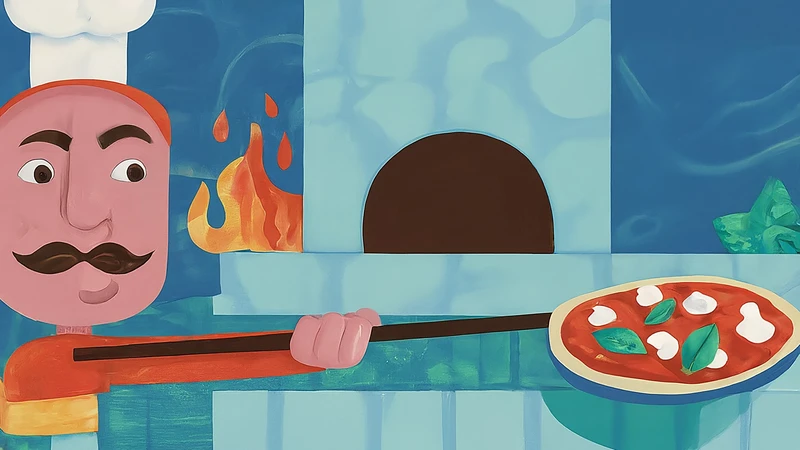
Pizza as we know it was born in Naples, and Neapolitan pizza is serious business. The dough is just flour, water, yeast, and salt, hand-stretched (never rolled), and baked for 60 to 90 seconds in a wood-fired oven at around 485°C (905°F). The result is soft, foldable, with a charred, puffy crust called cornicione.
The classic Margherita is simplicity itself: San Marzano tomatoes, fresh mozzarella, basil, and a drizzle of olive oil. The Marinara is even simpler: tomato, garlic, oregano, and olive oil (no seafood, despite the name!).
Beyond Naples, Rome does pizza tonda, thin and crispy, pizza al taglio is sold by the slice everywhere, and Sicily has sfincione, thick and spongy. What you won’t find in a traditional pizzeria? Pineapple, chicken, or piles of toppings. Italian pizza is about balance and quality. For the official rules, the Associazione Verace Pizza Napoletana sets the standard.
3. Risotto, Polenta, and the Comforts of the North
While the South lives on tomatoes and olive oil, Northern Italian cuisine relies on butter, cream, rice, cornmeal (polenta), and rich meats. French, Austrian, and Swiss influences shaped these regions.
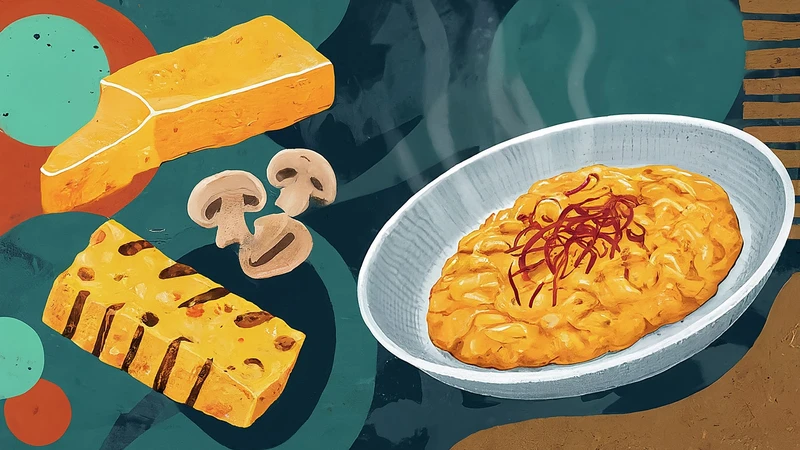
Risotto is an art, not boiled rice. Short-grain rice like Carnaroli or Arborio releases starch as it cooks, giving that signature creamy texture. Risotto alla Milanese, golden from saffron, is the icon; mushrooms and truffles make other classics. Polenta, once peasant food, is now celebrated: soft and creamy next to stews like brasato al Barolo, or grilled until crispy. The North also gives us Gorgonzola, Taleggio, Parmigiano Reggiano, and the aperitivo culture of Milan.
Planning a trip? Get ready to order food and chat with locals. My Italian crash course for travelers gives you the essential phrases for your vacation.
4. Sunshine on a Plate: Seafood and the Flavors of the South
The South, bathed in sunshine and surrounded by the Mediterranean, is all about olive oil, vibrant vegetables, herbs, and fantastic seafood. Dishes are simple and built on freshness. Spaghetti alle vongole (with clams) tastes like the sea; fritto misto di mare is crispy fried seafood with a squeeze of lemon.
Sicily, shaped by Greek, Arab, and Norman history, has its own world: pasta con le sarde, sweet and sour caponata, and the famous fried rice balls called arancini. Puglia is famous for orecchiette and seafood, sometimes served raw. Calabria brings the heat with peperoncino and the spreadable sausage ’nduja. And parmigiana di melanzane, layers of fried eggplant, tomato, and mozzarella, is comfort food heaven.

5. Dolce Vita: Italy’s Sweet Side
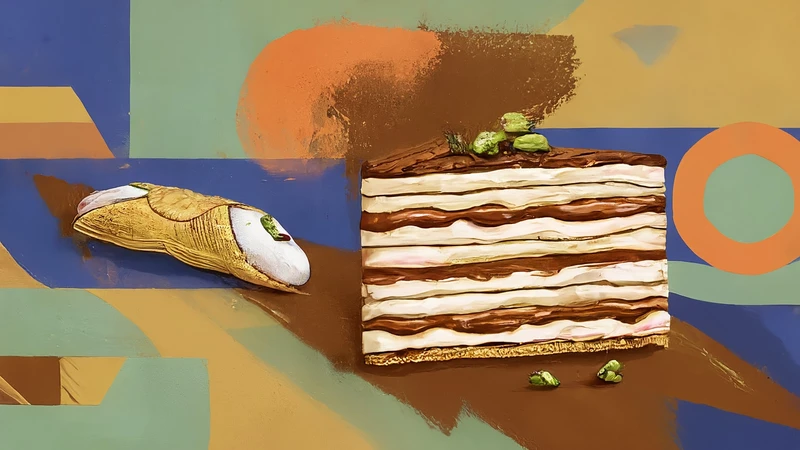
No Italian meal feels complete without a dolce. Italian desserts are often lighter and less sugary than their international cousins. Tiramisù, meaning “pick me up,” layers coffee-soaked ladyfingers and mascarpone. Sicily gives us cannoli and cassata. And gelato deserves a special mention: less butterfat and less air than typical ice cream, so it’s denser and more intense.
Then come the seasonal treats: panettone and pandoro at Christmas, pastiera at Easter in Naples, cantucci for dipping in Vin Santo. And the coffee rules: milky coffees like cappuccino are for breakfast, while espresso can follow any meal.
Curious about the phrase ‘La Dolce Vita’? It means ’the sweet life.’ You can read about La Dolce Vita here!
So, What’s the Real Taste of Italy?
Italian cuisine celebrates regional differences, uses the best ingredients each season offers, and keeps things simple so the flavors shine. It’s about traditions passed down through families, the joy of gathering around a table, and taking the time to savor your food.
The best way to truly understand it is to taste it, ideally in Italy, exploring different regions. But even at home, with good ingredients, you can bring a taste of Italy to your kitchen. If you’re planning a food trip, the official Italian tourism site is a great starting point.
Frequently Asked Questions
What is authentic Italian food? Authentic Italian food is simple and regional. Each region uses its own local ingredients and traditions, and the real secret is fresh, high-quality ingredients treated with respect rather than complicated recipes.
What are the four classic Roman pasta dishes? Carbonara (guanciale, Pecorino Romano, eggs, black pepper), Amatriciana (guanciale, Pecorino Romano, tomato), Cacio e Pepe (Pecorino Romano, black pepper, starchy pasta water), and Gricia (Amatriciana without the tomato).
What makes authentic Neapolitan pizza different? Authentic Neapolitan pizza uses only flour, water, yeast, and salt, is hand-stretched rather than rolled, and is baked in a wood-fired oven for 60 to 90 seconds. It comes out soft and foldable with a charred, puffy crust.
Why should you never rinse cooked pasta? Rinsing cooked pasta washes away the starch that helps the sauce cling to the noodles. Italians cook pasta al dente and only rinse it for cold pasta salads.
Ready to Talk About Food Like an Italian?
Food is the perfect way to practice a new language. In my lessons, you learn the words and phrases you'll actually use at a trattoria or market. Let's get you speaking with confidence.