Ciao! As an Italian teacher and a native speaker, I often hear people use the phrase La Dolce Vita. It’s famous, isn’t it? It pops up in movies, travel brochures, even restaurant names outside Italy. Usually, it brings to mind images of sunny Rome, Vespas, movie stars, maybe long lunches and endless glasses of wine. It sounds like the sweet life, a life of pleasure and ease.
But like many things that become famous internationally, the real meaning can get a bit fuzzy. Is it just a movie title? A tourism slogan? Or does it represent something deeper about Italian culture? And maybe the most important question: is this dolce vita still something Italians experience today, or is it just a nostalgic dream?
Note: This article was originally published on November 25, 2023, and was last updated on July 20, 2026, to include deeper cultural context and contemporary perspectives.
In this post, I want to explore La Dolce Vita with you. We’ll look at where the idea came from, way before the famous movie. We’ll talk about Federico Fellini’s film, of course, because it’s impossible not to. And then, I’ll share my thoughts on what La Dolce Vita means in Italy now, based on my own experiences and observations. Let’s try to understand this fascinating piece of Italian identity together.
Where Did the Idea of “The Sweet Life” Come From?
Long before Fellini put La Dolce Vita on the big screen, the idea of enjoying life, appreciating beauty, and taking time for pleasure was already part of the Italian way of thinking. You could say its roots go way, way back.
Ancient Rome: Seeds of Pleasure and Leisure (Otium)
If we travel back to ancient Rome, we find a society that, at least for the wealthier classes, valued leisure time, or otium as they called it. This wasn’t just about being lazy; it was seen as important time for intellectual pursuits, socializing, enjoying art, and simply resting from the demands of public life and business (negotium).
Think about the Roman baths (terme), which were huge social hubs, not just places to get clean. People went there to relax, chat, exercise, read, and unwind. Consider the grand feasts, the appreciation for good food and wine, the elaborate villas designed for comfort and beauty. The Romans certainly knew how to enjoy the pleasures life offered.
They also had a concept sometimes called dolce far niente – literally, sweet doing nothing. Now, this isn’t about being unproductive in a negative way. It’s more about the simple pleasure of being idle, of observing the world without rush, of enjoying a moment of quiet contemplation or relaxed conversation. It’s about finding sweetness in stillness, not just in action. While maybe not explicitly called “La Dolce Vita” back then, these attitudes towards pleasure, leisure, and the appreciation of the moment definitely laid some groundwork for the concept we know today. They valued living well, not just living.
Federico Fellini’s La Dolce Vita: The Film That Defined an Era
Okay, let’s jump forward a couple of thousand years. While the idea of a sweet life existed, the phrase La Dolce Vita exploded into global consciousness thanks to one man: Federico Fellini.
In 1960, Fellini released his film La Dolce Vita. It wasn’t just a movie; it was a cultural phenomenon. It won the Palme d’Or at the Cannes Film Festival and made a huge impact both in Italy and internationally.
What the Film is Really About
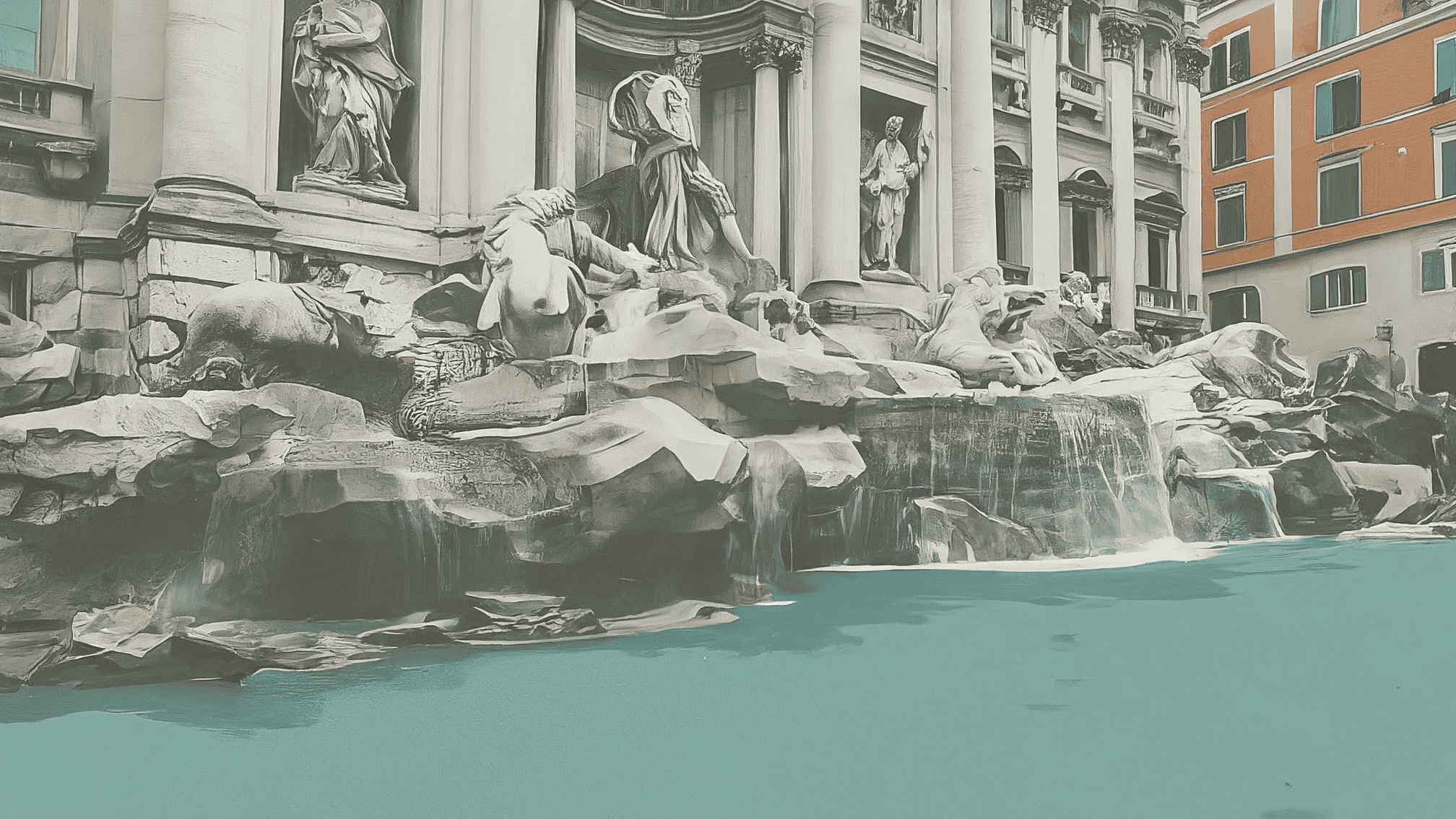
The film follows Marcello Rubini, a gossip journalist played by the iconic Marcello Mastroianni, as he drifts through the high society of Rome in the late 1950s. He attends extravagant parties, chases after celebrities and elusive women (like the famous scene with Anita Ekberg in the Trevi Fountain), and witnesses scenes of both glamour and emptiness.
It’s easy to watch La Dolce Vita and just see the glamour – the stylish clothes, the fancy cars, the beautiful people, the seemingly endless nightlife. This is probably where the popular image of La Dolce Vita comes from. But Fellini wasn’t just celebrating this lifestyle; he was also critiquing it.
Marcello, the main character, is searching for meaning but seems lost in a world of fleeting pleasures, superficial connections, and moral ambiguity. The film shows the decadence, the boredom, and the existential searching hidden beneath the shiny surface. It’s a complex look at modern life, fame, and the struggle to find happiness and purpose. It’s not just sweet; there’s a bitterness underneath too.
The Impact: Why the Phrase Stuck
Despite the film’s underlying critique, the phrase La Dolce Vita captured the imagination. Italy was experiencing its post-war “economic miracle” (il boom economico), and Rome was becoming a glamorous international hub, nicknamed “Hollywood on the Tiber” because so many American movies were being filmed there.
Fellini’s film tapped into this moment of optimism, energy, and newfound prosperity. The images were powerful, seductive even. The phrase itself – La Dolce Vita – sounds beautiful, musical, and inherently appealing. It perfectly encapsulated this desire for a life filled with pleasure, style, and excitement.
So, the phrase stuck. It became shorthand for the Italian dream: effortless style, beautiful surroundings, delicious food, and a generally relaxed attitude towards life. Even if the film showed the dark side, the idea of the sweet life was too tempting to resist.
So, What Does La Dolce Vita Really Mean?
Beyond the movie and the ancient history, what does La Dolce Vita mean as a concept, as a way of living? It translates directly as the sweet life, but it’s more than just sweetness in the sense of candy. It’s about a richness, a fullness, a life savored.
Here are some key ingredients I see in the idea of La Dolce Vita:
- Appreciating Simple Pleasures: It’s not necessarily about luxury yachts or champagne (though those can be nice!). It’s more about finding joy in everyday things. A perfectly brewed espresso in the morning sun. A long chat with a friend. The taste of fresh pasta. The beauty of an old building. The warmth of family. It’s about noticing and valuing these small but significant moments.
- Savoring the Moment: In Italy, there’s generally a strong emphasis on the present. Rushing through life, constantly planning for the future, isn’t typically the ideal. La Dolce Vita involves slowing down enough to actually experience what’s happening now. This is why meals can be long affairs, why the evening passeggiata (a leisurely stroll) is important, why people might stop for an aperitivo before dinner just to unwind and chat.
- Valuing Beauty and Aesthetics: Italy is steeped in art, history, and natural beauty, and there’s a cultural appreciation for things that look and feel good. This doesn’t just mean high fashion (though Italy is famous for that too). It can be the way food is presented, the care taken in designing public squares (piazze), the style with which people dress even for simple occasions. There’s a belief that beauty enhances life.
- Prioritizing Human Connection: Relationships – with family, friends, community – are central to Italian life. Sharing meals, spending time together, celebrating milestones, even just daily interactions in the neighborhood are vital. La Dolce Vita often involves this sense of belonging and conviviality. Life is sweeter when shared.
- Finding Balance: While Italians work hard, there’s often a sense that work isn’t everything. Making time for family, for leisure, for personal interests is important. The long lunch break (pausa pranzo), though perhaps less common now in big cities, reflects this idea of punctuating the workday with rest and enjoyment. It’s about integrating life and work, rather than letting work dominate completely.
It’s an attitude, really. A philosophy that encourages you to embrace pleasure, live fully in the present, and appreciate the richness of everyday life. It’s less about what you have and more about how you live.
La Dolce Vita and Italian Culture Today
This is where things get interesting, and maybe a bit complicated. We’ve talked about the origins and the ideal. But does La Dolce Vita, as popularly imagined, truly exist in Italy today?
From my perspective as someone who grew up and lives connected to Italy, I’d say yes… and no. It’s not as simple as the movies make it seem.
Echoes of the Sweet Life: What Still Rings True
Certain aspects absolutely remain deeply ingrained in Italian culture:
- The Importance of Food: Food is not just fuel in Italy; it’s culture, identity, pleasure, and a reason to gather. The emphasis on fresh, seasonal ingredients, regional specialties, and taking time to cook and eat together is still very strong. A long Sunday lunch (pranzo della domenica) with family is still a cherished tradition for many. The ritual of coffee at the bar, the evening aperitivo – these moments of culinary pleasure are woven into the daily fabric.
- Sense of Style and Beauty (La Bella Figura): There’s still an appreciation for aesthetics and making a good impression (fare la bella figura). This can be seen in fashion, design, the upkeep of towns and homes, and just the general way people present themselves. Looking good often feels good.
- Social Connections: Despite modern pressures, the importance of family and community remains central. People rely on their networks, socialize regularly within their local areas, and value face-to-face interaction. The piazza is often still the heart of a town, a place to meet and connect.
- Appreciation for Leisure: While maybe not the “sweet doing nothing” of ancient Rome, Italians generally value their free time. Vacations (especially in August around Ferragosto), weekends, and holidays are taken seriously as times to relax, travel, and be with loved ones. There’s a cultural understanding that life isn’t just about work.
- Regional Differences: Italy is incredibly diverse. What La Dolce Vita might look like in a bustling northern city like Milan is very different from a sleepy village in Sicily or a coastal town in Puglia. In the South, life often moves at a slower pace, and traditions related to food, family, and community might feel even stronger, perhaps closer to the romanticized image.
The Modern Reality: Challenges to the Sweet Life
However, it’s crucial to avoid romanticizing Italy. Modern life brings challenges that definitely complicate the picture of a carefree Dolce Vita:
- Economic Pressures: Italy has faced significant economic challenges for years. Youth unemployment can be high, salaries may not keep pace with the cost of living (especially in major cities), and job insecurity (precariato) is a reality for many. This makes the carefree indulgence associated with La Dolce Vita difficult, if not impossible, for large parts of the population. The need to work long hours or multiple jobs can erode leisure time.
- Globalization and Modernization: Italy is, of course, a modern, globalized country. American culture, fast food, international brands, and the fast pace of digital life have inevitably had an impact. While Slow Food originated in Italy as a counter-movement, the pressures of modern convenience are real. Traditional long lunch breaks are less common in many jobs, especially in the North.
- Bureaucracy and Frustration: Ask any Italian, and they’ll likely tell you about frustrations with bureaucracy (la burocrazia). Dealing with paperwork, navigating complex systems – these everyday hassles can certainly detract from a feeling of sweet, easy living!
- North-South Divide: There are significant economic and social differences between the more industrialized North and the often less developed South. Opportunities, infrastructure, and even the pace of life can vary greatly, impacting how people experience daily reality.
- Tourism’s Double-Edged Sword: The very idea of La Dolce Vita attracts millions of tourists. While tourism is vital for the economy, it can also lead to overcrowding in popular destinations, rising prices, and the “Disneyfication” of certain areas, where authenticity is sometimes sacrificed for a marketable image. What tourists experience might be a curated version of La Dolce Vita, not the everyday life of residents.
So, is La Dolce Vita dead? I don’t think so. But it’s definitely not the universal, effortless reality that postcards might suggest. It exists in moments, in attitudes, in cultural priorities. It’s something Italians might strive for, appreciate when they find it, perhaps feel nostalgic for, but it coexists with the very real struggles and complexities of modern life. It’s perhaps less of a constant state and more of a cherished ideal, glimpsed in specific contexts and moments rather than lived 24/7.
(Whimsical illustration with geometric accents showing the contrast of modern Italian life. Perhaps split style: one side showing idealized ‘Dolce Vita’ elements (food, style), the other hinting at modern realities (abstracted bureaucracy, crowds). Use consistent brand palette and style, offering an unexpected visual interpretation of contemporary Italy.)
Finding Your Own Dolce Vita (Through an Italian Lens)
Maybe the real beauty of La Dolce Vita isn’t about trying to replicate a 1960s movie scene. Perhaps it’s about taking inspiration from the Italian approach to life and applying it wherever you are.
As you learn Italian, you’re not just learning words and grammar; you’re gaining access to this cultural mindset. You start to understand the importance placed on certain things, the rhythm of daily life, the expressions that reveal underlying values.
Here are a few thoughts on how the spirit of La Dolce Vita might be cultivated, inspired by Italian culture:
- Slow Down Your Meals: Try to eat at least one meal a day without rushing, without screens. Really taste your food. If you can, share it with someone.
- Seek Out Simple Pleasures: What small things bring you joy? A good cup of coffee? Sunshine on your face? Listening to music? Make a conscious effort to notice and appreciate them.
- Connect with People: Make time for real conversations. Call a friend instead of texting. Visit family. Chat with your neighbors.
- Embrace Beauty: Find beauty in your surroundings. Visit a park, look at local art, tidy up your workspace, wear something that makes you feel good.
- Take Real Breaks: Protect your leisure time. Step away from work. Do something you enjoy just for the sake of enjoyment, not productivity. Maybe even try a little dolce far niente!
Learning Italian can be a gateway to understanding these nuances. When you can order your coffee in Italian, chat with locals during your travels, or understand the subtleties in an Italian film, you get a richer, more authentic taste of the culture that gave us La Dolce Vita.
If you’d like to follow that thread, my free 10-lesson Italian crash course takes you from your first buongiorno to holding a real conversation, at no cost. After that, my A1 beginner level guide builds the fundamentals from zero, and my A2 elementary level guide is where you reach the everyday exchanges — ordering coffee, talking with neighbours, following an aperitivo — that this culture actually lives in.
Conclusion: More Than Just a Phrase
So, La Dolce Vita. It started as an undercurrent in ancient philosophies of pleasure, exploded into global fame with Fellini’s complex cinematic vision, and continues to represent a certain idealized Italian way of life focused on pleasure, beauty, connection, and savoring the moment.
As we’ve seen, the reality in Italy today is nuanced. The romantic image coexists with modern challenges. But the core values associated with La Dolce Vita – appreciating simple joys, valuing human connection, finding beauty in the everyday, and striving for a balanced life – still hold significance in Italian culture and, I believe, offer valuable lessons for all of us.
It’s not just about living in Italy; it’s about adopting an attitude. It’s an invitation to find the sweetness in our own lives, wherever we are. And perhaps, by learning the language and engaging with the culture, we can get a little closer to understanding and experiencing its true spirit.
What does La Dolce Vita mean to you? Have you experienced moments of it in Italy or elsewhere? I’d love to hear your thoughts!
Keep exploring the culture: if the food and ritual side of this appeals to you, read my guides to Italian breakfast, ordering at an Italian restaurant, and Italian coffee culture — the small daily rituals where dolce far niente actually shows up.
Experience La Dolce Vita Through Italian Conversation
Understanding the philosophy of La Dolce Vita is wonderful, but the true essence emerges when you can discuss it, live it, and share it with native Italians! Meaningful conversation about culture, values, and Italian perspectives is where language truly comes alive.
Ready to embrace the Italian way of life through language? Join me for personal conversation sessions where we can explore Italian culture, philosophy, everyday life, and what it truly means to live well. Let’s discover La Dolce Vita together!