Ciao! I’m Giulia, and I have a confession: when my German grandmother first heard an Italian say “come i cavoli a merenda,” she looked at the table, saw no cabbage, saw no snack, and concluded Italians were simply insane.
She wasn’t entirely wrong. Italian idioms — i modi di dire — are gloriously illogical until somebody explains them. Then they become unforgettable. Today we dissect three of my favorite funny ones: the out-of-place cabbage, the professional innocent, and the perfectly timed cheese. Andiamo!
1. Come i cavoli a merenda — “Like cabbage at snack time”
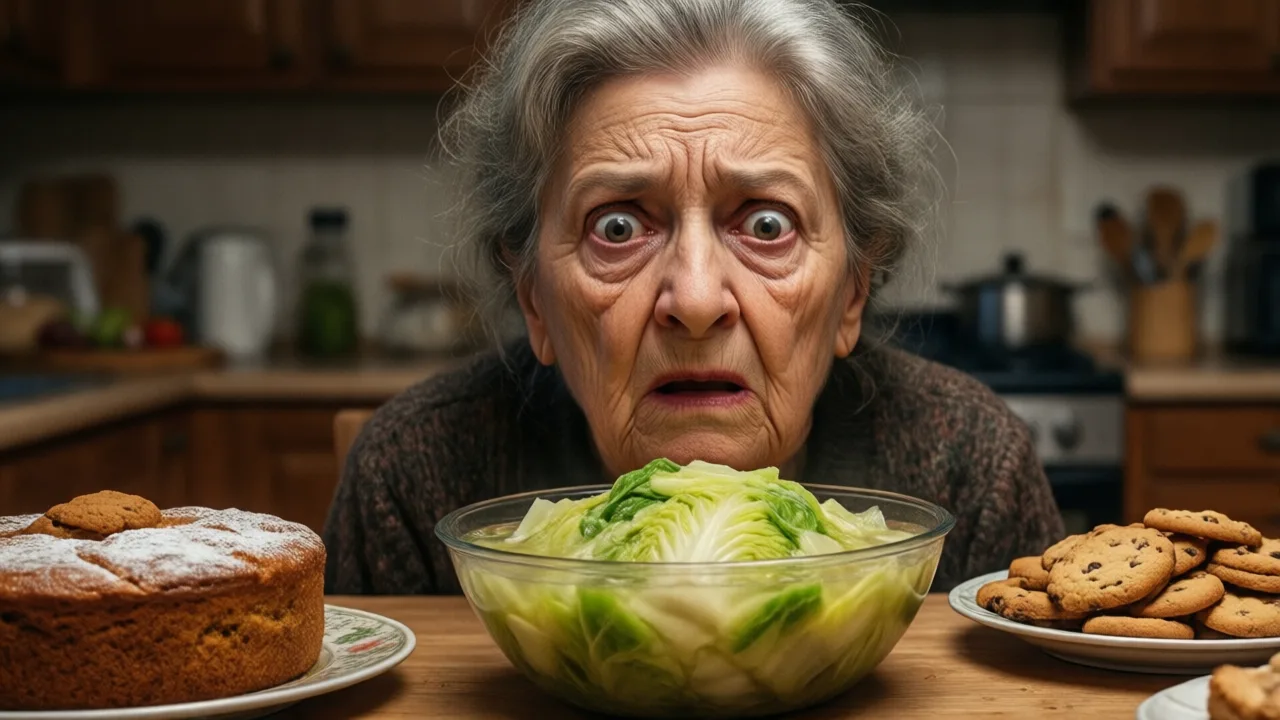
Literal picture: merenda is the beloved Italian afternoon snack — think cake, focaccia, fruit tart. Now imagine someone slamming a bowl of boiled cabbage (cavoli) onto that table. Wrong food, wrong moment, wrong everything.
Real meaning: something (or someone) completely out of place. An irrelevant comment in a meeting, a guest who wasn’t invited, a detail that has nothing to do with the topic.
How to use it:
- “Ieri alla riunione ha parlato di calcio per dieci minuti — come i cavoli a merenda.” (Yesterday at the meeting he talked about football for ten minutes — totally out of place.)
- “Con quel cappello elegante e le ciabatte, eri come i cavoli a merenda.” (With that elegant hat and flip-flops, you were completely out of place.)
Register note: playful and slightly sarcastic, but not vulgar. Safe with friends, colleagues, and your mother-in-law — as long as she isn’t the cabbage.
2. Fare lo gnorri — “To play the gnorri” (playing dumb)
Literal picture: there is no picture, because lo gnorri doesn’t exist — and that’s exactly the point. The word comes from an old dialectal twist on ignorante (ignorant). To fare lo gnorri is to wear ignorance like a costume: you know perfectly well what happened, but your face says “who, me?”
Real meaning: to pretend you don’t know, didn’t see, or don’t understand — usually to dodge blame or work.
How to use it:
- “Ha mangiato l’ultima fetta di torta e poi ha fatto lo gnorri.” (He ate the last slice of cake and then played dumb.)
- “Non fare lo gnorri, ti ho visto!” (Don’t play innocent — I saw you!)
Every Italian child is a natural-born gnorri artist by age four. Every Italian parent is a professional gnorri detector. It’s basically a national sport.
Register note: informal and affectionate-scolding. Perfect for friends, family, and colleagues you like. Don’t accuse your boss of fare lo gnorri unless you’re ready for the consequences.

3. Come il cacio sui maccheroni — “Like cheese on macaroni”
Literal picture: a steaming plate of macaroni arrives, and at that exact second someone showers it with grated cheese (cacio — the ancient Roman word for cheese, still alive in words like cacio e pepe). Timing: perfect. Fit: perfect. Joy: maximum.
Real meaning: something that arrives at exactly the right moment and fits the situation perfectly — the missing piece you were waiting for.
How to use it:
- “Il tuo messaggio è arrivato come il cacio sui maccheroni — stavo proprio per chiamarti!” (Your message came at just the right moment — I was about to call you!)
- “Questo sconto capita come il cacio sui maccheroni, proprio prima delle vacanze.” (This discount comes at the perfect time, right before the holidays.)
Register note: warm and positive, usable everywhere — with friends, at work, in emails. It’s a compliment to fate itself.

Quick recap: use them this week
| Idiom | Means | Use when |
|---|---|---|
| Come i cavoli a merenda | Out of place | Something doesn’t belong |
| Fare lo gnorri | Playing dumb | Someone dodges blame |
| Come il cacio sui maccheroni | Perfect timing | Everything fits just right |
My challenge for you: smuggle all three into one conversation this week. Start with fare lo gnorri — it’s the easiest to provoke (“Who ate the last biscotto?” — silence — “Non fate gli gnorri!”).
Hungry for more? My 10 Italian proverbs I actually use and the guide to Italian slang continue the tour. And if idioms still confuse you in real conversations, my free 10-lesson crash course builds the everyday Italian underneath them — or chat with me on WhatsApp and we’ll practice them live.
E tu — quale di questi tre userai per primo? 😄