Ciao! I’m Giulia, your Italian teacher. One thing I really love about the Italian language is all its proverbs – i proverbi. They’re like little bits of wisdom passed down through the years, and honestly, we Italians use them quite a bit in everyday talk.
Understanding proverbs isn’t just about learning new words. It really helps you get a feel for Italian culture, the way we think, and the things we find important. Sometimes, a proverb just says it better (and with more feeling!) than a plain old sentence.
When my students start picking up on these sayings, and even using them, I know they’re getting genuinely comfortable with the language and the Italian way of thinking. It feels like they’ve unlocked something special! If you’re already spotting these patterns when you listen, our A2 Elementary guide shows you how to turn passive understanding into real conversation.
So, I wanted to share ten common Italian proverbs that I often find myself explaining or using. I’ll tell you what they mean word-for-word, what the real message is, and give you examples of when you might hear them or use them yourself. Ready? Let’s get started – andiamo!
1. Chi dorme non piglia pesci
Literal meaning: He who sleeps doesn’t catch fish.
This is probably one of the most famous Italian proverbs, and it makes sense why. It’s a pretty direct nudge to get moving. The message is simple: you won’t get anywhere if you just sit around or are lazy. If you want something, whether it’s catching actual fish or reaching a goal in life, you need to be awake, paying attention, and actually doing something about it. You have to put in the effort.
When you might hear it:
I sometimes use this with students who are a bit shy about practicing speaking. They want to speak fluently, but the “sleeping” part is not actually trying – not making mistakes and trying again. So, I might gently say, “Ricorda, chi dorme non piglia pesci! Devi provare a parlare.” (Remember, he who sleeps catches no fish! You have to try to speak.)
But you’ll hear it in lots of situations. Maybe a parent tells a teenager to get out of bed on a Saturday and do something useful. Or a friend might tell another friend to apply for that job now before someone else gets it. You might even say it about yourself if you missed an opportunity: “Eh, purtroppo non ho agito in tempo. Sai come si dice, chi dorme non piglia pesci.” (Ah, unfortunately, I didn’t act fast enough. You know what they say, he who sleeps catches no fish.)
It really shows the Italian appreciation for taking initiative and grabbing opportunities. We tend to value getting things done.

2. Non tutto il male vien per nuocere
Literal meaning: Not all bad comes to harm.
This proverb is our way of saying “every cloud has a silver lining.” It shows a kind of optimism even when things feel tough. The idea is that sometimes, things that seem bad at first can actually lead to good things you didn’t expect, or at least teach you something valuable. It encourages you to hang in there and look for the good, even when stuff goes wrong.
When you might hear it:
This is a comforting thing to say to someone. I might use it if a student feels bad after a tough lesson or if a test didn’t go as planned. “Non ti preoccupare, non tutto il male vien per nuocere. Forse questo ti aiuta a capire cosa devi studiare di più.” (Don’t worry, not all bad comes to harm. Maybe this helps you figure out what you need to study more.)
You could also use it to make someone feel better after something like a breakup: “Lo so che è difficile ora, ma vedrai, non tutto il male vien per nuocere. Magari è l’inizio di qualcosa di meglio.” (I know it’s hard now, but you’ll see, not all bad comes to harm. Maybe it’s the start of something better.) Or maybe you’re looking back at a challenge that ultimately helped you grow: “Perdere quel lavoro è stato duro, ma non tutto il male vien per nuocere – mi ha spinto a iniziare la mia attività.” (Losing that job was tough, but not all bad comes to harm – it pushed me to start my own business.)
It shows a bit of Italian adaptability and our ability to find some perspective when facing problems.
3. L’appetito vien mangiando
Literal meaning: Appetite comes while eating.
This is such a great proverb because it applies to so much more than just food. It means that interest, motivation, or even enjoyment often grows once you actually start doing something, even if you weren’t excited about it at first. You don’t always feel hungry (or motivated) before you start eating (or working on something), but the act itself often gets you going.
When you might hear it:
I often use this to encourage students to try something new about Italian culture they might be unsure about, like listening to opera or learning a complicated bit of history. “Dai, prova ad ascoltare quest’aria. Vedrai, l’appetito vien mangiando!” (Come on, try listening to this aria. You’ll see, appetite comes with eating!)
It’s perfect for trying to get a friend to join you for something new: “Non sei convinto? Vieni a fare una lezione di prova di ballo con me. L’appetito vien mangiando!” (Not convinced? Come to a trial dance lesson with me. Appetite comes with eating!) Or maybe you’re facing a big project that feels overwhelming: “Comincia a scrivere la prima pagina. Una volta iniziato, l’appetito vien mangiando.” (Start writing the first page. Once you begin, appetite comes with eating.) And yes, you can definitely use it when encouraging someone to try an unfamiliar dish!
It suggests that just getting started builds enthusiasm. The motivation often kicks in after you begin.
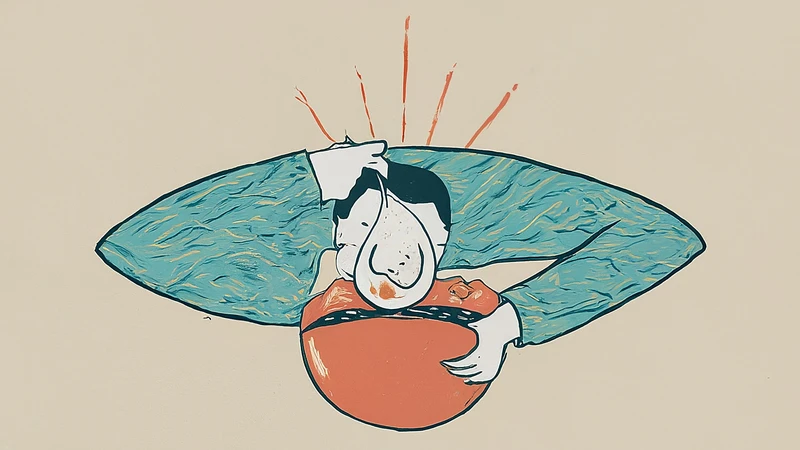
4. Meglio un giorno da leone che cento da pecora
Literal meaning: Better one day as a lion than a hundred as a sheep.
This one is powerful. It’s all about courage, living with dignity, and really living your life fully, even if it means taking risks or facing challenges. It suggests it’s better to live even a short time with bravery and passion, being true to yourself (like a lion, seen as noble and strong), than to live a long, safe, boring life just following the crowd and not making any impact (like a sheep).
When you might hear it:
This is a strong, almost defiant proverb. It’s often used to push someone (or yourself) to be bold, stand up for what’s right, or chase a dream, even if it seems scary. It values individuality and making a mark over just blending in.
You might hear it when someone is thinking about a big, risky life change, like leaving a secure but dull job for something they’re passionate about: “Sì, è rischioso, ma preferisco tentare. Meglio un giorno da leone che cento da pecora!” (Yes, it’s risky, but I’d rather try. Better one day as a lion than a hundred as a sheep!) It could also be used to encourage someone to speak out against unfairness. Historically, it sometimes came up when talking about courage during difficult times.
It shows a certain Italian value placed on living with grinta (grit, determination), not just existing quietly.
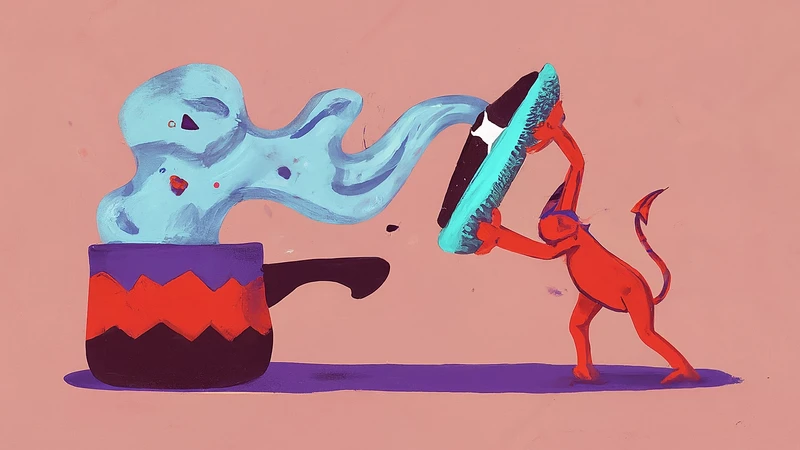
5. Il diavolo fa le pentole, ma non i coperchi
Literal meaning: The devil makes the pots, but not the lids.
I always liked the image this one paints! It basically means that bad deeds, lies, or sneaky plans (the pots made by the devil) usually get discovered eventually because the cover-up (the lids) isn’t quite perfect. Secrets tend to leak out, flaws in a plan become obvious, and lies unravel. The ‘devil’ might be clever enough to start the trouble, but often not quite clever enough to hide it completely forever.
When you might hear it:
It’s often said with a knowing sort of look, maybe when commenting on a situation where something hidden has just come to light, or when you notice a flaw in someone’s plan or story.
For example, if you’re talking about a scandal or someone getting caught in a lie: “Alla fine la verità è venuta fuori. Si sa, il diavolo fa le pentole ma non i coperchi.” (In the end, the truth came out. You know, the devil makes the pots but not the lids.) Or maybe you notice something doesn’t add up in someone’s excuse: “Dice di essere stato malato, ma l’ho visto alla festa… il diavolo fa le pentole ma non i coperchi!” (He says he was sick, but I saw him at the party… the devil makes the pots but not the lids!) It can also apply to a poorly planned scheme: “Hanno provato a imbrogliare, ma hanno fatto degli errori stupidi. Il diavolo fa le pentole, ma non i coperchi.” (They tried to cheat, but they made stupid mistakes. The devil makes the pots, but not the lids.)
It suggests that truth tends to come out in the end, and trying to deceive people usually doesn’t work out long-term. It’s got a slightly cynical but pretty realistic view of how things often go.
6. Meglio un uovo oggi che una gallina domani
Literal meaning: Better an egg today than a hen tomorrow.
This proverb is all about being practical and valuing what’s certain right now. It advises taking a smaller, guaranteed benefit immediately instead of risking it for something potentially bigger, but uncertain, in the future. An egg today is real, you have it in your hand; the promise of a whole hen tomorrow might never actually happen. It’s very similar to the English saying, “A bird in the hand is worth two in the bush.”
When you might hear it:
This is very common when people are making practical decisions. Italians can be quite down-to-earth!
You might hear it when someone’s weighing job offers: one with a decent salary now versus another that might pay more later but isn’t guaranteed. “Accetto questo lavoro. È sicuro. Meglio un uovo oggi che una gallina domani.” (I’ll accept this job. It’s secure. Better an egg today than a hen tomorrow.) It could also come up when deciding whether to sell something now for a fair price or hold out for a possibly higher offer that might not materialize. Or even when choosing a simple, reliable solution over a more ambitious one that could fail.
It reflects a practical, grounded approach, focusing on real benefits you can get now rather than gambling too much on the future.
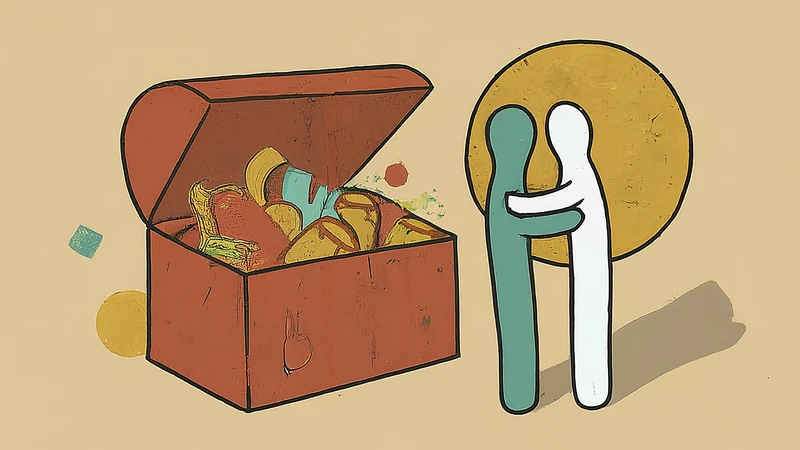
7. Chi trova un amico, trova un tesoro
Literal meaning: Who finds a friend, finds a treasure.
This beautiful proverb says so much about how deeply Italians value true friendship. It literally equates finding a good friend with finding treasure – something precious, rare, valuable, and something that makes your life richer. A loyal, supportive friend is really seen as one of the best things life can offer.
When you might hear it:
It’s often used very genuinely to express appreciation for a good friend or just to talk about the importance of friendship itself.
You might say it when introducing a very close friend: “Lei è la mia migliore amica, siamo amiche da vent’anni. È vero, chi trova un amico, trova un tesoro.” (She is my best friend, we’ve been friends for twenty years. It’s true, who finds a friend, finds a treasure.) It could be used to comfort someone who feels lonely, perhaps reminding them of the good friends they do have. Or maybe you say it when a friend really helps you out: “Grazie mille per il tuo aiuto. Chi trova un amico, trova un tesoro!” (Thank you so much for your help. Who finds a friend, finds a treasure!)
Friendship (l’amicizia) is incredibly important in Italian life, often considered just as vital as family. This proverb captures that feeling perfectly. For me, watching my students become friends while they learn Italian together is wonderful – they’re finding their own little tesori (treasures)!
8. Tra il dire e il fare c’è di mezzo il mare
Literal meaning: Between saying and doing, there is the sea.
This one points out the huge gap that often exists between talking about doing something and actually doing it. Saying you’ll do something is one thing; getting it done can be a whole different challenge, sometimes as big as crossing an entire sea. It highlights that making promises or plans is easy, but following through takes real effort and faces real obstacles. Think “Easier said than done,” but the image of the sea makes the difficulty feel much bigger.
When you might hear it:
It’s often used with a touch of skepticism or realism, especially when someone makes big, ambitious promises or plans.
Maybe someone declares, “Dice che smetterà di fumare da domani… mah, tra il dire e il fare c’è di mezzo il mare.” (He says he’ll quit smoking starting tomorrow… well, between saying and doing lies the sea.) It’s frequently used when talking about political promises: “Promettono tante cose prima delle elezioni, ma si sa, tra il dire e il fare c’è di mezzo il mare.” (They promise many things before the elections, but you know, between saying and doing lies the sea.) You might even use it as a reminder to yourself when setting a difficult goal: “Voglio imparare l’italiano in sei mesi. So che è ambizioso, tra il dire e il fare c’è di mezzo il mare, ma ci proverò!” (I want to learn Italian in six months. I know it’s ambitious, between saying and doing lies the sea, but I’ll try!)
It serves as a reality check, reminding everyone that action is what truly counts, not just words.
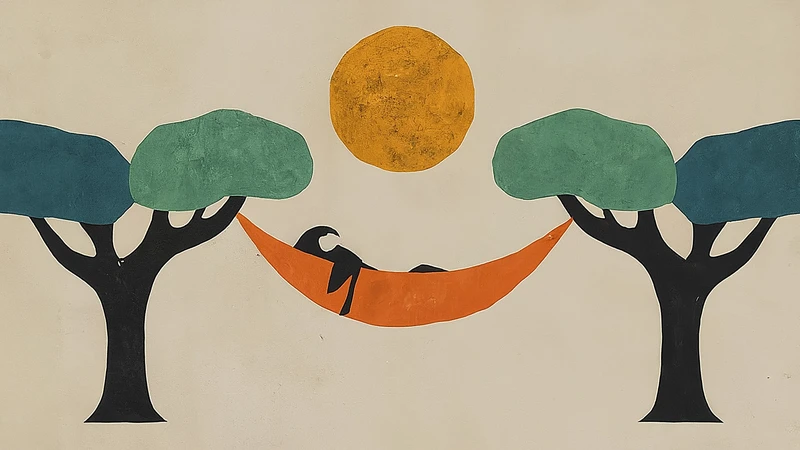
9. Dolce far niente
Literal meaning: The sweetness of doing nothing.
Ah, dolce far niente! Now, this isn’t really a proverb like the others, with a moral lesson. It’s more like a famous Italian phrase that captures a really important part of our culture: the simple, pure pleasure found in relaxing and just doing nothing. It’s not about being lazy in a negative sense. It’s about consciously enjoying moments of downtime, without feeling guilty about not being “productive,” and appreciating simple, unscheduled time.
When we use it (or just live it!):
Generally, Italians understand the importance of taking breaks from the constant rush. This phrase perfectly sums up that feeling and that practice.
You might use it to describe a lovely, relaxing afternoon spent just sitting in a piazza, watching people go by: “Cosa ho fatto oggi? Niente di speciale, un po’ di dolce far niente.” (What did I do today? Nothing special, a bit of the sweetness of doing nothing.) Or you could suggest it to a stressed-out friend: “Dovresti prenderti una pausa, goderti un po’ il dolce far niente.” (You should take a break, enjoy the sweetness of doing nothing a little.) It also helps explain the Italian approach to holidays or weekends, which often involves less rigid planning and more just enjoying the moment as it comes.
Understanding dolce far niente is quite important for getting the hang of the Italian rhythm of life, especially outside the big, busy cities. It’s about recharging your batteries, enjoying the present moment, and finding happiness in simply being. It’s something I definitely try to practice myself, even with my busy teaching schedule!
10. Amor che move il sole e l’altre stelle
Literal meaning: Love that moves the sun and the other stars.
Okay, this last one isn’t a traditional folk proverb passed down through generations. It’s actually the very famous, very beautiful final line of Dante Alighieri’s Paradiso, the last part of his epic poem, the Divine Comedy. But it’s so well-known and carries such weight that it almost functions like a proverb in Italian culture. It expresses the idea of the immense, cosmic power of love. It suggests that love (in its highest, most divine form, often interpreted as God’s love, but it can also resonate with deep human love) is the fundamental force that drives the entire universe.
When you might hear it:
Because it sounds so grand and profound, you won’t hear it in everyday chit-chat like the others. It’s usually reserved for more serious, emotional, or even poetic moments.
You might see it written in a wedding toast or an anniversary card to express the depth of romantic love. It could come up when reflecting on the powerful bonds within a family. Sometimes it appears in philosophical or spiritual discussions about the meaning of life and the forces that shape our existence. And sometimes, people just quote it because it’s a beautiful and iconic piece of Italian literature.
While you probably won’t be dropping this into conversation as often as “Chi dorme non piglia pesci,” knowing this line shows a deeper appreciation for Italian literary heritage and the cultural significance placed on the power of amore (love). It’s a truly beautiful way to express the idea that love makes the world go round.

So, Why Bother Learning Italian Proverbs?
We’ve gone through ten Italian proverbs now. You might be thinking, “Okay Giulia, that’s interesting, but do I really need to know these?” As your teacher, I’d say yes, learning them really does help! Here’s why:
- Get the Culture: Proverbs are like little windows into the Italian mindset. They show you what we value (like hard work, friendship, being realistic, enjoying life).
- Sound More Italian: Using a proverb correctly at the right moment makes your Italian sound much more natural, less like it came straight from a textbook. It shows you understand the finer points.
- Know What Italians Mean: When you hear Italians use these sayings, you’ll understand the full meaning, including all the cultural feeling behind it.
- Understand Conversations Better: Recognizing these common phrases will definitely make it easier to follow along when Italians are talking.
- And It’s Fun! Let’s be honest, some of these are pretty clever and paint fun pictures in your mind. Learning them can make studying Italian more enjoyable.
Wrapping Up
These ten proverbs are just a starting point, of course. Italy has thousands of them, and they can even change from one region to another! But these give you a really good foundation. They touch on big ideas like taking action, finding the good in bad situations, the power of getting started, being brave, facing consequences, being practical, the value of friendship, the gap between words and deeds, the importance of relaxation, and the power of love.
When you understand not just the literal translation but why we use them and when we use them, you’re learning much more than just vocabulary. You’re getting a little closer to the Italian way of seeing things.
So, try to listen out for these proverbs when you hear Italian spoken. Maybe even try using one yourself when the moment feels right! Don’t worry if you don’t get it perfect the first time; remember, non tutto il male vien per nuocere! Making mistakes is part of learning. And hopefully, you’ll discover that when it comes to learning Italian proverbs, l’appetito vien mangiando!
If you love how Italians really speak, don’t stop at reading — start with a real A1 course that gets you speaking from day one, or book a free intro lesson to get a personal plan.