Heritage language works differently from learning Italian as a foreign language: your kids absorb it through family life, not textbooks. The winning recipe is consistent exposure, fun, and identity, with formal lessons layered in at school age.
The One Rule: Immersion Through Love, Not Pressure
Children learn Italian at home when Italian is the language of:
- Routine: meals, bedtime, playtime;
- Affection: stories, songs, jokes;
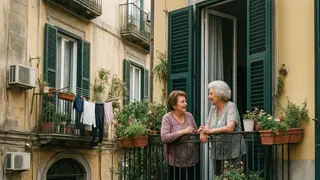
- Connection: grandparents, relatives, and family visits.
The moment Italian becomes an obligation, kids resist. Keep it rewarding and it becomes part of who they are.
Age-by-Age Strategies
0–3 (The absorbent years):
- Speak Italian consistently at home (one-parent-one-language or family-language strategies both work);
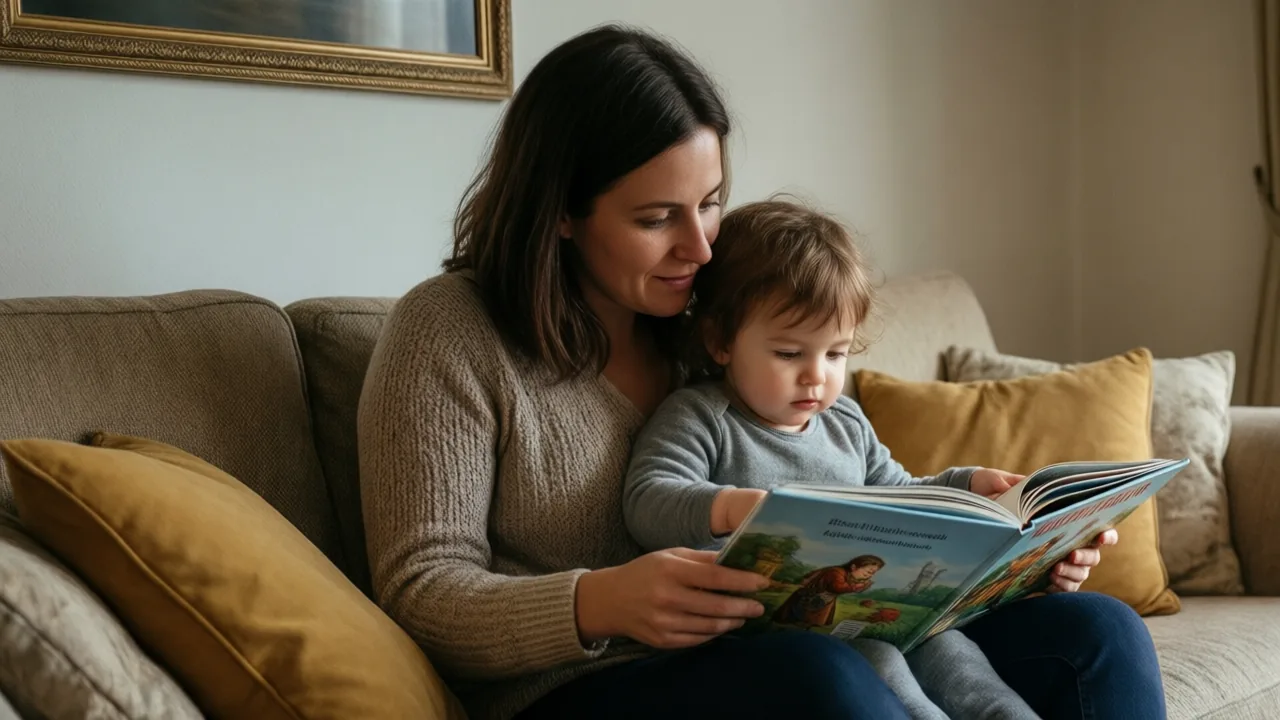
- Songs, rhymes, and picture books in Italian;
- Audio and simple Italian cartoons.
3–6 (The play years):
- Italian story time becomes a daily ritual;
- Play dates with other Italian-speaking kids;
- Keep the sounds pure: read aloud a lot. My pronunciation guide helps parents model clear sounds.
6–12 (The school years):
- Add formal lessons; reading and writing only come from structure;
- Italian media (cartoons, shows, kids’ YouTube in Italian);
- A yearly trip to Italy does more than a year of classes.
13+ (The identity years):
- Connect Italian to their identity: music, sports teams, creators, and relatives;
- Teen courses and conversation practice keep it alive;
- Respect their autonomy: frame Italian as their superpower, not their homework.
The Formal Lessons Question
Daily conversation will never teach your kids reading and writing in Italian. From age 6–7, add:
- A structured course built for heritage learners;
- Consistent weekly practice with a teacher who speaks Italian;
- Resources at their actual level.
This is where professional guidance pays off: a teacher who understands heritage kids (not just foreign-language learners) makes the difference.
Keeping Motivation High
- Make it social: Italian-speaking friends and family;
- Make it fun: games, songs, shows, and apps in Italian;
- Make it theirs: let them choose Italian content they love;
- Travel when you can: Italy is the ultimate motivator;
- Celebrate identity: “you speak a language most people can’t” beats any grade.
When Kids Resist (And It’s Normal)
Almost every heritage child goes through phases of refusing. The response is the same every time:
- Never punish or pressure: it turns Italian into a chore;
- Keep exposure gentle: Italian media stays on in the background;
- Find their “hook”: a favourite Italian singer, team, or show;
- Let relatives help: grandparents are the most powerful motivators of all.
Patience wins. Identity and love do the heavy lifting, not drills.
Frequently Asked Questions
How do I teach Italian abroad?
Speak it consistently at home, read daily, use Italian media, keep it fun, and add formal lessons at school age.
What age is best to start?
From birth if possible; every age works, but early exposure builds the most natural sound system.
What if my child refuses to speak Italian?
Normal. Make Italian rewarding, not required; pressure backfires.
Should my child take formal lessons?
Yes from age 6–7; reading and writing only come from structure.
How do I keep Italian strong in the teen years?
Connect it to identity: music, travel, relatives, and autonomy.
Want to give your kids the gift of Italian?
My free 10-lesson Italian crash course is a fun start for the whole family, no sign-up and no pressure. For heritage-language lessons for your kids, message me on WhatsApp.
Start the free crash course or chat with me on WhatsApp.
Buon viaggio on your family’s Italian journey! 🇮🇹