Ciao! I’m Julia, an Italian native and language teacher. And let me tell you, if there’s one thing Italians love to talk about almost as much as they love to eat, it’s food. It’s woven into our culture, our families, our daily lives. When people think of Italian food, often pasta and pizza spring to mind immediately. And yes, we adore them! But Italian cuisine is so much more than that. It’s incredibly diverse, surprisingly simple, and fiercely regional.
What many people outside Italy don’t realize is that there isn’t just one “Italian food.” Cooking in Sicily is vastly different from cooking in Piedmont or Veneto. Each region has its own history, its own local ingredients, and its own traditions that make its food unique. The secret isn’t complicated recipes; it’s about fresh, high-quality ingredients treated with respect.
So, forget the clichés for a moment. Come with me on a little journey through the real flavors of Italy. I want to share some of the dishes, traditions, and maybe even some secrets that make our culinary world so special. Think of this as a conversation, like we’re sitting at a trattoria table together. Andiamo!
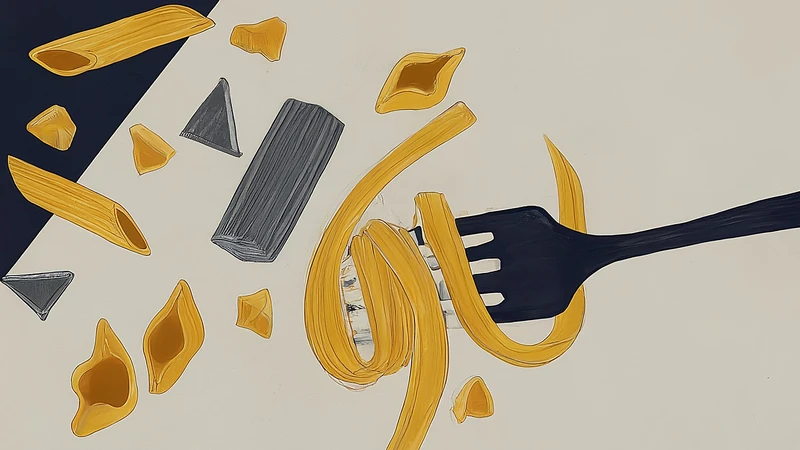
1. Pasta: More Than Just Spaghetti
Okay, let’s start with pasta. It truly is central to Italian eating, often served as the primo piatto (first course) in a traditional meal. But the world of pasta is huge!
First, there’s a big difference between pasta secca (dried pasta, usually factory-made from durum wheat and water, common in the South) and pasta fresca (fresh pasta, often made with eggs, typical of the North). My nonna, like many Italian grandmothers, used to make fresh pasta almost every Sunday. Rolling out the dough, cutting shapes like tagliatelle or filling ravioli or tortellini wasn’t just cooking; it was a ritual, a way to show love. You can taste that difference.
While spaghetti is famous, every region has its champions. In Rome, you absolutely have to try the four iconic pasta dishes:
- Carbonara: Made with guanciale (cured pork jowl, not bacon!), pecorino romano cheese, fresh eggs, and black pepper. Please, per favore, never with cream! That’s a big no-no for Romans.
- Amatriciana: Guanciale again, Pecorino Romano, and tomato. Simple, intense flavor.
- Cacio e Pepe: Just Pecorino Romano, black pepper, and some starchy pasta water to make it creamy. Sounds simple, but getting the perfect emulsion takes practice.
- Gricia: Basically Amatriciana without the tomato – the ancestor of the others.
Head north to Liguria, and you find trofie al pesto, short, twisted pasta coated in vibrant green basil pesto made with pine nuts, garlic, Parmesan, Pecorino Sardo, and Ligurian olive oil. Go to Emilia-Romagna, the land of tagliatelle al ragù (the real Bolognese sauce, a slow-cooked meat sauce, very different from what’s often served abroad) and filled pastas like tortellini in brodo (tiny pasta parcels served in a rich broth, especially at Christmas).
Down south in Puglia, you’ll eat orecchiette (“little ears”) often served with cime di rapa (broccoli rabe), a slightly bitter green that balances perfectly with garlic, chili, and anchovy. In Sicily, pasta alla Norma with eggplant, salted ricotta, tomato, and basil is a classic.
A couple of tips I always give my students:
- Cook pasta al dente (to the tooth). It should still have a slight bite. Mushy pasta is a tragedy! We need that texture.
- Never rinse cooked pasta under cold water unless it’s for a cold pasta salad. You wash away the starch that helps the sauce cling beautifully.
- Match the sauce to the shape! Long, thin pasta like spaghetti works well with oil-based or light tomato sauces. Shapes with holes or ridges, like penne or rigatoni, are great for chunkier sauces. Flat, wide pasta like pappardelle loves rich, meaty ragù.
- And please, don’t break your spaghetti before cooking! It’s just… not done.
2. Pizza: The Real Deal from Naples and Beyond
Ah, pizza. Another global superstar with Italian roots. But the pizza you get in Italy might surprise you if you’re used to international versions.
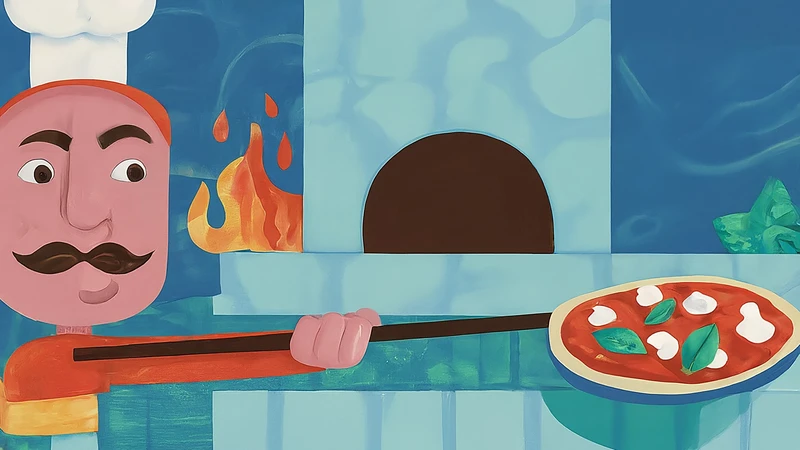
The birthplace of pizza as we know it is Naples. Neapolitan pizza is serious business – there’s even an association (AVPN) that certifies pizzerias adhering to strict rules. The dough is made with just flour, water, yeast, and salt, hand-stretched (never rolled!), and cooked for just 60-90 seconds in a blistering hot wood-fired oven (around 485°C or 905°F). The result is a pizza that’s soft, foldable, with a slightly charred, puffy crust called cornicione.
The classic Margherita (named, legend says, after Queen Margherita of Savoy in 1889) is simplicity itself: San Marzano tomatoes, fresh mozzarella di bufala (or fior di latte), fresh basil, and a drizzle of olive oil. The colors represent the Italian flag. Another Neapolitan classic is the Marinara, even simpler: tomato, garlic, oregano, and olive oil (no seafood, despite the name!).
But pizza isn’t just Neapolitan! In Rome, you’ll find pizza tonda romana, which is very thin, large, and crispy (scrocchiarella, as they say). It’s a different experience altogether. Then there’s pizza al taglio (pizza by the slice), sold in bakeries and special shops all over Italy. It’s usually baked in large rectangular trays and sold by weight. Toppings can be anything from simple pizza bianca (just olive oil and salt, sometimes rosemary) or pizza rossa (just tomato sauce) to elaborate combinations with vegetables, cheeses, and meats. It’s perfect for a quick, casual lunch.
In Sicily, you might find sfincione, a thick, spongy, focaccia-like pizza often topped with tomatoes, onions, anchovies, and caciocavallo cheese.
What you probably won’t find in traditional Italian pizzerias: pineapple (definitely not!), chicken as a topping, or excessive amounts of cheese and toppings piled high. Italian pizza focuses on balance and the quality of each ingredient.
Going to a pizzeria in Italy is also a social event. It’s often a casual, noisy place where families and friends gather for a relaxed meal. You usually order a whole pizza per person and eat it with a knife and fork (though folding a slice Neapolitan-style is acceptable too!). And it’s almost always washed down with beer or a simple wine.
3. Risotto, Polenta, and the Comforts of Northern Italy
Let’s head north. While the South is often about tomatoes and olive oil, Northern Italian cuisine relies more on butter, cream, rice, cornmeal (polenta), and rich meats. The climate and history (influences from France, Austria, Switzerland) shape the food here.
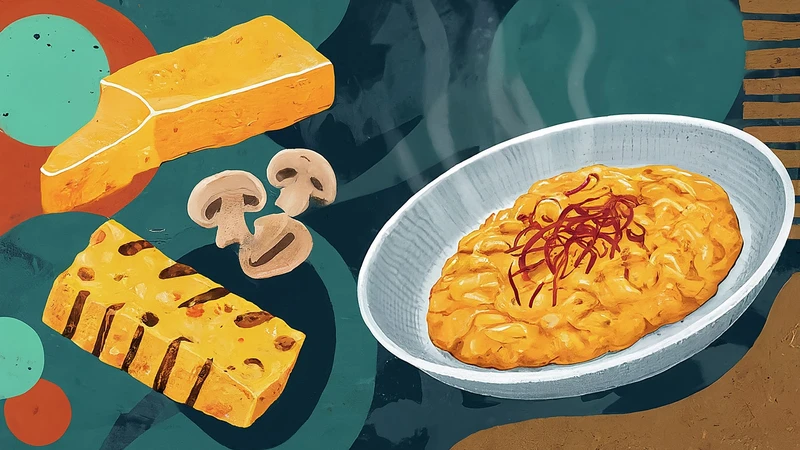
Risotto is perhaps the most famous Northern dish. It’s not just boiled rice; it’s an art form! You use specific short-grain rice varieties like Arborio, Carnaroli, or Vialone Nano, which release starch during cooking, creating that signature creamy texture without necessarily needing much cream. The process involves toasting the rice (tostatura), then gradually adding hot broth, stirring constantly, until it’s cooked al dente (yes, rice too!).
The most iconic is probably Risotto alla Milanese, from Milan, Lombardy. Its gorgeous yellow color comes from saffron, and it’s traditionally finished with butter and Parmesan cheese in a process called mantecatura, which makes it extra creamy and flavourful. It’s often served with Osso Buco (braised veal shanks). Other amazing risottos include Risotto ai Funghi (with mushrooms, especially porcini) and Risotto al Tartufo (with truffles, a specialty of Piedmont).
Another staple of the North, especially in regions like Veneto, Lombardy, and Trentino-Alto Adige, is polenta. Made from cornmeal, it was once peasant food but is now celebrated in many forms. It can be served soft and creamy, almost like porridge, often alongside stews (brasato al Barolo, beef braised in Barolo wine, is a classic pairing), sausages, or cheese. Or, it can be left to cool, cut into slices, and then grilled or fried until crispy. Polenta concia is enriched with lots of cheese (like Fontina from Valle d’Aosta) and butter – pure mountain comfort food!
The North also gives us amazing cheeses like Gorgonzola, Taleggio, and Parmigiano Reggiano (though its production area spans into Emilia-Romagna, often considered central). We also find dishes like Canederli (bread dumplings) in Trentino-Alto Adige, Vitello Tonnato (cold sliced veal with a creamy tuna sauce) in Piedmont, and freshwater fish dishes from the great lakes like Garda and Como. And let’s not forget the aperitivo culture, particularly strong in cities like Milan, where pre-dinner drinks come with generous snacks.
Planning a trip? Get ready to order food and chat with locals! My Italian crash course for travelers is designed to give you the essential phrases you need for your vacation.
4. Sunshine on a Plate: Seafood and Flavors of Southern Italy
Travelling south, the landscape changes, and so does the food. Southern Italy (including regions like Campania, Puglia, Calabria, Basilicata, and the islands of Sicily and Sardinia) is bathed in sunshine, surrounded by the Mediterranean Sea, and its cuisine reflects this. Think olive oil, vibrant vegetables (tomatoes, eggplants, peppers, zucchini), legumes, aromatic herbs, and of course, fantastic seafood.
The long coastline means fish and shellfish are staples. Dishes are often simple, focusing on the freshness of the ingredients. One of my absolute favourites is spaghetti alle vongole (spaghetti with clams), typically made with just garlic, olive oil, white wine, parsley, and tiny, sweet clams. It tastes like the sea.
Another classic is fritto misto di mare, a mix of lightly battered and fried small fish, shrimp, and calamari, served hot and crispy with just a squeeze of lemon. Simple perfection. In Campania, the region around Naples, you find bold flavors in dishes like spaghetti alla puttanesca, a punchy sauce of tomatoes, olives, capers, anchovies, and garlic. Legend has it the name (literally “spaghetti in the style of a prostitute”) comes from its quick preparation or its fiery nature!
Sicily, with its rich history of Greek, Arab, and Norman influences, has a particularly distinctive cuisine. Pasta con le sarde (pasta with sardines, wild fennel, pine nuts, and raisins) is a unique sweet-and-savory combination. Caponata, a sweet and sour eggplant relish, is a fantastic antipasto (starter) or contorno (side dish). And you can’t talk about Sicily without mentioning arancini, fried rice balls filled with ragù, cheese, or other ingredients – amazing street food.
Puglia, the heel of Italy’s boot, is famous for its orecchiette con le cime di rapa, but also for its incredible seafood, sometimes served raw (crudo di mare) – a testament to its freshness. Calabria is known for its spicy flavours, thanks to the local peperoncino (chili pepper), which finds its way into many dishes, including the spreadable pork sausage called ’nduja.
Throughout the South, vegetables reign supreme. Parmigiana di melanzane (eggplant parmesan), layers of fried eggplant, tomato sauce, mozzarella, and basil baked to perfection, is comfort food heaven. Making passata di pomodoro (tomato puree) at the end of summer is still a cherished family tradition in many parts of the South, preserving the taste of sunshine for the winter months.

5. Dolce Vita: Italy’s Sweet Side
No Italian meal feels truly complete without something sweet, un dolce. And Italian desserts are often less heavy and sugary than in some other countries, focusing again on quality ingredients and sometimes surprising simplicity.
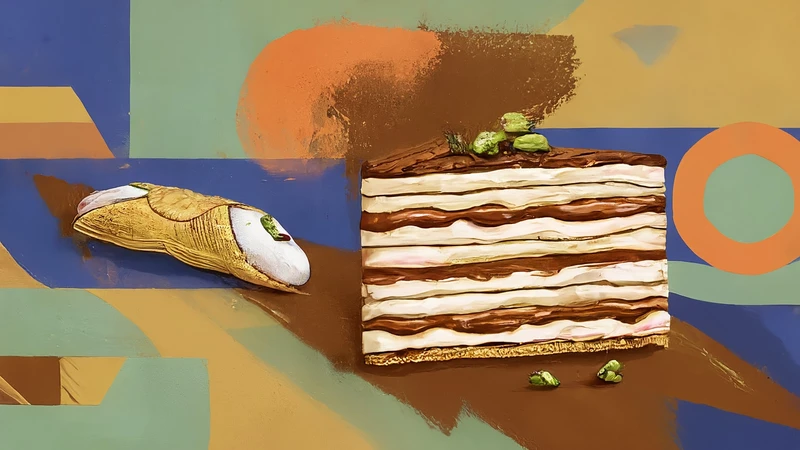
Probably the most famous Italian dessert worldwide is tiramisù. Meaning “pick me up,” it’s a relatively modern invention (likely from the Veneto region in the 1960s or 70s). Layers of coffee-soaked savoiardi (ladyfinger biscuits) and creamy mascarpone cheese, dusted with cocoa powder. It’s simple but sublime when done right.
From Sicily come cannoli, crispy fried pastry tubes filled with sweetened ricotta cheese, often studded with candied fruit, chocolate chips, or pistachios. Making perfect cannoli shells is an art! Sicily also gives us cassata, a rich sponge cake soaked in liqueur, layered with ricotta filling, covered in marzipan, and decorated with candied fruits.
Gelato deserves a special mention. It’s not just Italian ice cream! Authentic gelato has less butterfat and less air incorporated (overrun) than typical ice cream, resulting in a denser texture and more intense flavor. Walking around an Italian town in the evening, enjoying a passeggiata with a cone of artisanal gelato (flavors like pistacchio, nocciola (hazelnut), stracciatella (vanilla with chocolate shavings), or seasonal fruit sorbets) is a quintessential Italian experience.
Then there are regional and seasonal specialties. Around Christmas, we have Panettone (a sweet bread loaf with candied fruit and raisins, originally from Milan) and Pandoro (a star-shaped sweet bread from Verona, usually dusted with powdered sugar). For Easter in Naples, there’s Pastiera Napoletana, a ricotta and cooked wheat tart flavored with orange blossom water. Tuscany offers Cantucci (almond biscuits, perfect for dipping in Vin Santo dessert wine) and Torta della Nonna (“Grandmother’s Cake,” a custard-filled tart topped with pine nuts). In Piedmont, try Bonet, a chocolate and amaretti custard pudding.
And let’s not forget coffee! Italians typically enjoy dessert with an espresso, or maybe a digestivo like Limoncello (lemon liqueur, especially from the South), Amaro (bitter herbal liqueur), or Grappa (pomace brandy). Just remember the Italian “rule” – milky coffees like cappuccino or latte macchiato are generally only for breakfast!
Curious about the phrase ‘La Dolce Vita’? It means ’the sweet life’ and captures a certain Italian spirit. I wrote about its origins and what it really means to us. You can read about La Dolce Vita here!
So, What’s the Real Taste of Italy?
As you can see, Italian cuisine is a vast and delicious world. It’s about celebrating regional differences, using the best ingredients the season offers, and keeping things relatively simple to let those flavors shine. It’s about traditions passed down through families, the joy of gathering around a table, and taking the time to truly savor your food.
From the perfect plate of pasta cooked al dente to a slice of authentic Neapolitan pizza, from a comforting bowl of risotto or polenta in the north to the sun-drenched flavors and fresh seafood of the south, and ending with a delightful dolce like tiramisu or gelato – every bite tells a story.
I hope this little tour has given you a deeper appreciation for what Italian food is all about, beyond the common stereotypes. The best way to truly understand it, of course, is to taste it – ideally in Italy, exploring different regions! But even trying authentic recipes at home, focusing on good ingredients, can bring a taste of Italy to your kitchen.
Let me know what your favourite Italian dishes are, or if there’s anything you’re curious to try!
Buon appetito!