Ciao! As an Italian native and language teacher, one thing I absolutely love sharing is my passion for Italian food. It’s so much more than just fuel; it’s history, family, tradition, and pure joy packed onto a plate. When you understand our food, you understand a huge part of Italian culture. Forget those generic descriptions you might read elsewhere; I want to take you on a real journey, the kind where you can almost smell the basil and hear the pasta bubbling away.
Italian cuisine isn’t one single thing. It changes dramatically as you travel from the Alps down to Sicily. What unites it all is a deep respect for fresh, high-quality ingredients and cooking methods that have been passed down through generations, often within families. Let’s explore some of the cornerstones of our culinary world together.
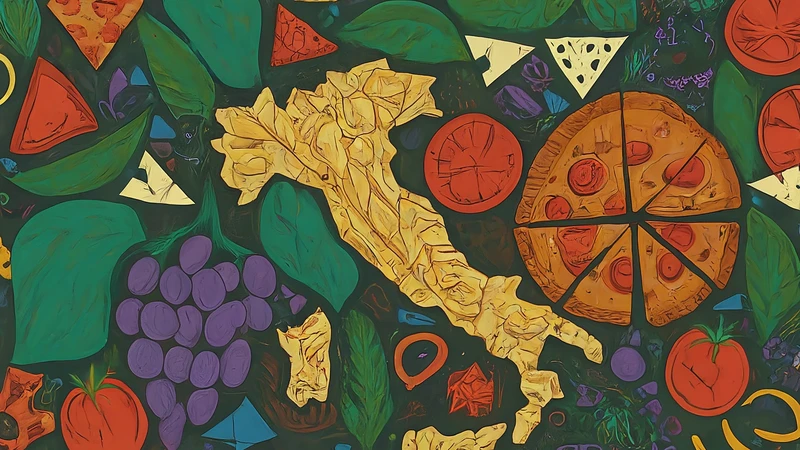
1. The Heart of Italy: The Art of Pasta
When people think of Italian food, pasta is probably the first thing that comes to mind. And for good reason! It’s fundamental to our way of eating. But it’s not just one dish; it’s hundreds, maybe thousands, of different shapes, sauces, and traditions.
Regional Pasta Wonders
Every region, sometimes even every town, has its own special pasta. In Emilia-Romagna, my heart sings for tagliatelle al ragù – fresh egg pasta ribbons coated in a rich, slow-cooked meat sauce (what foreigners often call Bolognese, but the real thing is deeper, less tomatoey). Making fresh egg pasta by hand, rolling it out thin with a long mattarello (rolling pin), is something many Italian nonne (grandmothers) still do. It takes patience, skill, and love.
Head south to Puglia, and you’ll find orecchiette con cime di rapa. These “little ears” pasta shapes are perfect for catching the slightly bitter greens and savory garlic and anchovy sauce. It’s a simple dish, born from cucina povera (peasant cooking), but bursting with flavour. In Rome, you can’t miss the “holy trinity” of pasta: Carbonara (guanciale, eggs, Pecorino Romano, black pepper – no cream!), Amatriciana (guanciale, tomato, Pecorino Romano), and Cacio e Pepe (Pecorino Romano and black pepper). Each seems simple, but achieving the perfect creamy emulsion without cream takes practice.
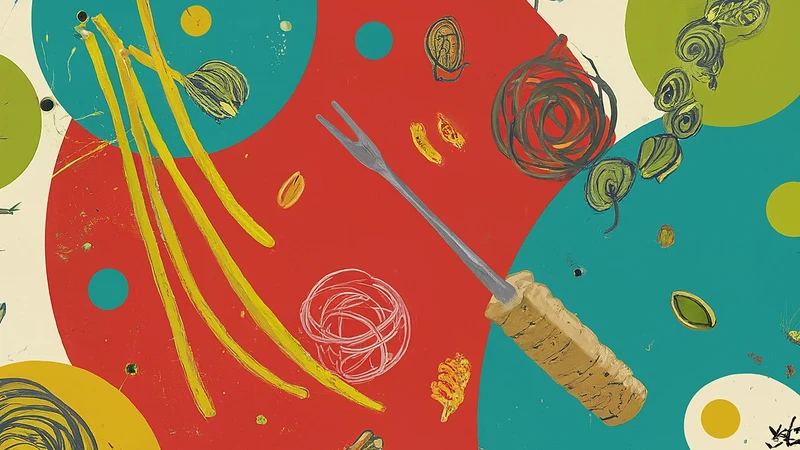
Fresh vs. Dried Pasta
We use both fresh pasta (pasta fresca) and dried pasta (pasta secca). Fresh pasta, often made with eggs, is typical of Northern and Central Italy. It cooks quickly and has a tender bite. Dried pasta, usually made with just durum wheat semolina and water, is more common in the South. It’s the kind you buy in packets and it should be cooked al dente.
What does “al dente” really mean?
This is crucial! Al dente literally means “to the tooth.” It means the pasta should still have a slight bite in the center. It shouldn’t be mushy or completely soft. Cooking pasta al dente is not just about texture; it’s also better for digestion. We usually finish cooking the pasta for the last minute or so in the sauce, adding a little pasta water to help create a creamy coating that clings to every piece. This is a key technique!
For me, pasta is Sunday lunch with family, the comforting smell filling the house. It’s a quick meal after work, but always made with care. It’s truly the soul of Italian cooking.
2. Pizza: From Naples with Love
Ah, pizza! Another world-famous Italian creation. While you can find pizza everywhere now, its true home is Naples. Neapolitan pizza is something special, so much so that it’s protected by UNESCO as an Intangible Cultural Heritage of Humanity.
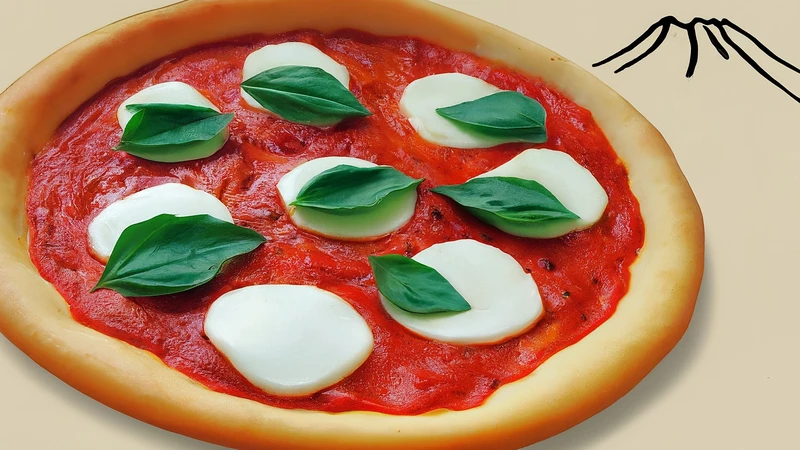
The Neapolitan Pizza Rules
Making authentic Pizza Napoletana is serious business. There’s even an official disciplinare (set of rules) from the Associazione Verace Pizza Napoletana (AVPN) that dictates everything:
- Dough: Must be made with only water, salt, yeast, and highly refined Italian type “00” or “0” flour. It needs to rise for several hours.
- Shaping: Must be shaped by hand (no rolling pins!). This pushes air to the edge, creating the characteristic puffy crust called cornicione.
- Toppings: Only specific ingredients are allowed for the classic Margherita (San Marzano tomatoes, olive oil, fresh mozzarella – either fior di latte made from cow’s milk or mozzarella di bufala from water buffalo milk – fresh basil) and Marinara (San Marzano tomatoes, olive oil, oregano, garlic).
- Baking: Must be cooked in a wood-fired oven at a very high temperature (around 485°C / 905°F) for just 60-90 seconds.
The result is a pizza that’s soft, foldable, slightly charred, with a soupy center and that incredible puffy crust. Eating a real Neapolitan pizza in Naples is an experience everyone should have!
Beyond Naples: Other Pizza Styles
Of course, Italy has other pizza styles too! In Rome, you’ll find pizza al taglio (pizza by the slice). This is usually baked in large rectangular pans, has a thicker, focaccia-like crust, and comes with a huge variety of toppings. You pay by weight – a peso. It’s perfect for a quick lunch or snack.
Then there’s pizza Siciliana, particularly the Sfincione from Palermo. This is more like a thick, spongy bread topped with tomatoes, onions, anchovies, and sometimes caciocavallo cheese and breadcrumbs. Very different from Neapolitan pizza, but equally delicious.
Pizza in Italy is often eaten for dinner, usually on Saturdays, often with friends. It’s a social food, meant to be shared and enjoyed together.
3. Risotto, Polenta, and the Richness of the North
Moving north, the culinary landscape changes. Butter, cream, cheese, rice, and polenta become more prominent than olive oil and pasta in some areas.
The Creamy Dream: Risotto
Risotto is a classic Northern Italian dish, particularly from regions like Lombardy, Piedmont, and Veneto. Making a good risotto requires patience and technique. You start by toasting the rice (special varieties like Arborio, Carnaroli, or Vialone Nano are essential) in butter or oil with onions (soffritto). Then, hot broth is added gradually, ladle by ladle, stirring constantly. This slow process allows the rice to release its starch, creating that signature creamy texture without necessarily adding much cream.
The final step is called mantecatura, where you vigorously stir in cold butter and grated Parmigiano Reggiano off the heat to make it even creamier and richer.
Famous risottos include:
- Risotto alla Milanese: Flavored with saffron, giving it a beautiful golden color, often served with ossobuco (braised veal shank).
- Risotto ai Funghi Porcini: Made with delicious wild porcini mushrooms, especially popular in autumn.
- Risotto al Barolo: A Piedmontese specialty made with robust Barolo red wine.
- Risi e Bisi: A Venetian soupy risotto with fresh peas, traditionally eaten for the Feast of St. Mark.
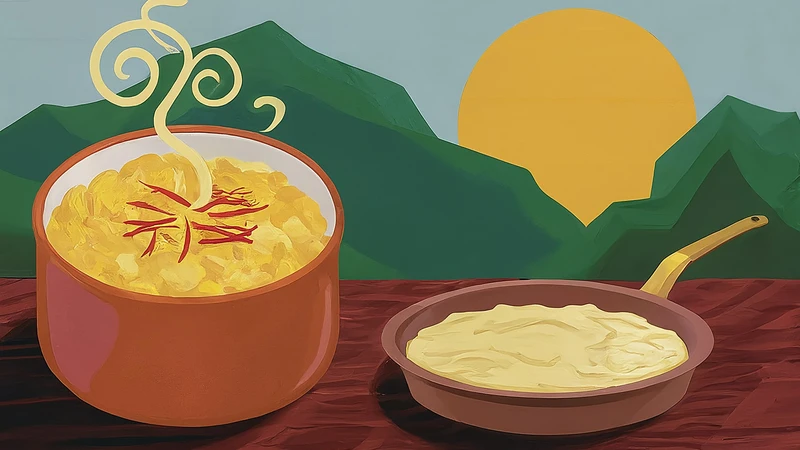
Polenta: Humble Cornmeal Gold
Polenta, essentially cornmeal mush, was once a staple food for the poor in Northern Italy, especially in the mountains. Today, it’s appreciated by everyone and served in many ways. Traditionally, it’s cooked slowly in a copper pot (paiolo), stirred constantly for 40-50 minutes. Instant versions are available, but the slow-cooked one has a deeper flavour.
Polenta can be served soft and creamy, often alongside stews like spezzatino (beef stew), sausages, mushrooms, or rich cheese sauces (polenta concia). It can also be left to cool, then sliced and grilled, fried, or baked. Polenta taragna, typical of the Valtellina area, is made with a mix of cornmeal and buckwheat flour, enriched with local cheese like Casera. It’s incredibly hearty and satisfying, perfect for cold weather.
Northern Italy also boasts amazing cheeses like Gorgonzola, Taleggio, Fontina, and Asiago, as well as world-class cured meats like Prosciutto di San Daniele and Speck Alto Adige.
4. Sun, Sea, and Flavour: Southern Italian Cuisine
Heading south, the cooking gets brighter, spicier, and heavily influenced by the Mediterranean Sea and centuries of cultural exchange. Think sun-ripened tomatoes, glossy eggplants, fragrant lemons, abundant seafood, and, of course, excellent olive oil.
Seafood Stars
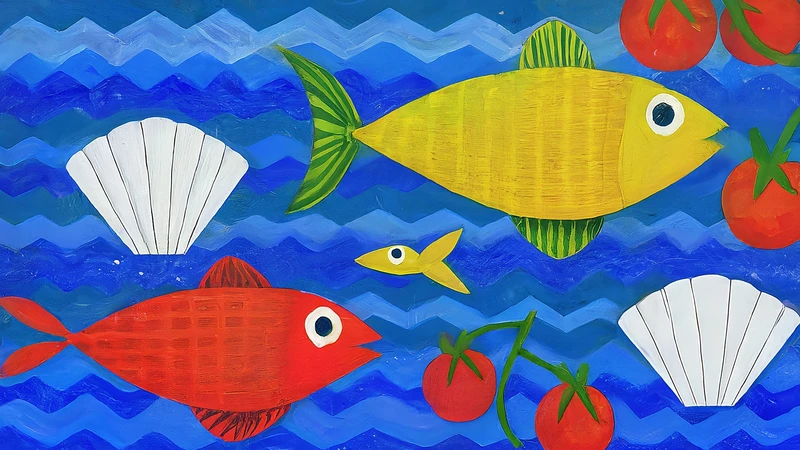
With such a long coastline, seafood (frutti di mare) is king in many southern regions like Campania, Puglia, Calabria, and Sicily.
- Spaghetti alle Vongole: A Neapolitan classic featuring spaghetti with tiny, sweet clams, garlic, white wine, parsley, and sometimes cherry tomatoes. The key is the flavourful broth released by the clams.
- Fritto Misto: A glorious mix of fried seafood, often including small fish, shrimp, calamari, and sometimes vegetables like zucchini. Eaten hot and crisp, usually with just a squeeze of lemon.
- Pesce all’Acqua Pazza: Literally “fish in crazy water,” this simple Neapolitan dish involves poaching white fish (like sea bass or bream) with cherry tomatoes, garlic, parsley, and olive oil. Light and delicious.
- Zuppa di Pesce: Fish soup, with countless regional variations. Some are brothy, others thick and stew-like, often featuring a mix of fish, shellfish, and crustaceans, simmered in a tomato broth. Sicily’s Couscous di Pesce from Trapani is a unique example influenced by North Africa.
Vegetable Delights and Pasta Again!
Southern Italy is a paradise for vegetable lovers. Dishes like Parmigiana di Melanzane (baked eggplant slices layered with tomato sauce, mozzarella, Parmigiano, and basil) are iconic. Pasta alla Norma, a Sicilian masterpiece, combines pasta (usually maccheroni) with fried eggplant, rich tomato sauce, salted ricotta cheese (ricotta salata), and basil.
And let’s not forget Spaghetti alla Puttanesca, a punchy Neapolitan sauce made with tomatoes, olives, capers, garlic, and anchovies. The name is a bit racy (“prostitute’s style spaghetti”), with various stories about its origins, but the flavour is undeniably bold and satisfying. Puglia’s Orecchiette con Cime di Rapa, mentioned earlier, is another star of Southern plant-based cooking.
Southern Italy is also home to amazing mozzarella di bufala (especially from Campania), creamy burrata (from Puglia), intensely flavoured San Marzano tomatoes, fragrant lemons (think Sorrento and the Amalfi Coast), and the fiery kick of peperoncino (chili pepper), especially in Calabria.
5. Sweet Endings: Dolci and the Sweet Life
No Italian meal is complete without something sweet, even if it’s just some fresh fruit or a small piece of dark chocolate. But we also have a fantastic repertoire of dolci (desserts and sweets).
Famous Italian Desserts
- Tiramisù: Probably the most famous Italian dessert worldwide. Layers of coffee-soaked ladyfingers (savoiardi) and a rich cream made with mascarpone cheese, eggs, and sugar, dusted with cocoa powder. Its origins are debated (Veneto or Friuli-Venezia Giulia), but its deliciousness is undisputed. I remember my nonna making huge trays of this for family gatherings.
- Cannoli Siciliani: Crispy fried pastry tubes filled with a sweet, creamy ricotta cheese mixture, often studded with chocolate chips, candied fruit, or pistachios. A true taste of Sicily.
- Panna Cotta: Meaning “cooked cream,” this elegant dessert from Piedmont is simply sweetened cream set with gelatin, often served with fruit coulis or caramel sauce.
- Gelato: Italian ice cream! Real artisanal gelato is denser, smoother, and often has more intense flavours than typical ice cream because it contains less air and less fat. Walking through an Italian town in summer, getting a cono (cone) or coppetta (cup) of gelato is a ritual. Look for places where the gelato isn’t piled high in bright, unnatural colours – those are often tourist traps. True artisanal gelato often uses seasonal ingredients.

Sweets for Celebrations
Many Italian sweets are tied to specific holidays or celebrations:
- Christmas: Panettone (a tall, dome-shaped sweet bread with candied fruit and raisins, originally from Milan) and Pandoro (a star-shaped, plain sweet bread dusted with powdered sugar, from Verona) dominate the festive season.
- Easter: Colomba Pasquale (a dove-shaped sweet bread similar to panettone, often with almonds and candied orange peel) and Pastiera Napoletana (a ricotta and cooked wheat berry tart from Naples).
- Carnival: Chiacchiere (or frappe, bugie – depending on the region) are thin strips of fried dough dusted with powdered sugar.
And of course, a meal often ends with caffè – usually a strong espresso served in a small cup. It’s considered essential for digestion!
More Than Just Recipes: The Italian Food Culture
As you can see, Italian food is incredibly diverse and deeply connected to the land and its history. But it’s also about how we eat. Meals are important moments to connect with family and friends. We take our time, we talk, we enjoy the food and the company. Lunch, especially on Sundays, can be a long, multi-course affair.
Using seasonal ingredients is fundamental. We eagerly await the arrival of asparagus in spring, ripe tomatoes in summer, mushrooms and pumpkins in autumn. This respect for seasonality means the food always tastes its best.
Simplicity is often key. Many iconic Italian dishes have just a few ingredients, but they are the best quality ingredients, allowed to shine without too much fuss. It’s about balance and letting the natural flavours speak for themselves.
I hope this journey has given you a deeper appreciation for what Italian food is all about. It’s a vital part of our identity, a source of immense pride, and something I love sharing with my students. Understanding our food culture is a wonderful way to connect more deeply with the Italian language and way of life.
So, next time you eat Italian food, whether it’s pasta, pizza, or gelato, think about the story behind it, the region it comes from, and the care that went into making it. And maybe, try making some of these dishes yourself! It’s a delicious way to practice your Italian vocabulary too. Buon appetito!