Ciao! I’m Julia, and as you know, I teach Italian. But today, I want to share something else I love deeply: Italy itself, especially the places that aren’t always splashed across postcards. Everyone knows Rome, Florence, Venice – and they are incredible, certo. But Italy has so much more to offer, corners full of history, beauty, and authentic life that you might miss if you only stick to the main routes.
I grew up exploring Italy, and over the years, I’ve found some spots that truly capture the country’s spirit in a different way. These are places where you can slow down, connect with the local culture, and maybe even practice your Italian in a more relaxed setting! So, I’ve put together a list of 10 destinations in Italy that I think are special. They might be a bit off the usual tourist track, but trust me, they are worth the detour. Let’s explore them together.
1. Matera: Stepping Back in Time
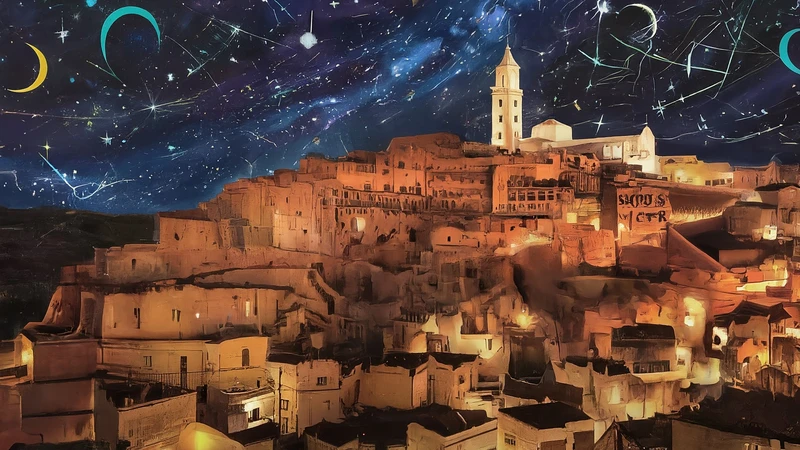
Matera, located in the southern region of Basilicata, is simply unique. It’s famous for its Sassi, ancient cave dwellings carved directly into the rock. When I first visited, walking through the Sassi felt like stepping onto a historical film set. It’s a UNESCO World Heritage site, and you can really feel the weight of history here – people have lived in these caves for thousands of years, making it one of the oldest continuously inhabited settlements in the world!
Imagine wandering through narrow, winding alleys, discovering churches cut into the cliffs (chiese rupestri), and seeing houses stacked one on top of the other. The view, especially at sunset when the lights twinkle on, is something you won’t forget.
What to do in Matera:
- Explore the Sassi: There are two main Sassi districts, Sasso Caveoso (more ancient-feeling) and Sasso Barisano (more restored, with shops and restaurants). Get lost in both!
- Visit a Casa Grotta: See how people lived in these cave houses until the 1950s. Several are set up as small museums. It’s quite humbling.
- Discover Rock Churches: Seek out churches like Santa Maria de Idris or the Convicinio di Sant’Antonio. The frescoes inside are often surprisingly well-preserved.
- Enjoy the Views: Find a viewpoint (belvedere) across the ravine for that classic Matera panorama. The Belvedere Luigi Guerricchio is a popular one.
- Try Local Food: Basilicata has hearty, rustic cuisine. Look for pane di Matera (a special sourdough bread), orecchiette pasta, and local cheeses and cured meats.
My Tip: Wear comfortable shoes! The stone streets are uneven and there are lots of stairs. Also, consider hiring a local guide for a couple of hours; they can share stories and point out details you might otherwise miss. Matera was the European Capital of Culture in 2019, so it’s become more known, but it still retains its incredible atmosphere.
2. Urbino: A Renaissance Jewel Box
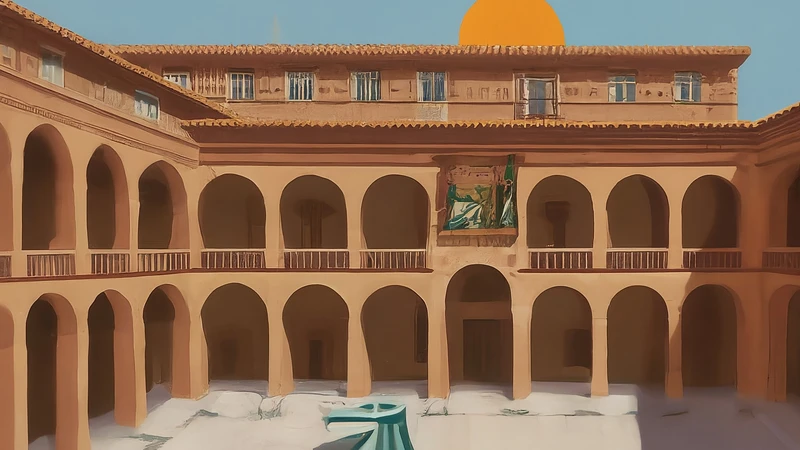
Tucked away in the hills of the Marche region, Urbino is a town that feels like it’s been perfectly preserved from the Renaissance. It’s another UNESCO World Heritage site, largely thanks to its magnificent Palazzo Ducale. This palace isn’t just a building; it was the court of Duke Federico da Montefeltro, a major center of culture in the 15th century.
Walking through Urbino feels refined and inspiring. The town is built on steep hills, offering lovely views of the surrounding countryside. It’s also a university town, so there’s a youthful energy alongside the historical weight.
What makes Urbino special:
- Palazzo Ducale: This is the main attraction. Inside, you’ll find the Galleria Nazionale delle Marche, housing masterpieces by artists like Raphael (who was born in Urbino!), Piero della Francesca, and Titian. Don’t miss the Duke’s studiolo, an intimate room with incredible inlaid wood panels (intarsia).
- Raphael’s Birthplace (Casa Natale di Raffaello): You can visit the house where the great painter Raphael was born. It’s a simple house, but it’s quite moving to stand where he grew up.
- Duomo di Urbino: The cathedral has a more neoclassical look due to rebuilding after an earthquake, but it’s still impressive.
- Wander the Streets: Just walk around. The brick buildings, steep cobbled lanes, and archways are beautiful. You’ll find charming corners and viewpoints everywhere.
- Taste Crescia: Try the local flatbread called crescia sfogliata, often served with cold cuts, cheese, or cooked greens. It’s delicious!
My Tip: Urbino is hilly! Again, comfortable shoes are a must. Take your time, soak in the atmosphere. It’s less crowded than Florence, offering a more intimate experience with Renaissance art and architecture.
3. Polignano a Mare: Cliffs, Caves, and Crystal Water
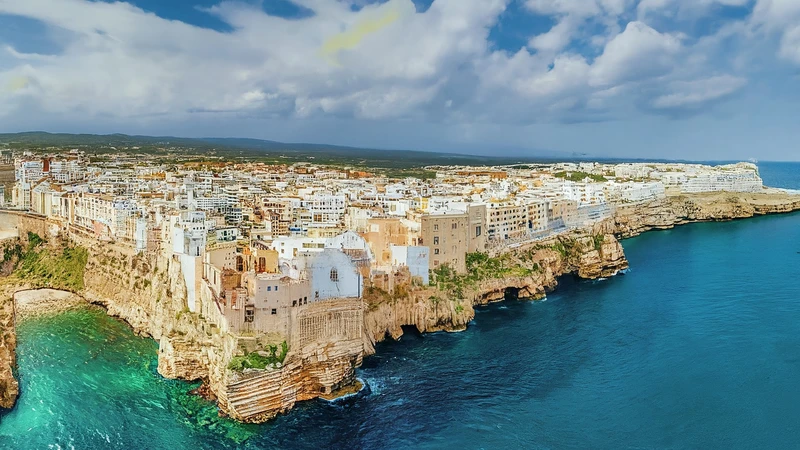
Ah, Polignano a Mare! This town in Apulia (Puglia), the heel of Italy’s boot, is perched dramatically on limestone cliffs above the sparkling Adriatic Sea. I love the energy here – it’s lively, beautiful, and very Mediterranean.
The old town is a maze of narrow white-washed streets that occasionally open onto balconies (belvedere) with stunning sea views. The most famous view is probably of Lama Monachile (also called Cala Porto), a small pebble beach nestled between two high cliffs, accessible via an ancient Roman bridge.
Why visit Polignano a Mare:
- The Views: Seriously, the views are spectacular. Walk around the centro storico (historic center) and find the various terraces overlooking the sea.
- Lama Monachile Beach: It gets crowded in summer, but it’s iconic. Take a dip in the incredibly clear blue water.
- Boat Trips: Take a boat tour to explore the sea caves (grotte marine) beneath the town. Some are really impressive, like the famous Grotta Palazzese, which houses a very exclusive restaurant (you can see it better from the sea if you’re not dining there).
- Cliff Diving: Polignano hosts the Red Bull Cliff Diving World Series sometimes. Even when the competition isn’t on, you might see locals jumping from lower spots.
- Aperitivo with a View: Find a bar overlooking the sea and enjoy an aperitivo as the sun starts to set. Try a caffè speciale, a local coffee concoction with sugar, lemon zest, cream, and amaretto.
My Tip: Summer can be very busy. If you prefer fewer crowds, consider visiting in late spring or early autumn. The weather is still lovely, and the town feels a bit more relaxed. Also, explore beyond the main viewpoint – there are other small coves and swimming spots nearby.
4. Orvieto: Umbria’s Hilltop Marvel
Rising dramatically from a volcanic tuff cliff in Umbria, the “green heart of Italy,” Orvieto is breathtaking before you even set foot in it. You can see it from miles away. Getting up to the town itself is part of the experience – you can drive, but I recommend taking the funicular from the train station for the views.
Once you’re up, Orvieto is a delight. It’s known for its stunning Duomo (Cathedral), its underground network of tunnels, and its crisp white wine. The pace of life feels slower here, perfect for soaking in the medieval atmosphere.
Highlights of Orvieto:
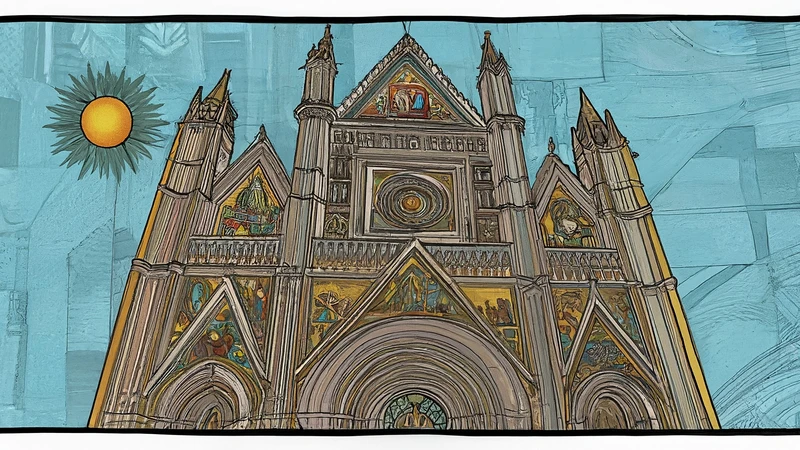
- Duomo di Orvieto: This cathedral is one of Italy’s Gothic masterpieces. The facade is incredible, covered in intricate mosaics that glitter in the sun, detailed sculptures, and a beautiful rose window. Inside, the Cappella di San Brizio features powerful frescoes by Luca Signorelli depicting the Last Judgment – they are said to have inspired Michelangelo.
- Orvieto Underground: Discover the hidden city beneath the city! Guided tours take you through a labyrinth of caves, tunnels, and wells carved into the rock over centuries. You’ll see Etruscan artifacts, medieval olive presses, and dovecotes (colombaie). It’s fascinating.
- Pozzo di San Patrizio (St. Patrick’s Well): An engineering marvel! This deep well was commissioned by a Pope in the 16th century. It has two independent spiral staircases – one for going down, one for coming up – so the mules carrying water wouldn’t collide. You can walk down (and back up!) the 248 steps.
- Medieval Quarter: Wander through the older parts of town, with narrow streets and charming houses.
- Taste Orvieto Classico: Enjoy a glass of the local dry white wine, Orvieto Classico, perhaps paired with some Umbrian cured meats or cheeses.
My Tip: Buy a Carta Unica pass if you plan to visit several attractions like the Duomo, Underground, and the Well. It often saves money. And take time to just sit in the Piazza del Duomo and admire the cathedral’s facade – it changes beautifully with the light.
5. Alberobello: Fairytale Trulli Houses
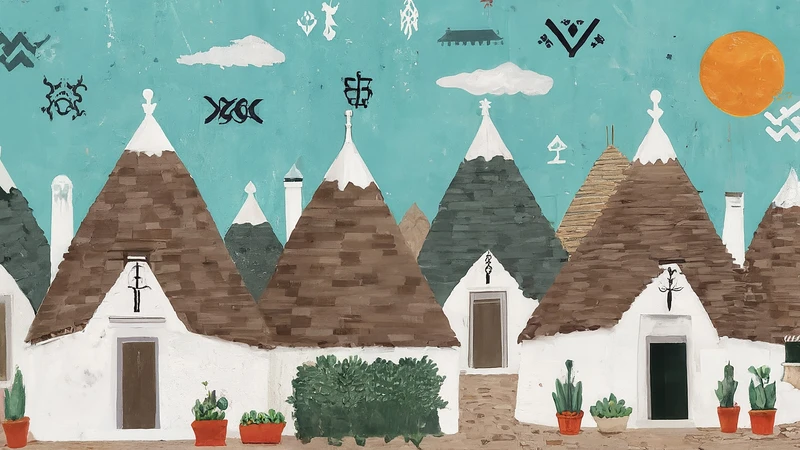
Alberobello, also in Apulia (Puglia), looks like something straight out of a storybook. It’s famous for its unique trulli, traditional dry-stone huts with conical roofs. These whitewashed structures pack the town’s hillside districts, Rione Monti and Aia Piccola, creating a truly unforgettable landscape. It’s another UNESCO World Heritage site.
The origin of the trulli is debated, but one popular theory is that they were built using a dry-stone technique (without mortar) so they could be easily dismantled to avoid property taxes! Today, many are homes, shops, restaurants, and even small guesthouses.
Experiencing Alberobello:
- Wander the Trulli Zones: Rione Monti is the larger, more commercialized area with lots of souvenir shops. Aia Piccola is quieter, mostly residential, and feels more authentic. Explore both.
- Visit Trullo Sovrano: This is the only trullo built with two floors. It’s now a museum furnished as it would have been in the past, giving you insight into life inside these unique buildings.
- Church of Saint Anthony (Chiesa di Sant’Antonio): Even the church here is built in the trullo style!
- Look for Symbols: Notice the symbols painted on many trullo cones. These are often religious or pagan good luck symbols.
- Shop for Local Crafts: You’ll find lots of local handicrafts, especially ceramics and textiles.
My Tip: Alberobello can get extremely crowded, especially during peak season and midday. Try to visit early in the morning or later in the afternoon for a more peaceful experience. Consider staying overnight in a trullo for a unique lodging experience!
6. Sperlonga: Seaside Charm Between Rome and Naples
If you’re looking for a beautiful coastal escape that’s easily reachable from Rome or Naples, Sperlonga is a fantastic choice. Located on the Lazio coast, it combines stunning sandy beaches with a charming, whitewashed hilltop old town.
The historic center is a delightful tangle of narrow alleys, staircases, and tiny squares, perfect for getting lost. Below the town, wide, golden beaches stretch along the clear Tyrrhenian Sea. But Sperlonga also has a fascinating historical side.
What to enjoy in Sperlonga:
- The Beaches: Sperlonga boasts beautiful, long sandy beaches with clean water. Choose from the lively Ponente beach (west) or the slightly quieter Levante beach (east), separated by the town’s promontory. Many sections have beach clubs (stabilimenti balneari) where you can rent umbrellas and chairs.
- Explore the Old Town: Climb up into the centro storico. The whitewashed houses and blue accents feel almost Greek. Enjoy the views over the sea and the coastline.
- Museo Archeologico Nazionale e Grotta di Tiberio: This is a must-see. Visit the archaeological museum displaying incredible marble sculptures found in the nearby sea grotto. These depict scenes from Homer’s Odyssey. Then, walk down to the Grotto of Tiberius itself, the remains of a villa and cave complex used by the Roman Emperor Tiberius for dining and leisure. It’s incredibly atmospheric.
- Torre Truglia: This fortified tower sits scenically at the end of the promontory, guarding the harbor entrance.
- Seafood: Being a coastal town, Sperlonga offers excellent fresh seafood. Find a trattoria and enjoy some spaghetti alle vongole (clams) or grilled fish.
My Tip: Parking near the beaches and town center can be challenging (and expensive) in summer. Look for parking slightly further out or consider arriving by bus if possible. The walk up to the old town is steep but rewarding.
7. Castelmezzano: Thrills in the Lucanian Dolomites
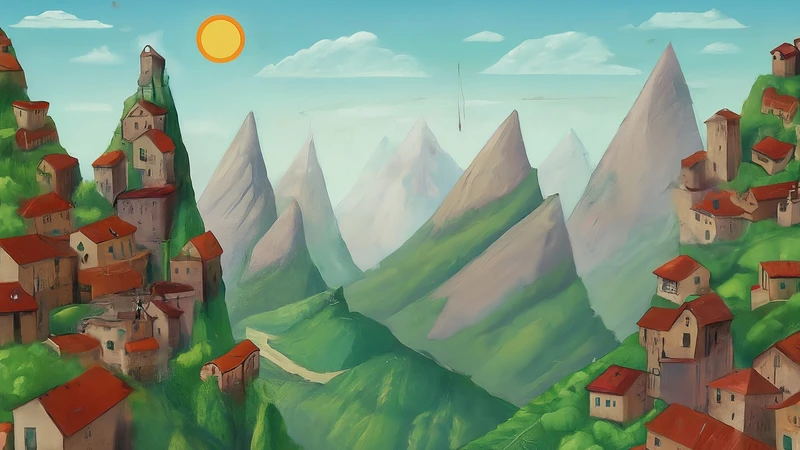
Nestled dramatically in the Dolomiti Lucane (Lucanian Dolomites) mountains of Basilicata, Castelmezzano is breathtaking. The village clings to the rugged peaks, looking like it grew right out of the rock. It’s part of the ‘Borghi più belli d’Italia’ (Most Beautiful Villages of Italy) association, and you can see why.
This isn’t just a pretty village, though. It’s also an adventure destination, famous for the Volo dell’Angelo (Flight of the Angel).
Why Castelmezzano stands out:
- The Scenery: The landscape is stunning. The jagged peaks of the Lucanian Dolomites offer incredible views and hiking opportunities.
- Flight of the Angel (Volo dell’Angelo): This is a high-speed zip-line experience that connects Castelmezzano with the neighboring village of Pietrapertosa. You fly across the valley suspended from a steel cable, reaching speeds up to 120 km/h (75 mph). It’s definitely for thrill-seekers! I haven’t done it myself (a bit too adventurous for me!), but friends who have say it’s unforgettable.
- Charming Village: Explore the narrow streets, stone houses, and stairways carved into the rock. Find the main square, Piazza Emilio Caizzo.
- Hiking Trails: There are several trails leading into the mountains, offering fantastic views of the village and the surrounding peaks. The Percorso delle Sette Pietre (Path of the Seven Stones) connects Castelmezzano and Pietrapertosa with narrative installations along the way.
- Quiet Atmosphere: Despite the zip-line fame, the village itself retains a peaceful, authentic mountain atmosphere.
My Tip: Book the Volo dell’Angelo well in advance, especially in summer. If you’re not zip-lining, enjoy the hikes and the views. The drive up to the village is winding but scenic. Consider trying local Basilicata specialties like peperoni cruschi (crispy dried peppers).
8. Pitigliano: Tuscany’s Tufa Town
Perched dramatically atop a ridge of tufa (volcanic rock) in southern Tuscany, Pitigliano is a sight to behold. The way the houses seem to merge with the cliff is incredible. It’s known as “La Piccola Gerusalemme” (Little Jerusalem) because of its historic Jewish community, which found refuge here centuries ago.
Walking through Pitigliano feels like journeying back through layers of history – Etruscan tombs, medieval structures, Renaissance palaces, and the legacy of the Jewish Quarter.
Exploring Pitigliano:
- The Views: Approach the town slowly to appreciate the stunning view of it rising from the cliffs. There are several viewpoints along the roads leading to Pitigliano.
- Jewish Quarter (Ghetto): Explore the historic Jewish Ghetto. Visit the restored Synagogue, the kosher butcher shop, the cellar for kosher wine production, and the unleavened bread oven. It’s a poignant reminder of the town’s multicultural history.
- Palazzo Orsini: This imposing fortress guards the entrance to the town. It houses museums, including an archaeological museum and a museum of sacred art.
- Walk the Vie Cave: Near Pitigliano (and the nearby towns of Sovana and Sorano), you can explore the Vie Cave, mysterious pathways cut deep into the tufa rock, likely by the Etruscans. Walking through these high-walled passages is a unique experience.
- Aqueduct: Admire the impressive 16th-century Medici aqueduct that runs along the edge of the town.
- Local Wine: Try the local white wine, Bianco di Pitigliano.
My Tip: Wear good walking shoes as the streets are cobbled and sometimes steep. Allow plenty of time to explore the Jewish Quarter and consider a guided tour to fully understand its history. The Vie Cave are best explored with sturdy footwear and perhaps a map!
9. Manarola: Postcard Perfect Cinque Terre
Okay, Manarola is part of the Cinque Terre, which isn’t exactly “hidden.” However, among the five famous villages, Manarola has a particular charm that I love. It’s incredibly picturesque, with colorful houses tumbling down the cliffside to a small, rocky harbor.
The village is surrounded by terraced vineyards clinging to the steep slopes, where grapes for the local Sciacchetrà wine are grown. It’s especially magical at sunset.
What I love about Manarola:
- The Views: Walk up the pathways on either side of the village for those classic postcard views. The path leading towards the cemetery offers one of the best perspectives, especially at dusk when the lights come on.
- The Harbor: While there’s no sandy beach, people swim and sunbathe on the rocks around the small harbor. It’s a lively spot in summer.
- Vineyard Walks: Explore the paths winding through the vineyards above the town. It gives you a sense of the incredible effort required to cultivate grapes here (viticoltura eroica - heroic viticulture).
- Via dell’Amore (Currently Partially Closed): The famous paved coastal path connecting Manarola to Riomaggiore, known as the “Path of Love,” has been closed for years due to landslides, though sections might reopen. Check locally for the current status and alternative hiking trails (like the higher trails).
- Sciacchetrà Wine: If you get a chance, try Sciacchetrà, a sweet dessert wine unique to this area. It’s precious and expensive, but a real local specialty.
- Nativity Scene (Winter): If you visit during the Christmas season, Manarola hosts a huge and beautiful nativity scene (presepe) illuminated on the hillside.
My Tip: Like all Cinque Terre villages, Manarola gets incredibly crowded. The best way to visit is by train, as driving and parking are very difficult. Try to visit outside of July and August if possible. Stay overnight to experience the village after the day-trippers have left.
10. Noto: Sicilian Baroque Splendor
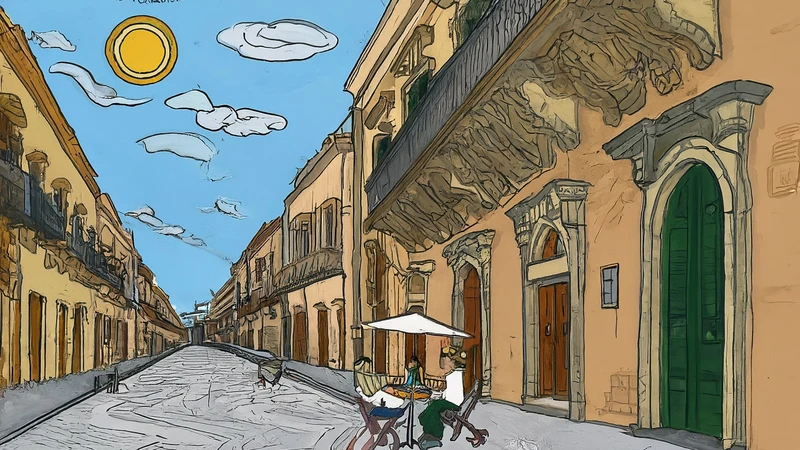
Down in southeastern Sicily, Noto is the capital of Sicilian Baroque architecture. The town was completely rebuilt after a devastating earthquake in 1693, resulting in a remarkable uniformity of style, using the local golden-hued limestone. Walking down the main street, Corso Vittorio Emanuele, feels like strolling through an open-air museum. It’s part of the Val di Noto UNESCO World Heritage site, along with several other Baroque towns in the area.
The architecture is theatrical and ornate, with elaborate balconies, curved facades, and grand churches and palaces.
Highlights of Noto:
- Noto Cathedral (Cattedrale di San Nicolò): Dominating the main square, the cathedral is stunning, especially its grand staircase. The dome famously collapsed in 1996 but has been beautifully restored.
- Palazzo Ducezio: Opposite the cathedral, this elegant building serves as the town hall. You can sometimes visit the Hall of Mirrors inside.
- Via Nicolaci: Don’t miss walking up this street, famous for its incredibly ornate Baroque balconies supported by carved figures (cherubs, lions, griffins, fantastical creatures).
- Chiesa di San Domenico: Another beautiful Baroque church with a curving facade.
- Palazzo Nicolaci di Villadorata: One of the palaces on Via Nicolaci, parts of which are open to visit, showcasing noble Sicilian life.
- Enjoy a Granita: Sicily is famous for granita (a semi-frozen dessert). Find a café, sit outside, and enjoy a refreshing lemon or almond granita, perhaps with a brioche, like the locals do. Caffè Sicilia is famous, but there are many great spots.
My Tip: Visit during the Infiorata di Noto festival, usually held on the third weekend of May. Artists create incredible carpets of flower petals along Via Nicolaci, depicting intricate designs. It’s very popular, so expect crowds, but it’s a spectacular sight. Noto is also a great base for exploring other Baroque towns like Ragusa, Modica, and Scicli.
Why Explore Beyond the Obvious?
Italy is incredible everywhere, certo. But stepping off the main tourist trail lets you discover a different side of my country. You often find fewer crowds, lower prices, and more opportunities for genuine interactions with locals. It allows you to see the diversity of Italy – the mountain villages, the coastal towns, the ancient cave cities, the Renaissance gems, the Baroque masterpieces. Each region, each town has its own dialect, traditions, and specialties.
Exploring these places might require a bit more planning, maybe renting a car, or navigating local trains and buses. But the reward is a richer, more personal travel experience. You get to feel less like a tourist ticking off boxes and more like an explorer discovering something special.
I hope this list gives you some inspiration for your next Italian adventure! These are just ten possibilities, of course – Italy has countless other fascinating corners waiting to be explored. Maybe you have your own favorite “hidden gem” in Italy? I’d love to hear about it in the comments!
Arrivederci e buon viaggio! (Goodbye and happy travels!)