Ciao tutti! I’m Julia, your guide to the Italian language. One of the things I absolutely love about teaching Italian is showing how much culture is packed into the words we use every single day. This is especially true when we talk about Italian proverbs – i proverbi.
You know, when I was growing up in Italy, these weren’t things we formally studied in school. They were just… there. Part of life. My nonna might sigh one out while she was knitting, or my dad would use one to make a point over dinner. Friends would drop them into conversations completely naturally. Think of them as little nuggets of shared wisdom, warnings, or just observations about life, passed down through generations. They often use simple images, maybe about farming or daily life, but the meaning behind them can be surprisingly deep and tells you a lot about the Italian way of thinking.
Now, just translating them word-for-word usually doesn’t capture the real point, and sometimes it just sounds plain weird in English. The real key is understanding when Italians use them and why. It’s about catching the feeling, the specific situation, the cultural shortcut they provide. So, today, I want to walk you through ten common Italian proverbs that I’ve heard countless times and still use myself. I’ll give you the literal translation, sure, but more importantly, we’ll get into the context, the actual meaning, and the cultural ideas buzzing around them. Consider this me giving you a little peek into how Italians often think and communicate. Ready? Andiamo!

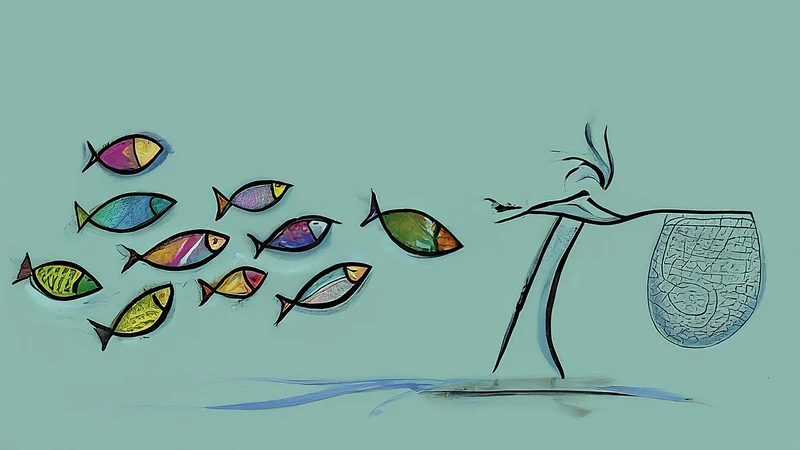
1. Chi dorme non piglia pesci
- Literal Translation: He who sleeps doesn’t catch fish.
- Meaning & Context: This one is pretty easy to understand, and I bet most cultures have something like it. It’s very similar to “You snooze, you lose” or “The early bird catches the worm.” At its heart, it’s about taking action, showing initiative, and the basic truth that you need to actually do something to get results. You can’t expect good things, opportunities – or literal fish – to magically appear if you’re just lying around asleep.
- How We Use It: Oh, I hear this all the time. It’s a classic little nudge, sometimes said gently, other times with a bit more force. Imagine a teenager keeps putting off applying for a summer job. A parent might sigh and say, with a pointed look, “Eh, figlio mio, chi dorme non piglia pesci! Devi darti una mossa!” (“Ah, my son, he who sleeps catches no fish! You need to get moving!”). My own dad used to say this when I wanted to sleep in late on weekends, reminding me the day was slipping away! Or maybe a friend complains they missed out on concert tickets because they waited too long to buy them. You could say, maybe sympathetically, maybe a bit teasingly, “Peccato! Ma sai come si dice… chi dorme non piglia pesci.” (“Too bad! But you know the saying…”). It points directly to a very practical Italian value: effort brings rewards, and you need to be alert to opportunities. It’s a reminder that just waiting around usually doesn’t get you anywhere good. If you want something – a job, a good deal, maybe even just a decent parking spot in a crowded city – you need to be awake, aware, and ready to act.

2. Non tutto il male vien per nuocere
- Literal Translation: Not all bad/evil comes to harm.
- Meaning & Context: This is a lovely proverb that expresses optimism and resilience. It’s very much like saying “Every cloud has a silver lining” or “It might be a blessing in disguise.” It acknowledges that something bad has definitely happened, but it holds out hope that maybe, just maybe, some good might come out of it in the long run. The idea is that negative experiences can sometimes lead to unexpected positives, teach us valuable lessons, or push us onto paths we wouldn’t have considered otherwise.
- How We Use It: We often pull this one out to offer a bit of comfort to someone going through a difficult time. Let’s say a friend is really upset because a trip they’d been planning for months got cancelled suddenly. After expressing sympathy, you might gently add, “Lo so che sei deluso/a, ma vedrai… non tutto il male vien per nuocere. Magari succederà qualcosa di ancora più bello.” (“I know you’re disappointed, but you’ll see… not all bad comes to harm. Maybe something even better will happen.”). Or maybe someone loses a job, but it was a job they didn’t truly enjoy. This proverb can help reframe the situation: “Forse è meglio così. Non tutto il male vien per nuocere. Ora sei libero/a di cercare qualcosa che ti piace davvero.” (“Maybe it’s better this way. Not all bad comes to harm. Now you’re free to look for something you truly like.”). It doesn’t dismiss the current difficulty, but it encourages looking beyond the immediate setback for potential future benefits. It reflects a kind of philosophical acceptance, perhaps tied to a subtle sense of destino (destiny), but also a practical belief that you can often find opportunity even in misfortune.
3. L’appetito vien mangiando
- Literal Translation: Appetite comes while eating.
- Meaning & Context: I have a real soft spot for this one because it rings so true in many situations! Literally, it captures that familiar feeling when you sit down for a meal, not thinking you’re particularly hungry, but after the first few delicious bites, you suddenly realize, “Wow, I am hungry!” My nonna absolutely used this literally to coax us grandkids into trying new foods! But the idea behind it gets used far more broadly. It means that interest, enthusiasm, or enjoyment for an activity often develops after you’ve started doing it. That initial reluctance or lack of motivation tends to fade once you actually get engaged.
- How We Use It: It’s a fantastic way to gently push someone (or yourself!) past hesitation or procrastination. Imagine someone is unsure about signing up for an Italian class, thinking, “Oh, I don’t know if I have the time or the energy…” A friend might encourage them by saying, “Dai, iscriviti! Vedrai che ti piacerà. L’appetito vien mangiando!” (“Come on, sign up! You’ll see, you’ll enjoy it. Appetite comes while eating!”). Or if someone is dragging their feet about starting a big, daunting project: “Inizia e basta. L’appetito vien mangiando.” (“Just start. Appetite comes while eating.”). It applies beautifully to hobbies, exercise routines, social gatherings, pretty much anything you might feel ambivalent about initially. The core message is that the act of doing often sparks the desire to continue. It’s a gentle nudge to overcome that first hurdle, suggesting the reward – the enjoyment, the satisfaction – comes from engaging in the process itself. It really taps into the Italian inclination to just fare (do) things to truly understand or appreciate them.

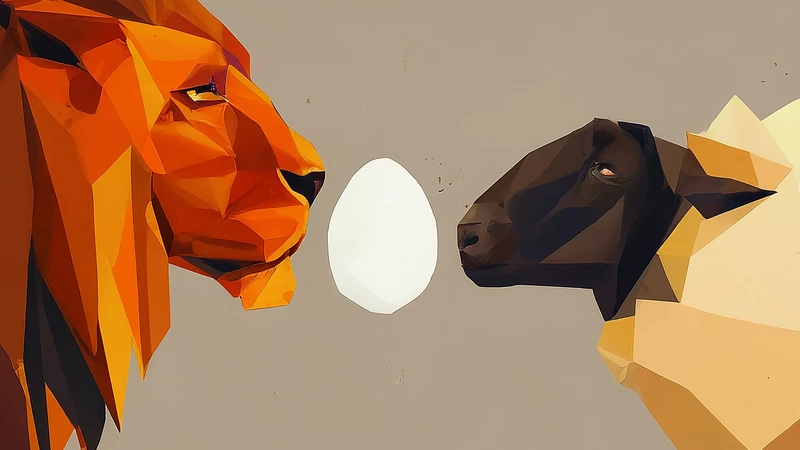
4. Meglio un giorno da leone che cento da pecora
- Literal Translation: Better one day as a lion than a hundred as a sheep.
- Meaning & Context: This proverb packs a punch. It’s passionate and speaks volumes about certain core Italian values: courage, individuality, living life with intensity, and perhaps a touch of the dramatic. It strongly argues that it’s far preferable to live just a single day bravely, making your own choices, standing tall and proud like a lion – even if that day is risky or ends quickly – than to live a long, safe, but ultimately boring and unremarkable life, merely following the crowd, timid and unnoticed like a sheep.
- How We Use It: You’d typically use this to encourage someone to take a significant leap, maybe a risky one, but one that holds the potential for great personal fulfillment or authenticity. It’s about prioritizing the quality of life over mere length, choosing self-expression over conformity. If someone finds themselves stuck in a situation that feels safe but soul-crushing (like a toxic relationship or a dead-end job) and they’re afraid of the uncertainty of change, a supportive friend might invoke this proverb: “Senti, la vita è una. Meglio un giorno da leone che cento da pecora! Devi fare quello che senti giusto per te.” (“Listen, you only get one life. Better one day as a lion than a hundred as a sheep! You have to do what feels right for you.”). It’s often used to inspire someone to chase a dream, stand up for their convictions, or break free from constraints. It celebrates boldness and living life on your own terms, even if it involves challenges. It’s less about recklessness and more about choosing a life of meaning and passion over mere existence.
5. Il diavolo fa le pentole, ma non i coperchi
- Literal Translation: The devil makes the pots, but not the lids.
- Meaning & Context: This one is quite clever and has a touch of wry humor. It essentially means that wrongdoing, lies, or sneaky plans usually contain flaws and tend to be exposed eventually. The ‘devil’ (representing someone acting deceitfully or maliciously) might manage to create the main part of their scheme (the pot), but they almost invariably miss crucial details, fail to cover their tracks adequately, or make careless mistakes (they forget the lids). It carries the strong suggestion that you can’t get away with deception forever; the truth or the flaws in the plan will likely surface.
- How We Use It: People often mutter this proverb with a knowing nod when a lie gets uncovered, someone cheating is caught red-handed, or an elaborate plan unravels due to a small oversight. Imagine office colleagues are gossiping, and suddenly the person they were talking about walks into the room. One might quietly murmur to the other, “Visto? Il diavolo fa le pentole ma non i coperchi!” (“See? The devil makes the pots but not the lids!”). Or if someone tells a complicated lie but contradicts themselves with a simple, obvious error: “Classico. Il diavolo fa le pentole…” (“Classic. The devil makes the pots…”). It often comes with a feeling of ‘I told you so’ or ‘what goes around comes around.’ It implies an almost natural consequence: bad intentions often lead to sloppy execution, and things have a way of coming to light. It confirms our suspicion that even the most cunning plans can be undone by seemingly tiny, overlooked details.
6. Meglio un uovo oggi che una gallina domani
- Literal Translation: Better an egg today than a hen tomorrow.
- Meaning & Context: This proverb champions practicality and prudence. It’s the direct Italian equivalent of “A bird in the hand is worth two in the bush.” It advises valuing something certain and tangible that you possess right now (the egg) more highly than something potentially larger or more valuable, but uncertain and in the future (the hen, which might lay more eggs, but which you don’t actually have yet). It’s about choosing the concrete present over the speculative future.
- How We Use It: This is classic advice dispensed when someone faces a choice between a sure thing and a gamble. Suppose someone receives a decent, solid job offer but is tempted to turn it down and wait for a hypothetical ‘dream job’ that may or may not ever materialize. A pragmatic parent or friend might counsel: “È una buona offerta. Pensaci bene, meglio un uovo oggi che una gallina domani.” (“It’s a good offer. Think carefully, better an egg today than a hen tomorrow.”). It’s frequently applied to financial decisions too – for instance, taking a smaller, guaranteed profit now rather than risking it all for a potentially larger, but uncertain, gain later. It reflects a grounded, down-to-earth mentality, suggesting that security and tangible results are often wiser choices than chasing ambitious but risky possibilities. It’s interesting to contrast this with “Meglio un giorno da leone,” as it shows how Italian culture holds space for both boldness and caution, depending entirely on the situation.

7. Chi trova un amico, trova un tesoro
- Literal Translation: Who finds a friend, finds a treasure.
- Meaning & Context: This might just be one of the most cherished and universally recognized Italian proverbs. It speaks volumes about the profound value Italians place on true friendship. The meaning is beautifully straightforward: discovering a loyal, supportive, trustworthy friend is akin to unearthing something incredibly precious, rare, and wonderful – a genuine treasure. It suggests friendship isn’t just pleasant, it’s deeply valuable.
- How We Use It: People use this proverb frequently, often with genuine warmth and sincerity. Someone might say it reflectively when thinking about how a close friend helped them navigate a difficult period: “Marco mi è stato così vicino in quel periodo difficile. È proprio vero, chi trova un amico, trova un tesoro.” (“Marco was so supportive during that tough time. It’s really true, who finds a friend, finds a treasure.”). It can be used to describe the richness of a long-standing, deep friendship, or simply to express heartfelt appreciation for a friend’s presence in one’s life. It elevates friendship beyond mere companionship – portraying it as a fundamental component of a fulfilling life. In a culture where social bonds, family, and community (il senso di comunità) are deeply ingrained, this proverb underscores the vital importance of having reliable, caring individuals in your corner. It’s not just a sentimental saying; it’s perceived as a fundamental truth about human well-being. In Italy, close friends often become like extended family.

8. Tra il dire e il fare c’è di mezzo il mare
- Literal Translation: Between saying (the word) and doing (the action) lies the sea.
- Meaning & Context: This is a wonderfully evocative saying that perfectly captures the essence of “Easier said than done.” It highlights the vast difference, often fraught with difficulty, between merely talking about doing something (making plans, promises, declarations of intent) and actually accomplishing it. That gap isn’t portrayed as a small step, but as something immense and potentially challenging to navigate – as wide and unpredictable as an entire sea.
- How We Use It: I have to admit, I find myself thinking or saying this one quite often! It serves as a potent reality check against grand pronouncements, overly ambitious plans, or promises made without fully considering the effort involved. If someone boasts, “I’m going to completely renovate my house all by myself this summer!” a friend might gently caution, “Bello! Ma ricorda, tra il dire e il fare c’è di mezzo il mare!” (“Sounds great! But remember, between saying and doing lies the sea!”). It’s often muttered when discussing political promises that fail to materialize, large-scale projects that stall, or even personal goals (like vowing to learn fluent Italian in three months!) that prove much harder in practice than they sounded in theory. It’s not necessarily meant pessimistically, but rather realistically. It reminds us that good intentions alone aren’t sufficient. Execution requires overcoming obstacles, dedicating time and energy, and navigating unforeseen complications – essentially, crossing that metaphorical sea.

9. Dolce far niente
- Literal Translation: The sweetness of doing nothing.
- Meaning & Context: Okay, technically this isn’t a proverb in the same vein as the others, but it’s such an iconic Italian phrase and concept that it absolutely deserves a place here. “Dolce far niente” encapsulates an entire philosophy – the profound pleasure and art of enjoyable idleness. This isn’t about laziness in a negative sense; it’s about the conscious choice to savor moments of relaxation, to be fully present, and to appreciate life’s simple pleasures without the constant pressure to be productive or occupied. It’s about finding contentment in simply being.
- How We Use It: It’s more often used to describe a state of being or an ideal rather than something you’d typically say to someone as advice. You might recount a perfect afternoon: “Ah, ieri pomeriggio in piazza, un caffè, il sole… un po’ di dolce far niente, che meraviglia!” (“Ah, yesterday afternoon in the square, a coffee, the sun… a bit of the sweetness of doing nothing, how wonderful!”). It embodies the cultural appreciation for slowing down the pace of life, lingering over meals, enjoying conversations without constantly checking the time, or simply sitting on a bench and watching the world go by. In our hyper-connected, always-on world, the concept of “dolce far niente” feels almost like a gentle act of rebellion. It’s about recharging the soul, noticing the beauty in the mundane, and understanding that not doing can be just as valuable, and certainly more pleasant, than constantly doing. It’s a reminder to pause and taste the sweetness of the present moment.
10. L’amor che move il sole e l’altre stelle
- Literal Translation: The love that moves the sun and the other stars.
- Meaning & Context: This final entry is truly special. It’s not a common folk proverb passed down through generations, but rather the incredibly famous concluding line of Dante Alighieri’s Paradiso, the final canticle of his epic masterpiece, La Divina Commedia (The Divine Comedy), finished in 1321. Virtually every Italian knows this line, even if they haven’t read the entire poem. In Dante’s profound vision, “l’amor” specifically refers to the divine love of God. It is the ultimate, fundamental force that creates, orders, sustains, and directs the entire cosmos – the power that literally impels the celestial bodies, the sun and the stars, in their harmonious movements. It’s a line imbued with centuries of deep theological and philosophical significance.
- How We Use It: Given its profound and poetic nature, you won’t hear this tossed around in casual conversation like “Chi dorme non piglia pesci.” We simply don’t use it lightly. It’s reserved for more contemplative, serious, or elevated moments and discussions. However, its sheer power means that people sometimes invoke it more broadly to speak about the immense, almost cosmic significance of love in a wider sense – love as a primary motivator in human life, a force that inspires great deeds, or the connective tissue of existence. You might encounter it quoted in literature, formal speeches, artistic works, or perhaps during a moment of deep personal reflection or expression. Knowing this line signals an appreciation for foundational Italian literature and high culture. It represents the Italian capacity for profound thought and the enduring power of concepts like love and beauty, connecting the everyday with the grand sweep of artistic and intellectual history.
Why Italian Proverbs Matter When You’re Learning
So, there you have it – a little tour through ten Italian proverbs and the cultural layers underneath. As you’ve probably gathered, they’re far more than just quaint old sayings. They are living, breathing parts of the Italian language, offering valuable little windows into Italian history, shared values, and the perspectives people in Italy often have on life.
Think about what they show us: a clear emphasis on action (Chi dorme...), the importance of resilience (Non tutto il male...), a practical streak (Meglio un uovo...), admiration for courage (...giorno da leone), the immense value placed on friendship (Chi trova un amico...), and the cherished ability to savor the moment (Dolce far niente). These aren’t just abstract ideas; they’re reflected in the language people use.
Using a proverb correctly – knowing the right moment and the right nuance – can really make your Italian sound more natural. It shows you’re moving beyond textbook phrases and starting to grasp the rhythm and feeling of real Italian conversation. It signals that you ‘get’ the culture, not just the grammar rules. Plus, let’s be honest, they add color and personality to your speech! A well-placed proverb can often express a complex idea more effectively and memorably than a lengthy explanation.
And of course, understanding these proverbs when you hear them is crucial for following conversations and grasping the real meaning or advice being offered by native speakers.
Learning proverbs isn’t about rote memorization; it’s about developing a feel for the Italian soul. Keep your ears open when you watch Italian films, listen to Italian music, or chat with native speakers – you’ll definitely start noticing them pop up. Don’t be shy about asking what they mean! Most Italians are quite happy, even proud, to explain their proverbs. And maybe, just maybe, you can start experimenting with using one yourself now and then. Remember, l’appetito vien mangiando! The more you engage with them, the more comfortable you’ll become.
I hope this little exploration has deepened your appreciation for these linguistic treasures. They truly are tiny capsules of wisdom, passed down through time, still relevant and insightful today.