Ciao! I’m Giulia, I often get questions about Italian politics. And I get it, it looks complicated from the outside, and honestly? It often feels complicated even for Italians! It’s a world filled with strong opinions, a lot of history, alliances that change surprisingly quickly, and yeah, sometimes a good bit of drama. One thing’s for sure: it’s never boring. If you’re learning Italian, or maybe you’re just curious about Italy, knowing a bit about the political landscape is really useful. It shapes so much of our daily life, what we talk about, and even our culture.
So, I wanted to share my perspective and try to give you a clearer picture, the way I see it. We’ll look at the main political parties you probably hear about in the news, get a feel for what they generally stand for, and maybe touch upon why things sometimes seem so… well, uniquely Italian. Let’s try to figure it out together.
Note: This article was originally published on October 17, 2024, and was last updated on July 20, 2026, to reflect the latest developments in Italian politics, including recent political shifts and expanded guidance on discussing politics in Italian.
Does Machiavelli Still Influence Italian Politics?
You’ll often hear the name Niccolò Machiavelli pop up when people talk about Italian politics. Usually, it’s not meant as a compliment – it suggests being cunning, manipulative, and believing that “the end justifies the means.” Machiavelli was a diplomat and writer back in Renaissance Florence, famous mostly for his book The Prince (Il Principe). If you haven’t read it, it’s basically a handbook on how rulers can get power and keep it, often suggesting practical, sometimes pretty ruthless, ways to do it.
So, is Italian politics really Machiavellian? It’s definitely a bit of a stereotype. But like a lot of stereotypes, maybe there’s a tiny grain of truth in why it sticks around.
- Realpolitik: Machiavelli was all about realpolitik – politics based on what’s practical, not necessarily what’s morally right or ideologically pure. And you know, Italian politics often seems very practical in that way. Alliances shift, parties make deals (or fight fiercely) based on what gives them an edge. Leaders often have to handle tricky situations where lofty ideals crash into hard reality. From where I stand, this isn’t always about being cynical. I think it’s often just the reality of trying to govern a country with such different regions, a long and complicated history, and serious economic challenges.
- Image vs. Reality: Sometimes, the way politics is covered in the media, focusing on power plays and clever moves, looks very Machiavellian. But I also think Italian politicians, just like politicians everywhere, work in a system where you have to negotiate, compromise, and build coalitions to get anything done. Italy has almost always been run by coalition governments, and that automatically means a lot of bargaining and give-and-take.
- Is the Label Fair? Honestly, I feel like just slapping the label “Machiavellian” on Italian politics is way too simple. It ignores the real debates about ideas, the passion people have for their parties, and the actual effect policies have on everyday life. It’s a complex system, shaped by our history, the big differences between North and South, and the unique problems Italy faces. The Prince might offer some timeless thoughts on power, but if you reduce modern Italian democracy to just that book, you’re missing a huge part of the story.
So, while the ghost of Machiavelli might hang around in popular conversation, understanding the actual parties and how things work gives you a much better picture. Let’s get into the main players you see on the political stage today. 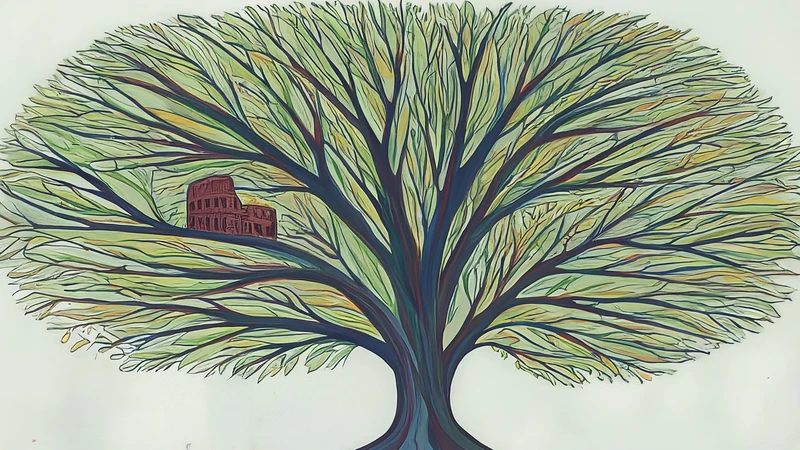
Movimento 5 Stelle (M5S) - The Five Star Movement
The Movimento 5 Stelle (M5S), or Five Star Movement, really burst onto the scene and changed things up. It mostly started online, founded by the comedian Beppe Grillo and a web strategist named Gianroberto Casaleggio. You can think of it as a movement born out of pure frustration with the traditional political class – what they famously called the casta (the caste).
- What They Started With: Their big appeal at the beginning was based on fighting corruption, promoting direct democracy (they wanted citizens to vote on things online, though how they do this has changed over time), and caring about the environment. The name “Five Stars” originally stood for five key issues: public water, sustainable transport, sustainable development, the right to internet access, and environmentalism. They pitched themselves as total outsiders, not politicians, who were there to clean up the system.
- How They’ve Changed: M5S grew incredibly fast. In the 2018 election, they became the single biggest party in Parliament. This huge success forced them to change from being just a protest movement to actually being in government. First, they formed a government in a pretty controversial coalition with the right-wing Lega. Later, they governed with the center-left Partito Democratico. Being in power definitely changed the party. It led to a lot of internal arguments and shifts in what they stood for.
- Key People: Beppe Grillo is still around as a sort of ‘guarantor’ figure, but Giuseppe Conte, a law professor who wasn’t well-known before becoming Prime Minister during both M5S-led coalitions, eventually became the party’s official leader.
- Where They Are Now: M5S is still a major party, even though its support levels have gone up and down. Generally, they position themselves as progressive on social issues. They strongly support environmental policies and social safety nets, like the Reddito di Cittadinanza (a kind of citizen’s income or basic income support), which was one of their flagship policies. They’ve softened some of their earlier criticisms of the European Union but still tend to emphasize Italy’s national interests. For a lot of voters, especially younger people, M5S represented a real hope for change, even if their time in government brought compromises and showed how difficult governing can be.
Partito Democratico (PD) - The Democratic Party
The Partito Democratico (PD) is the main party on the center-left in Italy. If you think about the traditional social democratic parties you see in other European countries, the PD is roughly in that category.
- Where It Came From: The PD was officially formed in 2007. It was a merger, bringing together parties from two main historical backgrounds: the heirs of the Italian Communist Party (called Democratici di Sinistra, or Democrats of the Left, at the time) and the more centrist, socially conscious Christian Democrats (known as Democrazia è Libertà – La Margherita). This mixed heritage helps explain why there’s often a range of opinions within the party itself.
- Core Beliefs: Key ideas for the PD include social justice, protecting workers’ rights, environmental protection, strong belief in and support for the European Union, and maintaining a solid welfare state (public healthcare, pensions, etc.). They generally take progressive positions on civil rights and immigration, although you can find different viewpoints within the party on these too.
- In Government and Opposition: The PD has been in government quite a lot, often leading coalitions. But they’ve also spent significant time as the main opposition party. This back-and-forth between governing and opposing shapes how they act and how people see them.
- Key Figures: The party leadership has changed hands several times. Some notable figures include Romano Prodi (who led the L’Ulivo coalition before the PD was formally created), Walter Veltroni, Pier Luigi Bersani, Matteo Renzi (who pushed for more centrist, liberal reforms), Nicola Zingaretti, Enrico Letta, and the current leader, Elly Schlein. Schlein’s election represented a shift towards a more distinctly left-leaning and environmentalist direction for the party.
- Challenges: Like many center-left parties across Europe, the PD faces the challenge of connecting with traditional working-class voters who sometimes feel left behind by economic changes. At the same time, they need to appeal to urban, educated, progressive voters. Trying to keep the different factions within the party happy is also a constant balancing act. From my perspective, the PD is often seen as the more ’establishment’ part of the center-left, focused on responsible governance and strong ties with Europe.
![Split image contrasting M5S's digital hand-drawn style with PD's geometric EU style.]()
Lega - The League
Once famously known as Lega Nord (Northern League), the Lega has gone through a huge transformation. Today, it’s a major force on the right side of Italian politics.
- From North to Nation: The party started back in the late 1980s and early 1990s under its founder, Umberto Bossi. Back then, Lega Nord was all about federalism – giving more power to the regions, especially the wealthy North. Some even talked about independence for Northern Italy, which they called “Padania.” They argued that the hard-working North was unfairly supporting a wasteful South and the central government in Rome. They had a very strong regional identity.
- Salvini’s Big Shift: Things changed dramatically under the leadership of Matteo Salvini, starting around 2013. He strategically dropped the “Nord” from the party’s name and changed its focus completely. It became a nationalist, populist party with a strong anti-immigration platform. The main slogan changed from “Prima il Nord!” (North First!) to “Prima gli Italiani!” (Italians First!). This shift really worked in terms of votes, massively boosting their support across the entire country, not just the North, especially in the 2018 election where they did extremely well.
- Key Policies Today: The Lega pushes for strict controls on immigration, emphasizes law and order, expresses skepticism towards the European Union (though how strongly depends on the moment), and advocates for tax cuts (like their proposal for a flat tax). Defending Italian sovereignty and traditional values are also central themes.
- Time in Government: Lega has been part of several center-right governments over the years. They were notably in that coalition with M5S from 2018-2019, where Salvini served as a very high-profile Interior Minister and Deputy Prime Minister. Right now, they are part of the governing center-right coalition led by Giorgia Meloni.
- Who Votes for Lega? The Lega appeals strongly to voters who are worried about immigration, feel strongly about national identity, or are struggling economically. They draw support from small business owners, workers, and people who feel left behind by globalization or are unhappy with the EU. Watching the Lega change from a regional party to a national one has been quite something; they really tapped into feelings that maybe the more traditional parties weren’t paying enough attention to.
Forza Italia (FI) - Go Italy!
You absolutely cannot talk about Italian politics over the last three decades without talking about Forza Italia (FI) and its larger-than-life founder, the media mogul Silvio Berlusconi. When he entered politics in 1994 with his famous discesa in campo (“taking the field,” like in sports), he completely changed the game.
- Berlusconi’s Creation: For decades, Forza Italia was Berlusconi. He created it, he led it, he funded it. His personality, his control over major TV networks, and his story as a self-made billionaire were absolutely central to the party’s appeal. Even the name, “Forza Italia!”, borrowed from a football chant, was designed to sound optimistic and connect with ordinary people.
- What It Stands For: FI positioned itself in the center-right. Its ideology is a mix: it’s generally liberal conservative (meaning pro-business, wanting lower taxes and less government bureaucracy) but also incorporates elements of Christian democracy (social values, family). It has always been strongly pro-European and pro-Atlantic (supporting NATO and the US). For years, it presented itself as the moderate, reasonable anchor keeping the center-right coalition grounded.
- Years of Power and Later Decline: Forza Italia was the dominant force on the center-right for many years. Berlusconi served as Prime Minister multiple times, longer than anyone else in the post-war era. However, as Berlusconi faced ongoing legal battles, got older, and faced stronger competition from newer right-wing parties like Lega and Fratelli d’Italia, Forza Italia’s influence gradually decreased from its peak.
- Life After Berlusconi: Silvio Berlusconi passed away in 2023, which naturally raised big questions about the party’s future without him. Antonio Tajani, a long-time party figure and former President of the European Parliament, took over the leadership. Forza Italia remains an important part of the current governing center-right coalition. It aims to represent the moderate, pro-European, and business-friendly wing within that alliance. For many Italians my age and older, Forza Italia really represents an entire era of politics, shaped profoundly by Berlusconi’s personality and his unique way of doing things.
Fratelli d’Italia (FdI) - Brothers of Italy
Fratelli d’Italia (FdI) is the party that has seen the most incredible rise in recent years. It went from being a relatively small party on the margins to becoming Italy’s leading party today. The name, “Brothers of Italy,” comes from the first line of the Italian national anthem.
- Roots and Origins: FdI has historical roots in the post-fascist Italian Social Movement (MSI), which later transformed into the National Alliance (AN). FdI itself was founded more recently, in 2012. Key founders included Giorgia Meloni, Ignazio La Russa, and Guido Crosetto. They broke away from Berlusconi’s People of Freedom party (which was a temporary merger of Forza Italia and AN), arguing that the conservative identity was being watered down.
- Ideology: FdI positions itself firmly on the right, sometimes described as national conservative or right-wing populist. Core themes include defending national sovereignty (making decisions in Italy, not Brussels), promoting traditional family values, protecting Italian cultural identity (often summed up by the slogan “God, homeland, family”), calling for stricter immigration controls, and focusing on law and order. While they have been critical of certain aspects of the European Union, especially its bureaucracy, under Meloni’s leadership, the party has maintained a very strong Atlanticist position (meaning pro-NATO and strongly supporting Ukraine in the war against Russia). They aim to work within EU structures but always prioritize defending Italian interests.
- Meloni’s Leadership and Rise: Under Giorgia Meloni’s leadership, FdI saw explosive growth. She carefully built an image as a consistent, straightforward, and uncompromising conservative leader. A key factor was that while other right-wing parties (Lega, Forza Italia) joined various coalition governments over the years, FdI stayed in opposition for almost a decade (from 2011 until 2022). This likely made them seem like a fresh, “untainted” alternative to many voters tired of the usual politics.
- In Power Today: In the 2022 general election, FdI became the largest party by a significant margin. As a result, Giorgia Meloni became Italy’s first female Prime Minister. She leads the current center-right coalition government, which includes Lega and Forza Italia. Their main challenge now is translating their conservative platform into practical policies for running a complex country like Italy, while navigating relationships within the EU. The rise of FdI is probably the most significant shift in Italian politics in recent memory, moving the country’s political center of gravity clearly to the right.
![Geometric blocks with whimsical symbols representing Lega, Forza Italia, and Fratelli d'Italia.]()
Why Coalitions Are So Important Here
One really crucial thing to grasp about Italian politics is that coalition governments are totally normal. It’s just how things work here. Because of the way our voting systems have often worked (usually with some form of proportional representation) and the fact that we have quite a few parties, it’s extremely rare for a single party to win enough seats in Parliament to govern alone.
This means parties have to team up. Usually, they form alliances before an election even happens, telling voters which group they belong to, so they have a shot at forming a government if their coalition wins the most seats. The two main traditional groups are:
- Centrodestra (Center-Right): This coalition typically includes Fratelli d’Italia, Lega, and Forza Italia. Sometimes smaller centrist or Christian democratic parties join them too. This is the coalition currently in power.
- Centrosinistra (Center-Left): This group is usually centered around the Partito Democratico. They typically ally with smaller parties that are further to the left, green parties, or sometimes centrist groups.
Movimento 5 Stelle kind of threw a wrench into this traditional two-bloc system. They’ve sometimes allied with the Lega (on the right), sometimes with the PD (on the left), and sometimes tried to position themselves as completely separate from both blocs.
This constant need for coalitions explains a lot of the political maneuvering you might read about. Parties have to negotiate everything: the policy program, who gets which ministerial jobs, and what the priorities will be. It definitely makes governing complicated, and sometimes governments don’t last very long. But it also means that different viewpoints often have to be taken into account. It’s a continuous balancing act. 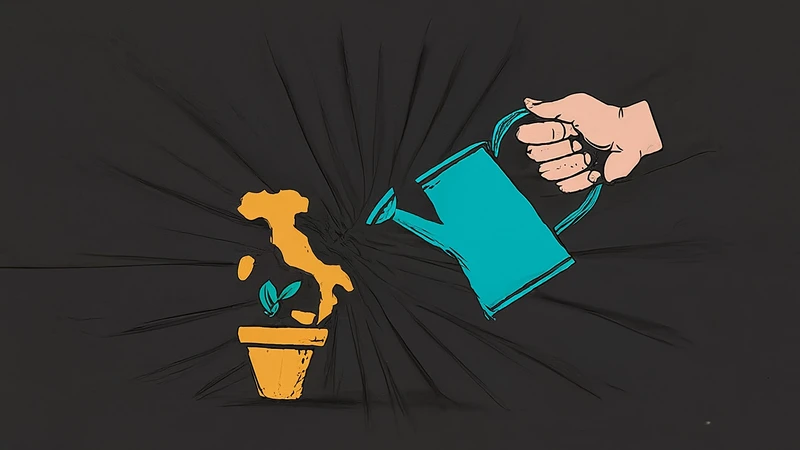
Final Thoughts: Politics is Just Part of Italian Life
So, there you have it – my attempt at a guided tour through the main players in the lively, sometimes confusing, but always interesting world of Italian politics. As you can probably tell, it’s a landscape that’s always shifting, with deep historical roots and parties covering a really wide range of ideas.
From my perspective as an Italian living here, politics isn’t some distant thing only politicians talk about. It’s really woven into the fabric of our everyday lives. You hear people arguing about it passionately at the local bar, discussing it in the town square (the piazza), and debating it around the family dinner table. It reflects our history, our strong regional identities, our hopes for the future, and definitely our frustrations too. 
Understanding these different parties, even just getting a basic sense of who they are, can give you a much richer feel for Italy today. It helps make sense of the news headlines, the public debates you might overhear, and maybe the direction the country seems to be heading in. It’s constantly changing, always being discussed, and never, ever dull. That feels very Italian to me!
Key Political Vocabulary to Expand Your Understanding
If you’re reading Italian news or listening to discussions, here are some essential political terms that’ll help you follow along:
- Il governo (the government) / Governare (to govern)
- Il parlamento (parliament) / Il senato (the senate)
- Il deputato/la deputata (member of parliament)
- L’elezione (the election) / Votare (to vote)
- Il voto (the vote) / La scheda (the ballot)
- Il programma politico (political platform)
- La coalizione (coalition)
- L’opposizione (the opposition)
- La crisi politica (political crisis)
- Il ministro (minister) / Il ministero (ministry)
- La legge (the law) / Approvare una legge (to pass a law)
- La campagna elettorale (election campaign)
- Dalla destra/dal centro/dalla sinistra (from the right/center/left)
- I valori (values)
- La politica interna (domestic politics)
- La politica estera (foreign policy)
When Italians discuss politics (and they do, constantly!), you’ll hear these phrases:
- “Non sono d’accordo.” (I don’t agree.)
- “Secondo me…” (In my opinion…)
- “Che ne pensi di…?” (What do you think about…?)
- “È un disastro!” (It’s a disaster!)
- “Questo mi preoccupa.” (This worries me.)
- “Chi voterà?” (Who will you vote for?)
How Politics Shapes Everyday Conversation in Italy
Here’s something really important to understand: politics isn’t just something politicians talk about in Parliament. It’s genuinely woven into everyday Italian life and conversation in a way that might feel intense if you’re not used to it.
In Italy, you’ll find passionate political discussions happening:
- At the bar or café – While standing at the counter with your espresso, regulars might be debating the latest government decision or arguing about an upcoming election. The barista usually has opinions too!
- At family dinner tables – Family gatherings often involve lively (sometimes heated!) political debates. Different generations might support different parties, and these discussions can be animated but are usually accepted as normal family dynamic.
- On the street – In city centers or piazzas, you’ll see posters, graffiti, and public notices from various parties. Campaign season gets especially visible and vocal.
- In the workplace – People will often openly discuss who they’re voting for or what they think about current policies. It’s generally seen as natural political engagement rather than inappropriate conversation.
- In the media – Italian television, radio, and newspapers dedicate enormous amounts of time to political coverage and debate. There are entire shows dedicated to discussing politics, and panels of experts and regular citizens discussing current affairs are very popular.
What’s interesting is that while these discussions can get passionate and even seem argumentative to outsiders, many Italians see it as just normale (normal). It’s a way of staying informed, expressing values, and feeling connected to the country’s direction.
Regional Differences: When Politics Varies Dramatically Across Italy
One thing that really shapes Italian politics is the strong regional identity. Italy isn’t monolithic, and neither is its political landscape.
- The North tends to be more business-oriented and often votes for parties promising economic efficiency (like Lega and Forza Italia). There’s sometimes resentment about supporting poorer regions, especially the South.
- The Center (Tuscany, Umbria, Marche, Lazio around Rome) has traditionally been more left-leaning, with strong support for the PD and environmentalist parties.
- The South has a more complex political landscape. Historically, there’s been strong support for Christian Democratic parties, and today you see varied support across M5S, PD, and right-wing parties. Economic struggles and unemployment sometimes drive voters toward populist movements.
- Sicily and Sardinia, as islands, sometimes have a distinct political culture. Sicily especially has a complicated history and unique regional sensibilities.
These regional preferences reflect real differences in economic conditions, history, cultural traditions, and people’s everyday concerns. A farmer in Piedmont might care about different things than a retiree in Calabria, and that shapes who they vote for.
Tips for Following Italian Politics as a Learner
If you want to stay informed and actually understand what’s happening in Italian politics, here are some practical tips:
- Start with the basics – Read overviews in Italian news sources aimed at general audiences before diving into complex policy debates.
- Follow news outlets – Major Italian newspapers include La Repubblica, Corriere della Sera, and Il Sole 24 Ore. News sites like Ansa.it and Rainews offer good coverage. Start with headlines and summaries.
- Watch political shows – If your Italian level is good enough, watching evening news or political debate shows (very common on Italian TV) exposes you to how Italians actually discuss these topics and introduces political vocabulary in context.
- Engage in conversations – If you’re learning Italian or visiting Italy, asking Italians about their political views can be a great conversation starter (and a more natural way to learn the language!). Most Italians are happy to share their opinions.
- Understand the emotional context – Politics in Italy often reflects deep values about family, identity, economic security, and regional pride. When someone’s passionate about a political topic, they’re often passionate about these underlying values too.
- Remember: it’s complex – Don’t expect to understand everything immediately. Italian politics has layers of history, regional complexity, and constantly shifting coalitions. Even Italians sometimes find it confusing!
Ready to Speak About Politics in Italian?
Understanding Italian politics is fascinating, but here’s the real magic: being able to discuss it with a native Italian speaker. That’s when things get real! You’ll learn not just the vocabulary and facts, but also the cultural context, the passion, and the subtle nuances that no textbook can fully capture.
If you want to move beyond reading about politics and actually discuss current events, defend your opinions, and engage in real conversations with a native Italian, my 1:1 Italian conversation classes are designed exactly for this. You’ll practice discussing current events, express your viewpoints confidently, and develop the conversational fluency to participate in real Italian discussions – whether that’s at a café in Rome or with Italian friends online.
Ready to go beyond politics and master Italian conversation? Book a personal conversation session with me and practice discussing everything from politics to culture to everyday life. Let’s make your Italian come alive!Spero che questa panoramica ti sia stata utile! (I hope this overview was helpful to you!)