Ciao ragazzi!
I’m Giulia, your Italian teacher, and today I want to talk about something really fun and useful in Italian: idioms. You know, those phrases where the words together mean something totally different from their individual meanings? Learning them is a big step towards sounding more natural, more italiano.
When my students start using idioms correctly, it’s a great sign they’re getting comfortable with the language. But I know idioms can seem tricky at first. They don’t always make logical sense if you just translate them word-for-word. Think about English idioms like “break a leg” or “bite the bullet” – they sound weird if you don’t know what they mean, right? Italian is packed with similar expressions.
In this post, I want to walk you through some common Italian idioms. We’ll look at what they mean, where they come from, and how you can actually start using them in your own conversations. Don’t worry about memorizing everything perfectly right away. The goal is to start recognizing them and understanding why we Italians use them so much. They add color, humor, and a bit of cultural flavor to how we talk. Andiamo! Let’s get started.
What Exactly is an Italian Idiom?
So, what are we talking about when we say “idiom” (or espressione idiomatica in Italian)?
Basically, it’s a fixed phrase where the meaning isn’t obvious just by looking at the individual words. The phrase has taken on a special, figurative meaning over time through common use.
Let me give you an example I mentioned briefly before: prendere lucciole per lanterne.
- Literally: “to take fireflies for lanterns”
- Real meaning: To mistake one thing for another, to get completely the wrong idea about something.
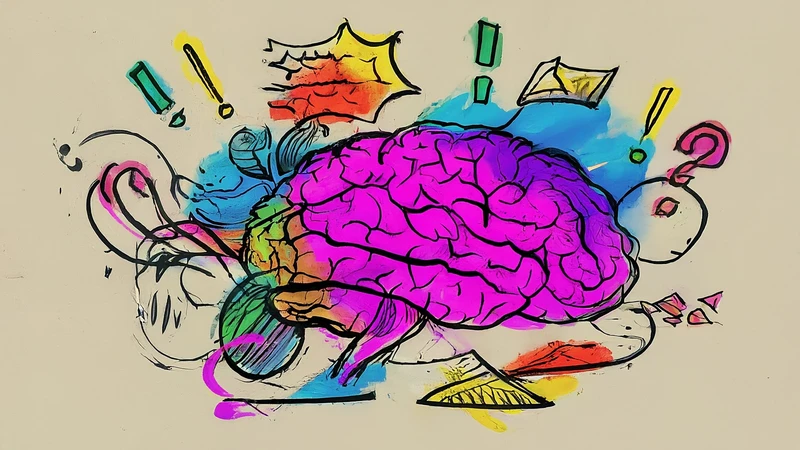
You see? If you didn’t know the idiom, hearing someone talk about fireflies and lanterns might leave you scratching your head (grattarsi la testa – another idiom, meaning “to puzzle over something”!).
Idioms are shortcuts we use in conversation. They often express an idea more vividly or concisely than a literal explanation. They’re also deeply tied to Italian culture and history, reflecting our way of seeing the world, our past experiences, and even our sense of humor.
Think of them as little inside jokes or cultural references shared by native speakers. When you start understanding and using them, you’re not just speaking Italian; you’re participating more fully in the culture. It shows you’ve gone beyond textbook learning.
It takes time and exposure to get used to them. You need to hear them in context, see how people react, and maybe even make a few funny mistakes yourself (I know I did when learning English idioms!). But that’s all part of the learning process. My advice is to be curious, pay attention when you hear a phrase that sounds strange, and don’t be afraid to ask, “Scusa, cosa significa?” (Excuse me, what does that mean?).
Let’s Look at Some Common Italian Idioms
Alright, let’s get practical. Here are some very common Italian idioms you’re likely to hear. I’ll give you the literal meaning, the real meaning, and an example of how you might hear or use it.
In bocca al lupo!
- Literally: “In the wolf’s mouth!”
- Real meaning: Good luck! This is probably the most famous Italian idiom for wishing someone luck, especially before an exam, performance, or important event.
- How to use it: Before your friend goes for a job interview, you’d say, “In bocca al lupo per il colloquio!”
- Important note: The traditional response isn’t “Grazie” (Thank you). It’s “Crepi il lupo!” or just “Crepi!” (May the wolf die!). It sounds a bit aggressive, but it’s the standard way to reply. Saying grazie is sometimes thought to bring bad luck in this context, though younger generations might be less strict about it.
Acqua in bocca!
- Literally: “Water in mouth!”
- Real meaning: Keep it secret! Don’t tell anyone. Imagine holding water in your mouth – you can’t speak easily.
- How to use it: If someone tells you a secret, they might add, “Mi raccomando, acqua in bocca!” (Remember, keep it quiet!).
Non vedo l’ora!
- Literally: “I don’t see the hour!”
- Real meaning: I can’t wait! I’m really looking forward to it.
- How to use it: “Andiamo in vacanza la prossima settimana. Non vedo l’ora!” (We’re going on holiday next week. I can’t wait!). This is super common and very useful.
Costare un occhio della testa
- Literally: “To cost an eye of the head” (an eye from your head)
- Real meaning: To be very expensive. Similar to the English “to cost an arm and a leg.”
- How to use it: “Questa borsa è bellissima, ma costa un occhio della testa!” (This bag is beautiful, but it costs an arm and a leg!).
Essere al verde
- Literally: “To be at the green”
- Real meaning: To be broke, to have no money. The origin is debated, maybe related to the colour of the bottom of an empty purse lining, or the base of auction candles that burned down when bidding ended.
- How to use it: “Non posso uscire stasera, sono al verde.” (I can’t go out tonight, I’m broke).
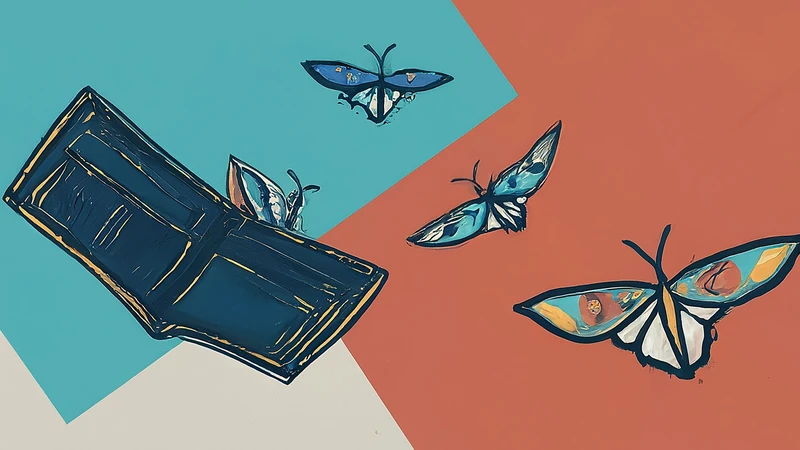
Avere le braccine corte
- Literally: “To have short little arms”
- Real meaning: To be stingy or cheap. The idea is that your arms are too short to reach into your pocket for money.
- How to use it: It’s often used teasingly. “Non fare quello con le braccine corte, paga tu il caffè!” (Don’t be stingy, you pay for the coffee!).
Fare una figuraccia
- Literally: “To make an ugly figure/impression”
- Real meaning: To make a fool of oneself, to look bad, to be embarrassed. The opposite is fare una bella figura (to make a good impression). Making a good impression is quite important in Italian culture.
- How to use it: “Ho rovesciato il vino sulla tovaglia… che figuraccia!” (I spilled wine on the tablecloth… how embarrassing!).
Piove sul bagnato
- Literally: “It rains on the wet”
- Real meaning: Good things keep happening to someone already fortunate, or bad things keep happening to someone already unlucky. It implies an unfairness or excess. Like “when it rains, it pours,” but often used for good fortune piling up on the lucky.
- How to use it: “Ha vinto alla lotteria e ha anche ottenuto una promozione? Piove sul bagnato!” (He won the lottery and also got a promotion? Good things always happen to him!).
Prendere due piccioni con una fava
- Literally: “To take two pigeons with one bean”
- Real meaning: To kill two birds with one stone. To achieve two goals with a single action.
- How to use it: “Vado a trovare mia nonna e sulla strada passo a prendere il pane, così prendo due piccioni con una fava.” (I’m going to visit my grandma, and on the way, I’ll pick up the bread, killing two birds with one stone).
Rompere le scatole a qualcuno
- Literally: “To break someone’s boxes”
- Real meaning: To annoy someone, to bother them, to be a pain. It’s informal but very common.
- How to use it: “Smettila di farmi domande, mi stai rompendo le scatole!” (Stop asking me questions, you’re annoying me!).
This is just a small taste! There are thousands of idioms in Italian. My advice? Start with these common ones. Listen for them when you watch Italian movies or talk to native speakers. Try using one when you feel confident. It’s okay if it’s not perfect at first.
Why Idioms Tell Us About Italian Culture
Idioms aren’t just linguistic quirks; they’re windows into Italian culture and history. They often reflect shared experiences, values, or ways of thinking. Let’s look at a couple of examples more closely.
Chiudere un occhio (Literally: “to close one eye”): As mentioned, this means to turn a blind eye, to deliberately ignore something wrong or against the rules. Its origin might be from puppet theatre, but the concept itself says something about a certain flexibility (sometimes good, sometimes not!) in applying rules, which can be seen as a part of Italian life. It suggests a willingness to overlook minor faults or infractions, perhaps valuing relationships or practicality over strict adherence.
Andare a letto con le galline (Literally: “to go to bed with the chickens”): This simply means to go to bed very early. It harks back to a more rural past when life was tied to the rhythms of nature, and farmers would rise and sleep with the sun and their animals. Even though most Italians don’t live on farms anymore, the expression persists, connecting modern life to agricultural roots.
Mangiare la foglia (Literally: “to eat the leaf”): This means to understand the hidden meaning, to see through a trick or deception, to catch on. The origin is uncertain – maybe related to animals knowing which leaves are safe to eat, or perhaps referencing a specific historical event or story now lost to time. It points to a certain savviness or awareness valued in navigating social situations. You need to be alert and understand what’s really being said or done.
Avere le mani in pasta (Literally: “to have one’s hands in the dough”): This means to be involved in something, often implying influence, connections, or even being implicated in slightly shady dealings. It conjures the image of someone actively working with dough, getting their hands dirty. Food, like pasta and dough, is so central to Italian culture that it naturally finds its way into many idioms, reflecting its importance in daily life and social interactions.
When you learn these idioms, you’re not just learning vocabulary; you’re absorbing bits of cultural history and perspective. You start to understand nuances – the importance of la bella figura, the connection to the land, the value placed on intuition or social navigation. It’s a deeper way to connect with Italy and its people.
Regional Variations: A Touch of Local Flavor
Italy isn’t just one monolithic culture; it’s a tapestry of diverse regions, each with its own history, dialect, and, yes, its own idioms! While the common idioms I listed earlier are understood pretty much everywhere, you’ll definitely encounter expressions specific to certain areas as you travel or talk to people from different parts of Italy.
This can be both exciting and a bit confusing for learners. Don’t worry if you hear something completely unfamiliar; even Italians might not know idioms from a region far from their own.
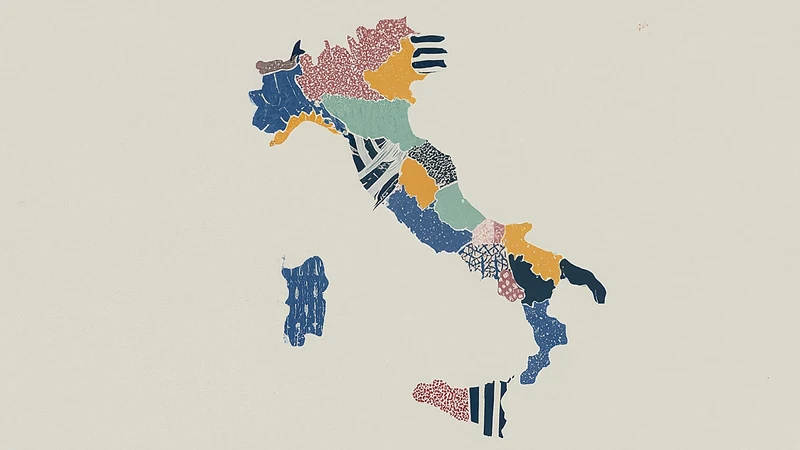
Here are just a few examples to give you an idea:
Veneto (Venice area): You might hear “No’ ghe sboro” (or variants) which is a very informal, dialectal way to say something like “No way!”, “Absolutely not!”, or sometimes used to express disbelief or strong refusal. It’s definitely not standard Italian! Another Venetian expression is “Tirarsi indrio come i gati sul bagnà” (To pull back like cats on wet ground), meaning to be very reluctant or hesitant.
Lombardy (Milan area): An expression sometimes associated with Milan is “Fare la gatta morta” (Literally: “to play the dead cat”). It means to feign innocence or shyness, often to manipulate someone or get what you want. It describes someone who looks harmless but is actually cunning.
Tuscany (Florence area): Florentines are known for their sharp wit and specific expressions. One is “Senza lilleri ‘un si lallera” (Without money, you don’t sing/have fun). It’s a very direct, dialectal way of saying that you need money to enjoy life or do things. Another phrase you might hear is “Mandare a buco pillole” (Literally: to send pills to the hole), meaning to ruin something or mess up plans.
Rome: Romans have a very colorful dialect (romanesco). An idiom might be “Non t’aregge” (Literally: “It doesn’t hold you up”), meaning “You can’t handle it” or “It’s too much for you”. Another classic is “Abbozzare”, which means to reluctantly accept something unpleasant, to put up with it without complaining too much. “Che vuoi fare? Abbozza!” (What can you do? Just lump it!).
Naples: Neapolitan dialect is almost a language in itself! An expression is “Pare ‘a neve ’e marzo” (It seems like March snow), referring to something that disappears quickly, that doesn’t last. Another is “Ogni scarafone è bello a mamma soja” (Every cockroach is beautiful to its mother), meaning that everyone loves their own children, no matter what they look like or do – similar to “beauty is in the eye of the beholder,” but specifically about maternal love.
Encountering these regional idioms is part of the richness of the Italian language. If you hear one you don’t understand, just ask! People are usually happy to explain their local expressions. It shows you’re genuinely interested in the culture beyond the standard language.
Idioms in Italian Movies and Books
Italian idioms aren’t confined to just spoken conversations. They pop up everywhere in Italian culture, including literature, films, and music. Paying attention to them in these contexts can be a great way to learn.
Think about classic Italian films. Directors like Federico Fellini, Vittorio De Sica, or Mario Monicelli masterfully used everyday language, including idioms and regional expressions, to make their characters feel real and grounded. In Fellini’s La Dolce Vita, the dialogue reflects the sophisticated yet sometimes cynical Roman society of the time, sprinkled with expressions that add flavor. Or consider comedies like Monicelli’s I Soliti Ignoti (Big Deal on Madonna Street), where the Roman dialect and idioms are essential to the humor and characterization of the small-time thieves. Watching these films (with Italian subtitles if needed!) can expose you to idioms used naturally.
In literature, too, idioms add depth. From Dante Alighieri in the Divine Comedy using expressions that were common in medieval Tuscany (some of which are still recognizable today, like maybe echoes of pescare nel torbido - “to fish in troubled waters”, meaning to take advantage of a confusing situation), to modern writers like Elena Ferrante whose Neapolitan novels are rich with the dialect and expressions of Naples, idioms help paint a vivid picture of the setting and characters’ voices. Reading Italian authors and noticing these phrases can really enhance your understanding. When you read a phrase like “fare buon viso a cattivo gioco” (literally “make a good face at a bad game,” meaning to put on a brave face in a difficult situation), it adds a layer of meaning that a simple translation might miss.
Even in Italian pop music, songwriters often use idiomatic language to connect with listeners and express emotions effectively. Listening to Italian songs and looking up the lyrics can be a fun way to pick up new expressions.
So, next time you watch an Italian movie, read an Italian book, or listen to Italian music, keep your ears (and eyes) open for these colorful phrases!
Tips for Learning and Using Italian Idioms
Okay, so you’re convinced that idioms are important and maybe even fun. But how do you actually go about learning them and, eventually, using them yourself? Here are some tips based on my experience as a teacher and learner:
- Don’t Try to Learn Lists: Memorizing long lists of idioms out of context is usually not very effective. It’s better to learn them gradually as you encounter them.
- Focus on the Most Common Ones First: Start with the high-frequency idioms like in bocca al lupo, non vedo l’ora, acqua in bocca, costare un occhio della testa, essere al verde. You’ll hear these often, making them easier to remember and understand in context.
- Pay Attention to Context: This is crucial. The same words might be part of an idiom in one sentence and literal in another. When you hear or read a phrase that seems strange, look at the situation. Who is talking? What are they talking about? What happened before? Context usually provides the clues to the figurative meaning.
- Listen Actively: When watching Italian films, TV shows, or listening to podcasts or conversations, actively listen for phrases that stand out. Pause and replay if you need to. Try to guess the meaning from the context before looking it up.
- Keep an Idiom Notebook (Digital or Physical): When you learn a new idiom, write it down. Note the idiom itself, its literal translation (if it helps you remember), its actual meaning, and an example sentence showing how it’s used. Review your notebook regularly.
- Use Flashcards: Apps like Anki or Quizlet can be great for idioms. Put the idiom on one side and the meaning/example on the other. Test yourself regularly.
- Ask Native Speakers: If you have Italian friends, tutors, or language exchange partners, ask them about idioms! Ask them to explain ones you’ve heard, or ask for common idioms related to a specific topic (e.g., “How do you say ’to be really tired’ idiomatically?”). They might tell you “essere cotto” (to be cooked) or “non reggersi in piedi” (to not hold oneself standing).
- Try Using Them (Carefully at First): Once you feel comfortable with an idiom’s meaning and context, try using it. Maybe start with safer, very common ones. Don’t worry if it feels awkward initially. It’s better to try and make a small mistake than to never try at all. Native speakers usually appreciate the effort.
- Don’t Overdo It: While using idioms makes you sound more natural, stuffing every sentence with them can sound forced or unnatural. Use them sparingly, just as native speakers do.
- Laugh at Mistakes: You will probably misuse an idiom at some point. It happens to everyone! I certainly made mistakes with English idioms. If someone corrects you or looks confused, just laugh it off, ask for clarification, and learn from it. Sbagliando s’impara (One learns by making mistakes) - another useful Italian saying!

Learning idioms is a marathon, not a sprint. Be patient with yourself, stay curious, and enjoy the process of discovering this expressive part of the Italian language.
Wrapping Up: Idioms Make Italian Come Alive
So, we’ve taken a look at the world of Italian idioms. We’ve seen they’re more than just quirky phrases; they are essential tools for communication, packed with cultural meaning, historical echoes, and regional flavor.
From wishing someone in bocca al lupo before a challenge, to telling a friend acqua in bocca when sharing a secret, or admitting sono al verde when you can’t afford something – these expressions add color and authenticity to your Italian.
As your teacher, I really encourage you to embrace idioms. Don’t be intimidated by them. See them as a fun challenge and a way to connect more deeply with the language and the Italian way of thinking. Start small, listen carefully, ask questions, and little by little, try incorporating them into your conversations.
It takes time, yes, but every idiom you learn is another key to unlocking a richer, more nuanced understanding of Italian. It helps you move beyond just translating words to truly feeling the language.
So, keep listening, keep learning, and don’t be afraid to buttarsi (throw yourself in – another idiom, meaning to dive in or take the plunge!). The world of Italian idioms is waiting for you.
Buona fortuna e buono studio! (Good luck and happy studying!)