Ciao! I’m Giulia, your Italian teacher. One question I get asked a lot by parents is about using Italian cartoons and films to help their young children (ages 3-8) learn the language. It sounds like a great idea, right? Kids love movies, and it feels like a fun way to expose them to Italian. And it absolutely can be! But finding the right show, especially for very young beginners, is trickier than it might seem.
Who is this guide for? Parents of preschool / early-primary beginners (ages 3-8) starting Italian from zero. If you are an adult or teen learner looking for famous classics and cinema history, this is not that list.
Many people jump to famous Italian films, thinking that quality automatically means suitability. Sometimes, well-meaning recommendations pop up for movies that, while wonderful pieces of cinema, aren’t really the best fit for a little one just starting their Italian journey. Today, I want to share my thoughts as a native speaker and teacher on how to choose genuinely helpful and enjoyable films for your young beginner children learning Italian.
Why Use Films for Young Language Learners?
Using movies or shows can be a fantastic tool in your child’s language learning toolkit. Here’s why I think it works well, particularly for kids:
- Natural Immersion: It surrounds them with the sounds and rhythm of Italian in a context they might actually pay attention to. It’s not like a grammar drill; it’s hearing the language used.
- Visual Context is Key: This is huge for beginners. Children can often understand what’s happening on screen even if they don’t know all the words. The pictures, actions, and expressions provide clues to the meaning. This connection between sound and image helps comprehension.
- Hearing Native Speakers: They get to hear different voices, accents (though children’s media often uses fairly standard Italian), and intonations. This helps attune their ear to the language.
- Making it Fun: Let’s be honest, if it feels like fun, kids are more likely to engage. A captivating story or funny characters can make language exposure feel like entertainment, not homework.
- Cultural Snippets: Even simple children’s stories can offer little glimpses into Italian culture, ways of thinking, or common scenarios.
But, and this is a big but, all these benefits depend heavily on choosing the right content.
What Makes a Film Good for Very Beginner Children?
When I say very beginner children, I’m thinking about young kids, maybe preschool or early elementary age, who are just starting out with Italian. They might know a few words or basic phrases, or perhaps nothing at all yet. For this group, the criteria for a good film are quite specific:
- Simple Language: This is crucial. The dialogue should use basic vocabulary and short, straightforward sentences. Complex grammar or fast-paced, slang-filled conversations will just fly over their heads.
- Clear Visual Storytelling: The story should be easy to follow visually. Lots of action, clear facial expressions, and situations kids can relate to (playing, eating, family life) are helpful.
- Repetition: Children learn well through repetition. Films or shows where characters repeat certain phrases or songs, or where episodes follow a similar pattern, can be very effective.
- Engaging and Age-Appropriate Story: It needs to hold their attention! Bright colors, appealing characters, and simple plots work well. The themes should also be suitable for young children – nothing too scary, complex, or emotionally heavy.
- Manageable Length: Younger children have shorter attention spans. Full-length feature films might be too much. Short films, or better yet, episodes of a TV series (often 5-20 minutes), are usually a better starting point. Animation often ticks many of these boxes.
The Famous Film Trap: Why “La Vita è Bella” Isn’t for Young Beginners
Now, let’s talk about a film that often gets mentioned: “La Vita è Bella” (Life is Beautiful). It’s a masterpiece of Italian cinema, directed by and starring Roberto Benigni. It won Oscars, touched hearts worldwide, and is undeniably a powerful, important film. I love it myself.
However, I often see it suggested for language learners, sometimes even for children, and I feel I need to be very direct here: “La Vita è Bella” is generally not suitable for very young beginner children learning Italian.
Why do I say this so strongly?
- Complex and Heavy Themes: The film is set during World War II and deals with the Holocaust and life in a concentration camp. While it uses humor and imagination to shield the child within the story, the underlying reality is incredibly serious, frightening, and potentially traumatic for a young viewer who doesn’t have the emotional maturity or historical context to understand it. These are themes that require careful handling and discussion even with much older children.
- Language Level: While the father-son interactions are touching, the language isn’t necessarily simple or geared towards beginners. There’s humor based on wordplay and situations that require a good grasp of Italian culture and language nuances.
- Emotional Weight: The film blends humor and tragedy in a way that is emotionally complex. For a young child just looking for fun exposure to Italian sounds, this emotional rollercoaster is inappropriate and confusing.
I understand why people might suggest it – it’s famous, it features a child, it’s Italian. But its fame doesn’t make it right for this specific purpose: introducing very young children to Italian in an easy, positive way. It’s a film that older children (perhaps pre-teens or teenagers, with parental guidance and discussion) or adults learning Italian might watch and discuss, but it’s definitely not my recommendation for the little ones starting out.
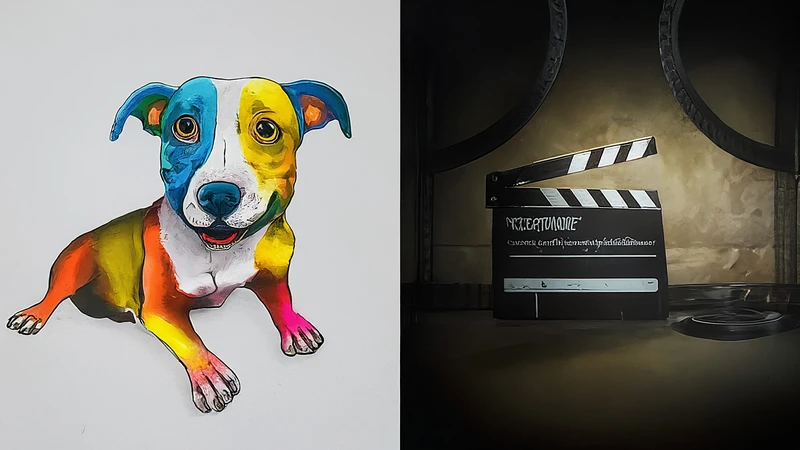
My Recommendations: Italian Cartoons and Shows for Young Beginners
So, what do I recommend? Based on my experience as a teacher and knowing what works for young learners, I usually point parents towards Italian animation and children’s TV shows. These are often designed specifically for the target age group and tend to meet the criteria I mentioned earlier. Here are a few options that are genuinely good starting points:
1. Pimpa
- What it is: A classic Italian cartoon character created by Altan. Pimpa is a friendly white dog with red spots who lives with Armando, an older man. Each episode features Pimpa having simple adventures, often meeting quirky animal friends.
- Why it’s good for beginners:
- Very Simple Language: The dialogue is clear, slow, and uses basic vocabulary and sentence structures. Perfect for picking up everyday words.
- Repetitive Structure: Many episodes follow a familiar pattern, which helps kids anticipate and learn.
- Clear Animation: The style is simple and colorful, making it easy to follow the story visually.
- Gentle and Positive: The stories are always kind, imaginative, and reassuring. No scary stuff here.
- Short Episodes: Usually around 5 minutes long, ideal for short attention spans.
- Where to find it: You can often find Pimpa episodes on RaiPlay (the streaming service of Italy’s public broadcaster RAI) or on YouTube.
2. La Freccia Azzurra (The Blue Arrow)
- What it is: A beautiful animated feature film from 1996 directed by Enzo D’Alò, based on a story by the beloved Italian children’s author Gianni Rodari. It tells the story of toys in a Befana shop who come to life to find the children who were meant to receive them.
- Why it’s good (with a slight caveat):
- Charming Story: It’s a heartwarming, imaginative tale with appealing characters (the toys!).
- Based on Italian Tradition: It revolves around the Befana, an important figure in Italian Christmas folklore, offering a nice cultural touchpoint.
- Clear Animation: The animation style is lovely and helps tell the story.
- Language: The language is generally accessible, though being a full-length film, it’s a bit more complex than Pimpa. This might be better for slightly older beginners or for watching in chunks.
- Caveat: It’s a feature film, so it’s longer. Also, there are moments of mild peril or sadness (toys getting lost or broken), which might be slightly sensitive for the very youngest viewers, but it’s generally considered a family-friendly classic.
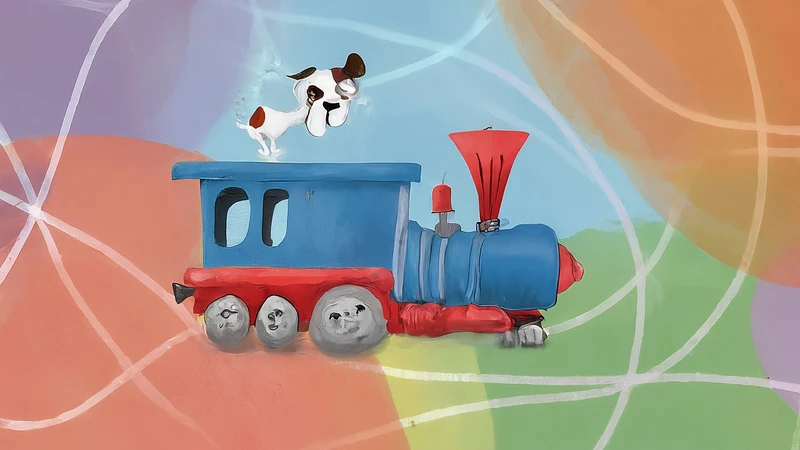
3. Mio Mao
- What it is: A charming stop-motion (claymation) series from the 1970s, but timeless in its appeal. It features two little kittens, Mio (white) and Mao (red), exploring a garden world and encountering different animals.
- Why it’s good for absolute beginners:
- Minimal Dialogue: This is the key feature. There are almost no spoken words! The soundtrack consists mainly of music, simple sound effects, and the kittens’ distinct “meows” and vocalizations.
- Focus on Visuals: Because there’s no dialogue to rely on, the storytelling is entirely visual. Kids watch the kittens’ actions and interactions to understand what’s happening.
- Very Simple Concepts: The episodes explore basic ideas like shapes, sounds, and animal behaviors.
- Calm and Gentle: It’s very soothing and slow-paced.
- How it helps: While it won’t teach specific Italian words, Mio Mao is excellent for very young children (toddlers, preschoolers) as a gentle introduction to Italian media. It gets them used to watching something “Italian” without the pressure of understanding language, focusing purely on visual comprehension and enjoyment. You can talk about what’s happening in Italian as you watch together. Episodes are usually found on YouTube or RaiPlay.
4. Dubbed Cartoons (Peppa Pig, Paw Patrol, etc. in Italian)
- What they are: Many globally popular children’s cartoons are dubbed into Italian. Think of Peppa Pig (Peppa Pig!), PAW Patrol (PAW Patrol - La Squadra dei Cuccioli), Masha and Bear (Masha e Orso), etc.
- Why they can be useful:
- Familiarity: Your child might already know and love these characters and stories in English. Seeing them in Italian can make the language feel less foreign and more accessible. They already have the context, so they can focus on the new words.
- Simple Language (Usually): Dubs for preschoolers are typically done using relatively simple and clear Italian.
- Availability: These are often easy to find on streaming services (like Netflix, check audio options) or YouTube.
- The Downside: It’s not original Italian content. While the language practice is valid, you miss out on the cultural nuances that might come from shows created in Italy. However, for pure beginner exposure and vocabulary building, familiar dubbed shows can be a very practical tool.
How to Make Film Watching Effective (and Fun!)
Just putting on an Italian cartoon isn’t magic. Here are some tips I give parents on how to make screen time a more active language learning experience:
- Start Short: Don’t expect a young child to sit through a 90-minute film. Begin with 5-10 minute episodes or clips.
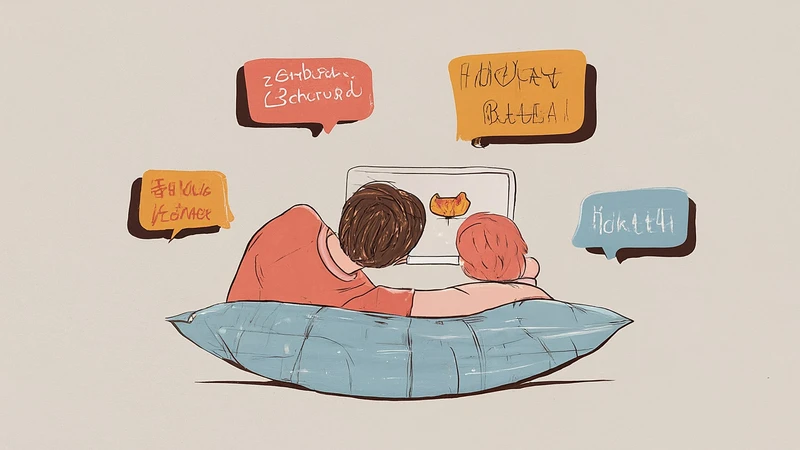
- Watch With Them (Sometimes): Especially at the beginning, watching together allows you to gauge their understanding, point things out (“Guarda il cane!”), and share the experience.
![Illustration of parent and child learning Italian together using a tablet with interactive word bubbles.]()
- To Subtitle or Not? This is debatable. For very young beginners who can’t read yet, subtitles are irrelevant. For slightly older beginners who can read, Italian subtitles can sometimes be helpful to connect spoken and written words. English subtitles defeat the purpose of immersion, so I’d avoid them if the goal is language learning. Often, especially with visually clear content, no subtitles are best for encouraging listening comprehension.
- Don’t Aim for 100% Understanding: It’s okay if they don’t get every word. The goal is exposure, picking up the rhythm, catching familiar words, and understanding the gist through visuals. Focus on overall comprehension, not perfection.
- Pause and Repeat: If you hear a simple, useful phrase (“Andiamo!” - Let’s go!, “Grazie!” - Thank you!), pause and repeat it. Maybe even have your child repeat it. Don’t overdo it, but occasional repetition reinforces vocabulary.
- Talk About It Afterwards: Ask simple questions in English or Italian (depending on their level): “Did you like it?” “Who was your favorite character?” “What happened?” This reinforces memory and encourages them to use any new words they might have picked up.
- Keep it Low Pressure: The moment it feels like a forced lesson, kids might resist. Keep it light and fun. If they’re not enjoying a particular show, try another one.
- Connect to Other Activities: If you watch an episode about animals, maybe draw the animals afterwards and label them in Italian. If it’s about food, perhaps try cooking something simple together.
Finding the Right Fit for Your Child
Ultimately, the “best” Italian film or show for your young beginner child is the one they enjoy and engage with, while also being developmentally appropriate. My recommendations like Pimpa or Mio Mao are often safe bets for the youngest learners due to their simplicity and gentle nature. Shows like La Freccia Azzurra or dubbed versions of favorites like Peppa Pig can work well too, perhaps for slightly older beginners or as a next step.
The key is to move beyond just famous titles like “La Vita è Bella” when considering content for this very specific audience. While its cinematic value is immense, its thematic complexity makes it unsuitable for introducing young children to the Italian language in a carefree way.
Explore some of the cartoons I’ve mentioned. See what resonates with your child. Use online resources like RaiPlay (you might need a VPN depending on your location, but it’s the official streamer for Italy’s public broadcaster and has a great kids section, Rai Yoyo) or YouTube (search for the specific Italian titles).
Learning Italian should be an adventure, and using the right media can make it a really fun part of the journey. Don’t hesitate to experiment, keep it light, and celebrate the small moments of understanding and connection your child makes with the language and culture.
FAQ: Italian Films for Beginner Children
What is the best Italian cartoon for absolute beginners? For toddlers and preschoolers, Mio Mao (no dialogue) and Pimpa (very simple, slow Italian, 5-minute episodes) are the safest starting points.
Should I use Italian or English subtitles? For very young children who can’t read yet, use no subtitles. For early readers, use Italian subtitles to connect sound and spelling. Avoid English subtitles if the goal is immersion.
Where can I watch Italian kids shows abroad? Check RaiPlay / Rai Yoyo (you may need a VPN outside Italy), YouTube (search the Italian titles), and Netflix audio options for dubbed shows like Peppa Pig in Italian.
How much screen time is enough for learning? Start with 5-10 minutes, 3-4 times per week, watched together. Talk about what you see in Italian: Guarda il cane! Andiamo! Grazie! Short and joyful beats long and forced.
Start Speaking From Day One
Cartoons give great passive input, but kids learn fastest when they also speak. In my personal tutoring for children we turn words from Pimpa and Peppa Pig into games, songs and mini-dialogues. New to Italian? Start with my free crash course and check the FAQ for lesson formats and prices.
Se avete domande (if you have questions), feel free to ask! Buona visione! (Happy viewing!)