Ciao! I’m Giulia, your native Italian guide, and today I want to talk about something close to my heart (and my stomach!): la colazione, or Italian breakfast.
When people think of Italian food, pasta and pizza often come to mind first. But how do we Italians start our day? If you’re picturing a big plate of eggs, sausages, and toast, you might be surprised. Italian breakfast is quite different, often simpler, quicker, and definitely sweeter than what you might be used to in places like the US or the UK.
For many Italians, myself included, breakfast isn’t a big, drawn-out affair. It’s more of a quick ritual, a necessary pause to wake up before diving into the day. But don’t let its speed fool you; it’s still a cherished moment, centered around specific tastes and habits that are deeply ingrained in our culture. Let’s explore what a typical Italian breakfast really looks like, both at home and at the iconic Italian bar.
What Exactly is a Typical Italian Breakfast (Colazione)?
First things first: colazione in Italy is usually a light meal. We tend to have our main meal, pranzo (lunch), later in the day, often between 1 and 2 PM, and it’s traditionally more substantial. So, breakfast is really just meant to tide us over until then.
The key elements are almost always something sweet and, of course, coffee. Think pastries, cookies, or toast with jam, paired with an espresso or a cappuccino. Savory breakfasts are very uncommon, almost unheard of in most Italian households unless you’re staying in a hotel catering to international tourists.
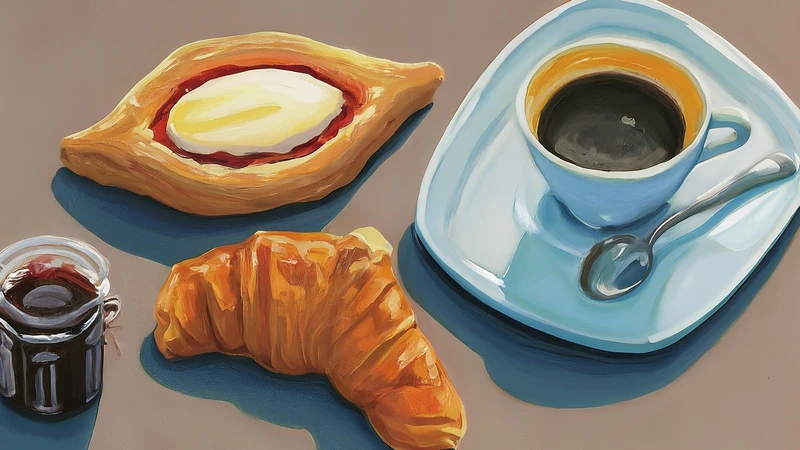
Why so light and sweet? Part of it is tradition, part of it is lifestyle. Many Italians grab breakfast quickly at a bar on their way to work, or have something simple at home. We just don’t have the same tradition of large, cooked breakfasts. It feels natural to us to start the day with a little sugar boost and the strong flavor of coffee.
The Undisputed King: Il Caffè (Italian Coffee)
You simply cannot talk about Italian breakfast without talking about caffè. Coffee isn’t just a drink for us; it’s a fundamental part of our daily routine, especially in the morning. The type of coffee, however, is crucial.
Espresso: The Quick Shot
The default caffè in Italy is espresso. If you just ask for “un caffè,” you’ll get a small cup with a shot of strong, dark, concentrated coffee, often topped with a golden-brown foam called crema. It’s meant to be drunk quickly, often standing at the counter of a bar, in just two or three sips. It’s a quick jolt of energy and flavour to kickstart the brain.
Cappuccino: The Morning Ritual
Probably the most famous Italian coffee internationally, the cappuccino is a staple of Italian breakfast. It’s a perfect balance of espresso, steamed milk, and foamed milk, usually served in a larger cup than espresso. For Italians, cappuccino is strictly a morning drink. We have a sort of unwritten rule: no cappuccino after 11 AM, and definitely not after meals! Why? Because all that milk is considered too heavy to digest later in the day, especially after lunch or dinner. Seeing a tourist order a cappuccino after a large pasta dish makes many Italians cringe inwardly, though we’re usually too polite to say anything!
Other Morning Coffee Choices
While espresso and cappuccino are the stars, there are other options:
- Caffè Macchiato: An espresso “stained” (macchiato means stained or marked) with a dollop of foamed milk. Good if you find straight espresso a bit too intense but don’t want a full cappuccino.
- Latte Macchiato: Steamed milk “stained” with a shot of espresso, often served in a tall glass. It’s milkier than a cappuccino. Be careful: if you just order a “latte” in Italy, you’ll probably just get a glass of cold milk! You need to say caffè latte (or latte macchiato) if you want coffee in it. Caffè latte is usually espresso mixed with warm milk, less frothy than a cappuccino, often served in a glass and commonly made at home.
- Caffè Lungo: An espresso made with more water, so it’s less concentrated but still strong.
- Caffè Ristretto: An espresso made with less water, even more concentrated and intense.
Coffee at Home: The Moka Pot
While the bar is central to coffee culture, many Italians also make coffee at home, especially in the morning. The go-to method? The Moka pot (like the famous Bialetti). This stovetop percolator brews a strong, espresso-like coffee that fills the kitchen with an unmistakable aroma. Having caffè from the Moka pot with milk (caffè latte) is a very common homemade breakfast.
The Sweet Side of Colazione: Pastries and More
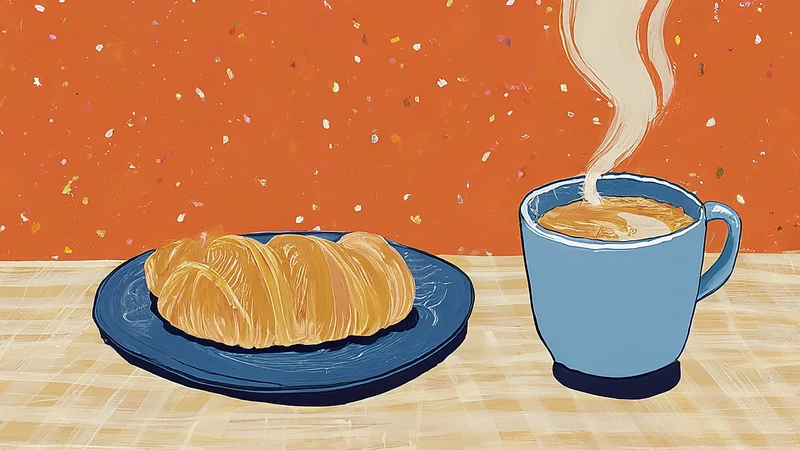
Alongside coffee, something sweet is essential. This usually takes the form of a pastry, cookies, or toast.
The Cornetto: Italy’s Croissant?
The most common breakfast pastry you’ll find in any Italian bar is the cornetto. It looks similar to a French croissant, but it’s typically softer, slightly sweeter, and often made with eggs, giving it a texture closer to brioche. While French croissants are all about flaky, buttery layers, cornetti are a bit more substantial.
They come in different varieties:
- Cornetto semplice / vuoto: Plain.
- Cornetto alla crema: Filled with crema pasticcera (custard). My personal favourite!
- Cornetto al cioccolato: Filled with chocolate cream or Nutella.
- Cornetto alla marmellata: Filled with jam (often apricot).
- Cornetto integrale: Whole wheat, sometimes filled with honey (miele) or berries (frutti di bosco).
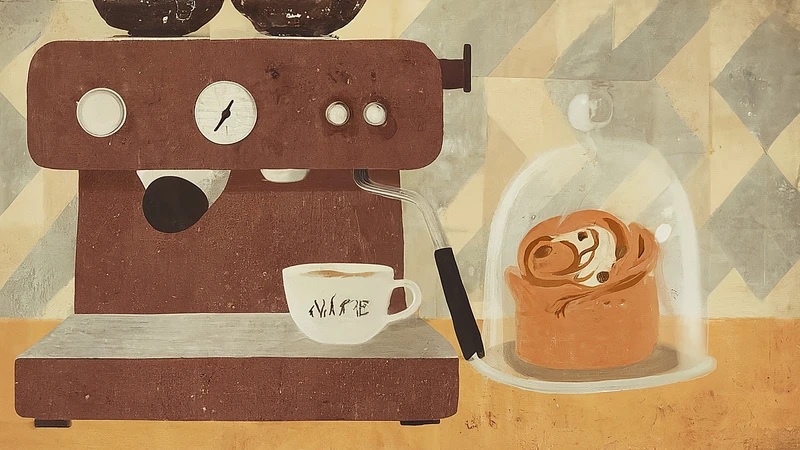
You’ll often hear Italians ordering “un cappuccino e un cornetto” – it’s the classic bar breakfast combo.
Other Breakfast Sweets
While the cornetto reigns supreme, there are other options:
- Brioche: This term can be confusing. In Northern Italy, “brioche” is often used interchangeably with “cornetto.” In other regions, a brioche might refer to a different type of sweet, often rounder and softer bun, sometimes served with granita in Sicily.
- Biscotti: Italians love dunking cookies (biscotti) into their morning milk or coffee. There are specific breakfast cookies, often quite plain (like Oro Saiwa or Gentilini), but also more elaborate ones like cantucci (almond biscuits, though usually eaten after dinner) or shortbread (frollini). Supermarket aisles are full of breakfast cookies!
- Fette Biscottate: These are hard, dry rusks, sort of like zwieback toast. They are very popular for breakfast at home, typically topped with butter (burro) and jam (marmellata) or Nutella.
- Pane e Marmellata/Nutella: Simple slices of bread (pane) with jam or Nutella are also common, especially for kids.
- Torte e Crostate: Sometimes, especially on weekends or if there are leftovers from a celebration, Italians might have a slice of simple cake (torta) or jam tart (crostata) for breakfast. Think of a torta della nonna (grandmother’s cake) or a simple ciambella (ring cake).
The Ritual of Colazione al Bar (Breakfast at the Bar)
Going to the bar for breakfast is a deeply Italian ritual. When I say “bar,” I don’t mean a place that primarily serves alcohol like in the US or UK. An Italian bar is more like a café. It opens early in the morning and serves coffee, pastries, sandwiches (panini), sometimes light lunches, and yes, also aperitifs and alcoholic drinks later in the day.
Here’s what having breakfast at the bar typically looks like:
- Enter and Order: You often go to the cashier (cassa) first, tell them what you want (e.g., “Un cappuccino e un cornetto alla crema”), pay, and get a receipt (scontrino).
- Go to the Counter: Take your receipt to the counter (banco) and show it to the barista. Tell them your order again.
- Stand and Consume: Most Italians drink their coffee and eat their pastry standing right there at the counter. It’s quick, efficient, and cheaper than sitting at a table (where there’s often a service charge, coperto or servizio al tavolo).
- Social Interaction: The bar is a social hub. People greet the barista (who often knows regulars by name), chat with neighbours, glance at the newspaper (giornale) laid out on the counter. It’s a quick burst of social energy before work.
- Quick Exit: The whole process might take just 5-10 minutes. Pay, order, consume, chat, leave.
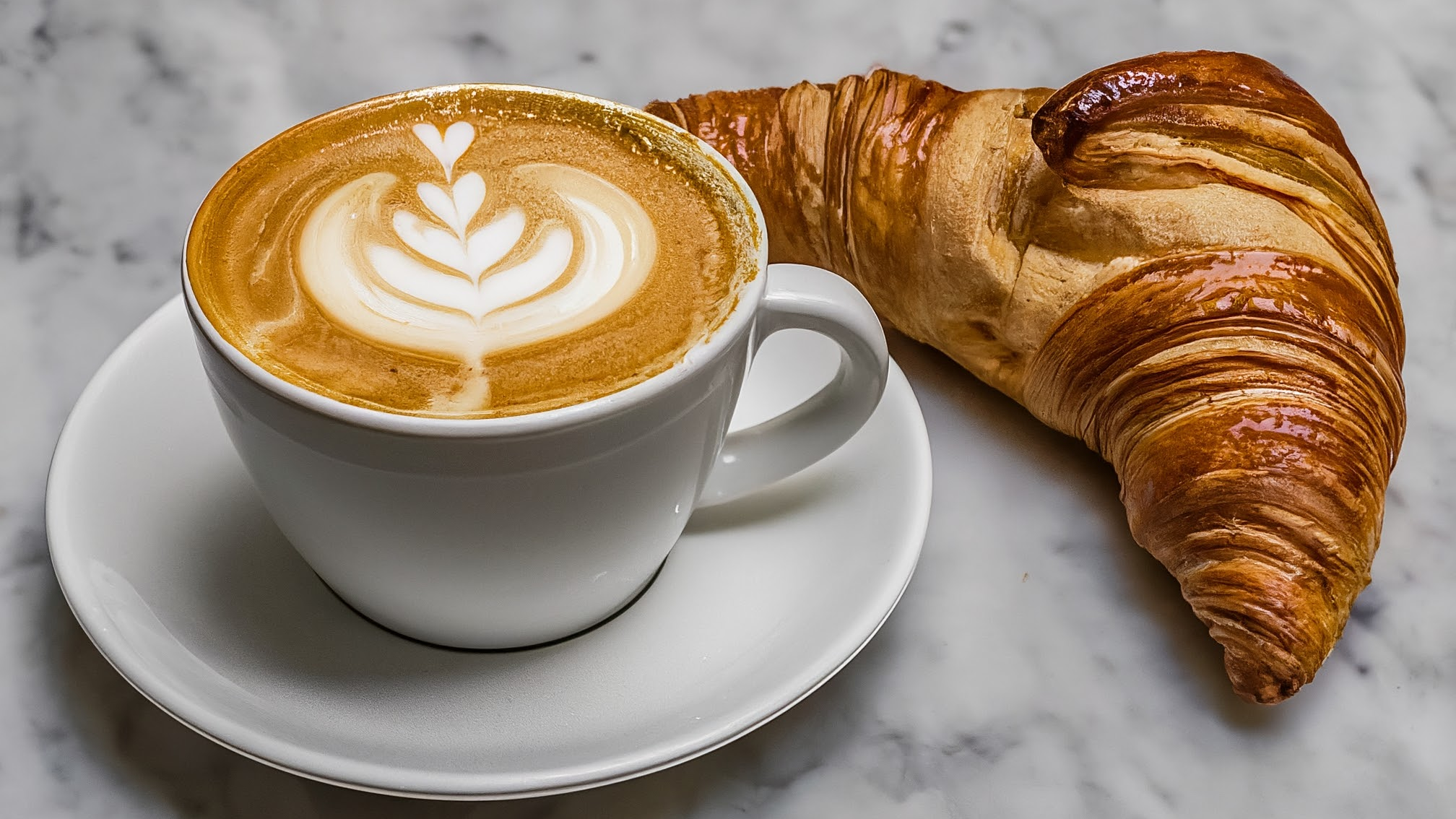
It’s an experience I highly recommend if you visit Italy. It feels very authentic and gives you a glimpse into the daily rhythm of Italian life.
Regional Breakfast Variations: A Taste of Italy’s Diversity
While the coffee-and-sweet-pastry model is widespread, Italy’s strong regional identities mean you’ll find local breakfast specialties too.
- Sicily: Famous for granita for breakfast, especially in summer. This is a semi-frozen dessert made with water, sugar, and flavourings (lemon, almond, coffee, pistachio, mulberry are classics). It’s often served with a soft, sweet brioche bun called “brioscia col tuppo” (brioche with a top knot), perfect for dunking into the granita. It sounds strange to have ice for breakfast, but trust me, on a hot Sicilian morning, it’s incredibly refreshing! (Whimsical hand-drawn illustration of a colourful Sicilian breakfast: a glass of lemon granita with a spoon and a sweet brioche ‘col tuppo’ beside it, on a table with bold geometric tile patterns in blue and yellow.)
- Liguria: You might find locals enjoying a piece of focaccia (a flat, oily bread) sometimes dipped in their cappuccino! It sounds odd, the salty focaccia with the milky coffee, but it’s a traditional combination in places like Genoa.
- Rome: Look out for maritozzi con la panna. These are sweet buns, sliced open and filled generously with whipped cream. Decadent, but delicious!
- Trentino-Alto Adige/South Tyrol: Near the Austrian border, influences shift. Breakfast might include darker breads, rye bread, speck (smoked ham), cheese, and yogurt, reflecting a more Central European style.
- Naples: Besides the classic cornetto, you might find sfogliatelle (shell-shaped pastries with ricotta filling) available for breakfast, alongside amazing coffee.
Exploring these regional differences is part of the fun of traveling through Italy!
What About Savory Breakfast?
As I mentioned, a savory breakfast is not the norm in Italy. You won’t find Italians typically eating eggs, bacon, or sausages first thing in the morning at home or in a standard bar.
However, things are changing slightly, especially in bigger cities and tourist areas. Some modern cafés might offer avocado toast or scrambled eggs. Hotels catering to international guests will almost always offer a buffet with savory options alongside the traditional sweet Italian breakfast.
If you’re at a bar later in the morning (say, closer to 11 AM), you might see people having a small savory snack like a tramezzino (soft white bread sandwich with the crusts cut off) or a small panino, but this is less a traditional breakfast and more of a mid-morning snack (spuntino or merenda).
Colazione at Home: A Simpler Affair
While the bar breakfast is iconic, many Italians, especially families and those not rushing to work, have breakfast at home (a casa). This is usually even simpler:
- Coffee: Made with a Moka pot, often mixed with warm milk (caffè latte).
- Milk: Plain milk (latte) is common, especially for children, sometimes with powdered chocolate or barley mix (orzo).
- Food: Usually biscotti for dunking, fette biscottate with jam or honey, or perhaps packaged pastries or cereal (cereali), which have become more popular over the years. Yogurt (yogurt) and fruit (frutta) are also common additions for a healthier touch.
It’s usually quick, eaten in the kitchen, and focused on getting everyone ready for their day.
Tips for Enjoying Breakfast Like an Italian
If you want to experience colazione like a local during your trip to Italy:
- Embrace the Sweet: Try the cornetto or other local pastries. Don’t expect a big savory spread unless you’re in a tourist hotel.
- Visit a Bar: Experience the ritual of ordering and eating/drinking standing at the counter. It’s cheaper and more authentic.
- Know Your Coffee: Order an espresso for a quick caffeine hit, or a cappuccino / caffè latte / latte macchiato if you prefer milk. Remember the ’no cappuccino after 11 AM’ guideline if you want to blend in!
- Learn Basic Phrases: Knowing how to order can be helpful:
- “Un caffè, per favore.” (An espresso, please.)
- “Un cappuccino e un cornetto alla crema.” (A cappuccino and a custard-filled cornetto.)
- “Posso pagare?” (Can I pay?)
- “Buongiorno!” (Good morning!) - Always greet the staff!
- Be Quick at the Counter: Especially during busy morning hours, know what you want, order efficiently, consume, and make space for others. Lingering is usually done if you sit at a table.
Buon Appetito!
So, Italian breakfast might be different from what you’re used to, but I think it has its own simple charm. It’s a moment centered around the pleasure of good coffee and a sweet treat, a quick pause before the day truly begins. It reflects our approach to food – valuing quality ingredients and time-honored rituals, even in the small moments.
Whether you prefer the bustling energy of a bar or the quiet simplicity of colazione a casa, I hope this gives you a better understanding of how Italians start their day. Next time you’re in Italy, or even if you just want to bring a touch of Italy into your own morning routine, try having breakfast the Italian way!
Buona colazione!
Keep learning: enjoying the culture is one thing — talking about it is the next step. If you’re starting from zero, my A1 beginner level guide lays the foundation, and my A2 elementary level guide takes over once you have the basics. You can also work through my free 10-lesson Italian crash course, or jump straight to the words you’ll actually say at the counter with my guide to ordering at an Italian restaurant.