Ciao! I’m Giulia, your Italian teacher here. As a native speaker, I’ve spent years exploring the beauty and quirks of my language, and I love sharing them with my students. One thing that often comes up is how certain Italian words just sound… funny. It’s not always about the meaning; sometimes it’s the sound, the rhythm, or even the cultural baggage that makes a word amusing, especially to those learning Italian.
Italian is often called the language of love and art, and it truly is beautiful. But it also has a playful side. We have words that mimic sounds, words that feel clumsy or silly to pronounce, and words that describe situations so specific they become humorous.
In this post, I want to share some of my favorite funny Italian words. These aren’t necessarily jokes, but words that often make learners chuckle or raise an eyebrow. We’ll look at why they might sound funny and explore the stories behind them. It’s a great way to see that learning a language isn’t just about grammar rules; it’s also about enjoying its unique character.
So, let’s explore some amusing Italian vocabulary together. Maybe you’ll find a new favorite word!
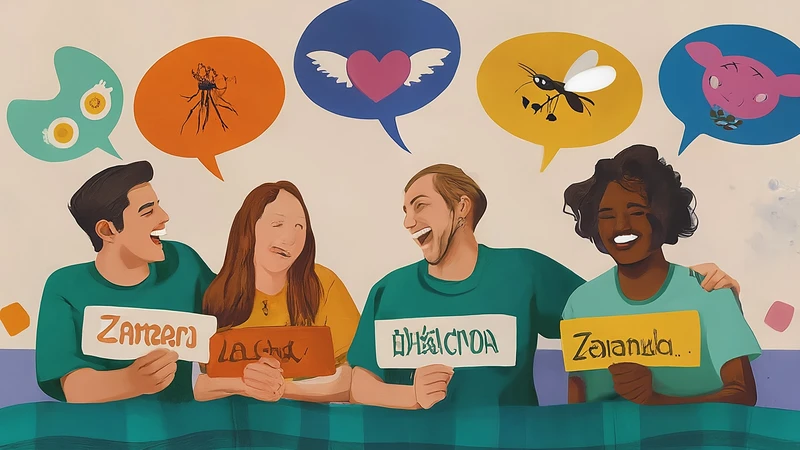
Why Do Some Italian Words Sound Funny?
Before we jump into the list, let’s think about why a word might sound funny. Sometimes it’s:
- Onomatopoeia: The word sounds like the thing it describes (like zanzara for mosquito). This is common across languages but always fun to spot.
- Sound Repetition: Repeating syllables or sounds can make a word feel playful or childlike (like pappagallo for parrot).
- Unexpected Sounds: Certain sound combinations might just strike learners as unusual compared to their native language. The rolling ‘r’, the ‘gl’ sound, or double consonants can sometimes feel exaggerated or tricky, leading to amusement.
- Cultural Context: A word might be funny because of the specific cultural idea it represents (like mammone for a mama’s boy).
- Contrast: A very long or complex-sounding word for a simple concept can be amusing.
- Personal Association: Sometimes, a word just reminds someone of something funny, and that’s perfectly okay!
Keep these ideas in mind as we go through the list. What makes these words funny to you?
My List of Amusing Italian Words
Here are some words that often get a reaction. I’ve tried to explain why they might sound funny and give you a bit more context from my perspective as a native speaker and teacher.
1. Zanzara (Mosquito)
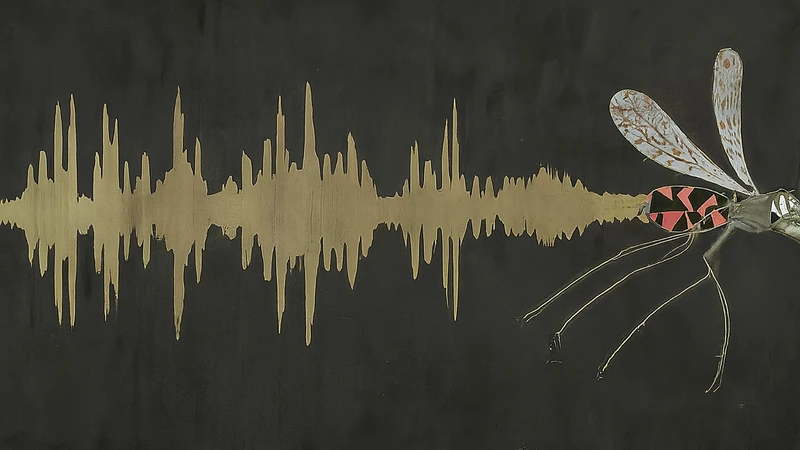
Let’s start with a classic. Zanzara means mosquito. Almost everyone agrees this word sounds exactly like what it describes: that annoying buzzing sound a mosquito makes right before it bites you.
Zan-za-ra! Hear it? That buzzing ‘z’ sound repeated just captures the essence of this tiny pest. It’s a perfect example of onomatopoeia. I find that students pick this word up quickly because the sound association is so strong. It’s almost satisfying to say zanzara when you swat one! It’s much more evocative than just saying “mosquito,” don’t you think? In summer, you hear it a lot: “Attento alle zanzare!” (Watch out for the mosquitoes!).
2. Abbiocco (Drowsiness After Eating)
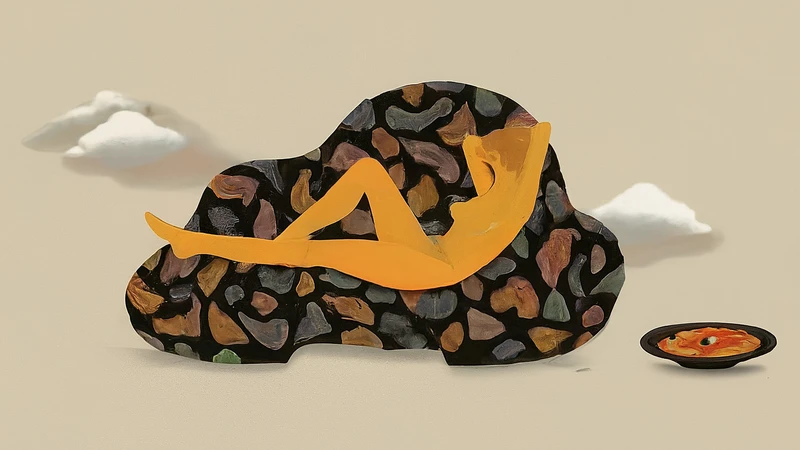
This is one of my personal favorites because it describes such a specific, universal feeling. L’abbiocco is that sleepy, lethargic feeling you get after a big meal, especially lunch with pasta and maybe a glass of wine. Think Thanksgiving dinner drowsiness, but Italian style!
The word itself sounds soft and sleepy, doesn’t it? Ab-bioc-co. It feels like you’re sinking into a comfy chair just saying it. It’s funny because it gives a proper name to that post-meal slump. Instead of just saying “I’m sleepy,” you can dramatically declare, “Ho l’abbiocco!” (I have the ‘abbiocco’!). It acknowledges the power of a good Italian meal. My family often jokes about who has the worst abbiocco after Sunday lunch.
3. Pantofolaio (Couch Potato)
This word literally translates to something like “slipper-man.” Pantofolaio comes from pantofole, which means slippers. It describes someone who loves staying at home, lounging around, maybe watching TV – essentially, a homebody or couch potato.
I think it’s funny because of the image it creates: someone permanently attached to their comfy slippers, shuffling around the house. It sounds a bit lazy and perhaps slightly judgmental, but it’s often used affectionately or humorously. You might tease a friend: “Non esci mai, sei proprio un pantofolaio!” (You never go out, you’re such a couch potato!). The “-aio” suffix often denotes a profession or someone characterized by something, so a pantofolaio is like a professional slipper-wearer!
4. Chiacchierone (Chatterbox)
Someone who talks a lot is a chiacchierone (masculine) or chiacchierona (feminine). The word comes from the verb chiacchierare, which means “to chat.”
This word sounds like chatting itself! Chiac-chie-ro-ne. It has a rapid, almost fluttering sound, much like non-stop talking. It’s another example where the sound seems to fit the meaning perfectly. It’s generally used in a lighthearted way. If a child talks constantly, their grandmother might say fondly, “Sei un vero chiacchierone!” (You’re a real chatterbox!). It’s descriptive and has a nice rhythm to it.
5. Gorgonzola (A Type of Blue Cheese)
Okay, this is a type of cheese, and a delicious one at that! But let’s be honest, Gorgonzola sounds a bit funny. Maybe it’s the combination of the hard ‘g’ sounds with the ‘z’, or the slightly monstrous feel of the name. Some students find it sounds like a mythical creature or a spell.
While we Italians just think of the creamy, tangy blue cheese, I can see why the sound might be amusing to learners. It doesn’t sound particularly “cheesy” or elegant. It’s named after the town of Gorgonzola in Lombardy, so the origin is straightforward, but the sound itself has a certain quirkiness. Ordering a pizza al gorgonzola just feels a bit more fun than ordering a “blue cheese pizza.”
6. Fagiolo (Bean)
This might seem like a very ordinary word: fagiolo means bean (plural: fagioli). So why is it on the list? For many learners, it’s the pronunciation. The ‘gi’ sound (like ‘j’ in ‘job’) followed by the ‘olo’ ending can feel a bit playful or bouncy. Fa-gio-lo.
It’s a staple food in Italian cuisine, especially in Tuscany (fagioli all’uccelletto is a classic dish). Perhaps its commonness makes the slightly sing-song sound unexpected. Saying fagioli just has a different feel than saying “beans.” It’s softer, maybe a bit rounder sounding. It’s not hilarious, but it often brings a little smile.
7. Gattara (Cat Lady)
A gattara is a woman, typically older, who dedicates her life to caring for stray cats. It’s the stereotypical “cat lady.”
The word itself has a nice flow, gat-ta-ra, derived from gatto (cat). It sounds somewhat affectionate, even if the stereotype itself can be slightly negative or pitiable. It’s funny because it’s such a specific cultural archetype captured in one word. You immediately picture a woman surrounded by cats, maybe carrying bags of food. In Italy, especially in cities like Rome with large stray populations, gattare are a real phenomenon, often seen tending to colonies of cats in parks or ruins. Mentioning a gattara usually evokes a very clear, sometimes humorous, image.
8. Pappagallo (Parrot)
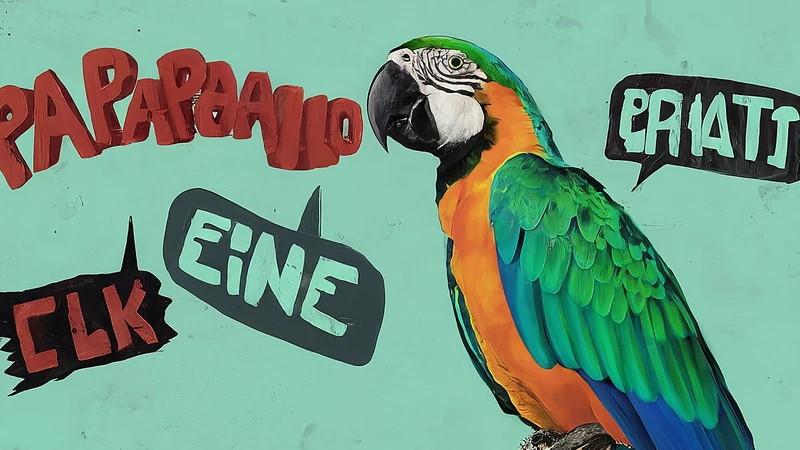
Like zanzara, pappagallo is fun because of its sound. It means parrot. The repetition of the ‘p’ and ’l’ sounds makes it sound slightly goofy and matches the often comical nature of parrots themselves, known for mimicking speech. Pap-pa-gal-lo.
Saying it feels like your mouth is doing a little dance. It’s a word that children love to say. The double consonants (pp and ll) give it that distinct Italian rhythm. It’s much more lively than just “parrot.” Imagine seeing a colorful parrot and exclaiming, “Guarda, un pappagallo!” (Look, a parrot!). The word itself adds to the excitement.
9. Spaghettata (Impromptu Spaghetti Meal)
This word is fantastic. A spaghettata isn’t just spaghetti; it’s an impromptu, often late-night, gathering specifically for eating spaghetti. It implies simplicity, fun, and friends.
The word itself sounds festive and informal – Spa-ghet-ta-ta. The “-ata” suffix often indicates an event or a large quantity of something (like mangiata - a big meal, or camminata - a long walk). So, spaghettata is like a “spaghetti event.” It’s funny because it elevates a simple pasta dish into a special, spontaneous occasion. If you’re hungry late at night with friends, someone might suggest: “Facciamo una spaghettata?” (Should we make spaghetti?). It instantly creates a sense of easy-going, communal enjoyment.
10. Ciccione / Cicciona (Chubby)
This one needs a bit of care. Ciccione (masculine) or cicciona (feminine) means chubby, plump, or even fat. While calling someone fat can be offensive, ciccione often carries an affectionate, almost cute connotation in Italian, especially when used for children or close friends.
The sound itself – Cic-cio-ne – with the ‘cc’ (like ‘ch’ in ‘church’) and the soft ‘cio’ sound, feels diminutive and maybe less harsh than the English equivalents. It can sound funny because it seems too “cute” for its meaning. Of course, context is everything! You wouldn’t use it with a stranger. But you might playfully pinch a baby’s chubby cheek and say “Che bel ciccione!” (What a lovely chubby one!). It’s the kind of word where the tone of voice matters immensely.
11. Topolino (Mickey Mouse / Little Mouse)
Everyone knows Mickey Mouse! In Italy, his name is Topolino. Literally, topo means mouse, and -ino is a diminutive suffix, so Topolino means “little mouse.”
It sounds cute and playful, To-po-li-no, perfectly fitting the character. It’s funny perhaps because it’s such a direct and simple translation, unlike in some other languages where the original name is kept. For Italians, Topolino is not just Mickey Mouse; it’s also the name of the popular weekly comic book featuring Disney characters that generations have grown up with. So, the word carries a lot of nostalgic weight, but the sound itself remains inherently cute and slightly amusing.
12. Combinaguai (Troublemaker)
This is a great word! A combinaguai is someone who always gets into trouble or causes problems, a real troublemaker. It literally means “combiner of troubles” (combinare = to combine, guai = troubles, woes).
The word sounds mischievous, doesn’t it? Com-bi-na-guai. It flows nicely but has that slightly long, complicated feel, perhaps mirroring the complicated situations the person creates! It’s often used for kids who are always getting into scrapes, but can apply to adults too. “Quel bambino è un vero combinaguai!” (That child is a real troublemaker!). It’s more evocative than just saying problematico.
13. Mozzafiato (Breathtaking)
This word means breathtaking or stunning. It’s formed from mozzare (to cut off) and fiato (breath). So, mozzafiato literally means “breath-cutting.”
While the meaning is serious – describing something incredibly beautiful like a view – the word itself can sound quite dramatic and intense. Moz-za-fi-a-to. The double ‘z’ gives it emphasis. I’ve had students find it amusing because it sounds so forceful for describing beauty. Instead of just “beautiful,” Italian gives you something that literally stops your breath! “Il panorama era mozzafiato!” (The view was breathtaking!).
(Alternative text for the image: Whimsical illustration depicting a stunning landscape that literally takes someone’s breath away, represented by playful geometric shapes and hand-drawn wind.)
14. Pernacchia (Raspberry Sound / Bronx Cheer)
A pernacchia is that rude sound you make by sticking out your tongue and blowing, often called a “raspberry” or “Bronx cheer” in English.
The word itself, per-nac-chia, sounds somewhat vulgar and funny, fitting the sound it describes. It has a sharp, almost aggressive feel with the ‘kkia’ sound at the end. It’s inherently comical because the act itself is childish and disrespectful. In Italy, making a pernacchia is a well-understood gesture of mockery or contempt, famously used in Neapolitan culture and theatre (think Eduardo De Filippo). The word itself captures that perfectly.
15. Sfizio (Whim, Fancy, Treat)
This is a lovely, nuanced word. Uno sfizio (plural: sfizi) is a whim, a fancy, something you indulge in just for pleasure, not out of necessity. It could be buying something you don’t need, eating a particular treat, or satisfying a sudden craving.
Sfi-zio. The ‘sf’ and ‘zio’ sounds make it feel light and quick, like the passing fancy it describes. It’s funny because it gives a name to that very human desire for small, unnecessary pleasures. You might say, “Mi tolgo uno sfizio e compro quelle scarpe!” (I’ll indulge myself and buy those shoes!) or “Mangiamo questi pasticcini per sfizio” (Let’s eat these pastries just for the fun of it). It’s a word that celebrates little indulgences.
Language is Fun!
Exploring these funny Italian words shows us that language is more than just rules and vocabulary lists. It’s full of personality, sound, and culture. Words like zanzara, abbiocco, and pappagallo make learning Italian more memorable and enjoyable precisely because they have character.
As a teacher, I always encourage my students to pay attention to these quirky words. They often reveal something interesting about Italian culture or the way Italians perceive the world. And let’s be honest, laughing a little while you learn makes the process much more engaging.
So, the next time you come across an Italian word that sounds funny or strange, take a moment to appreciate it. Say it out loud. Think about why it strikes you that way. Does it sound like something? Does it describe a funny situation? Sharing these discoveries is part of the fun of language learning.
I hope you enjoyed this little tour of some amusing Italian words. Maybe you have your own favorites that make you smile? Keep listening, keep exploring, and embrace the playful side of Italian!