🗣️ New! Visit the Italian A2 Elementary Level Guide – a complete hub for A2 resources including expressions, grammar, and course information. Bookmark it for your elementary Italian journey.
Ciao amici! Giulia here. As an Italian teacher, one thing I notice learners struggle with is moving beyond basic textbook phrases. You know, the standard “Mi piace” (I like it) or “Ho fame” (I’m hungry). These are correct, of course! But Italians, we tend to use a much wider range of expressions in everyday chat. We add a bit of colour, maybe some exaggeration, sometimes a touch of drama – it’s just how we talk!
So, I thought it would be helpful to share some common ways we express preferences, opinions, and basic needs in a more natural, everyday Italian style. Forget stiff, formal language for a moment. Let’s look at how real conversations flow. This isn’t about memorizing complex grammar, but about getting a feel for the language as it’s spoken. We’ll skip the usual clichés about pasta and pizza too – Italian life is much more than that!
Ready? Let’s get started.

Expressing Preferences in Italian (Cosa ti piace?)
Saying what you like or dislike is fundamental. While “Mi piace” (I like) and “Non mi piace” (I don’t like) are your starting points, here’s how to add more personality.
Showing Strong Liking
Sometimes, “mi piace” just isn’t enough. You really like something.
Mi piace un sacco! / Mi piace un casino! / Mi piace da morire! These all mean “I like it a lot!” or “I really like it!”. “Un sacco” literally means “a sack”, “un casino” means “a mess” or “a lot” (it’s very informal, like “tons” in English), and “da morire” means “to die for”. They add emphasis and enthusiasm.
- Example: “Hai visto il nuovo film di Sorrentino? Mi è piaciuto un sacco!” (Did you see the new Sorrentino film? I loved it!)
- Example: “Questa musica mi mette allegria, mi piace un casino!” (This music cheers me up, I like it tons!)
- Example: “Adoro quel gelato al pistacchio. Mi piace da morire!” (I adore that pistachio ice cream. I like it to die for!)
Vado matto/a per… (I’m crazy about…) This is another way to express strong enthusiasm for something. Remember to change “matto” to “matta” if you’re female.
- Example: “Vado matto per i film gialli.” (I’m crazy about mystery movies.)
- Example: “Lei va matta per il cioccolato fondente.” (She is crazy about dark chocolate.)
È la mia passione. (It’s my passion.) Use this when talking about hobbies or deep interests.
- Example: “Andare in montagna è la mia passione.” (Hiking in the mountains is my passion.)
Showing Mild Liking or Indifference
Sometimes you like something, but you’re not crazy about it.
Non mi dispiace. (I don’t dislike it / It’s okay.) This is a softer way to say you find something acceptable or even slightly pleasant. It’s useful for being polite if you don’t love something but don’t hate it either.
- Example: “Ti piace questo vino?” “Sì, non mi dispiace.” (Do you like this wine? Yes, it’s okay / I don’t mind it.)
Mi sta bene. (It’s fine with me / It suits me.) Often used for arrangements, suggestions, or even clothes.
- Example: “Possiamo vederci alle 7?” “Mi sta bene.” (Can we meet at 7? That’s fine with me.)
- Example: “Come mi sta questa giacca?” “Ti sta bene.” (How does this jacket look on me? It suits you.)
Per me è uguale. / Per me fa lo stesso. (It’s the same to me / I don’t mind either way.) Perfect for showing indifference when given a choice.
- Example: “Preferisci andare al cinema o a teatro?” “Per me è uguale.” (Do you prefer going to the cinema or the theatre? It’s the same to me.)
Expressing Dislike
And of course, sometimes you need to say you don’t like something.
Non mi piace per niente. (I don’t like it at all.) This adds emphasis to “non mi piace”.
- Example: “Il caffè americano non mi piace per niente.” (I don’t like American coffee at all.)
Non mi va. (I don’t feel like it / I’m not in the mood.) This is very common and useful for declining suggestions or activities politely but directly. It’s about your current inclination rather than a permanent dislike.
- Example: “Andiamo a fare una passeggiata?” “No, grazie, non mi va. Fa un po’ freddo.” (Shall we go for a walk? No, thanks, I don’t feel like it. It’s a bit cold.)
- Example: You could also use “Non mi va di + verb”: “Non mi va di uscire stasera.” (I don’t feel like going out tonight.)
Mi fa schifo. (It disgusts me / It’s disgusting.) This is very strong and informal. Use it carefully! It expresses genuine disgust.
- Example: (Use with caution) “Odio gli insetti, mi fanno schifo!” (I hate insects, they disgust me!)
Non lo/la sopporto. (I can’t stand him/her/it.) Used for people or things you find very irritating.
- Example: “Quel rumore continuo… non lo sopporto!” (That continuous noise… I can’t stand it!)
A Quick Note on Piacere: Remember that the verb piacere works differently than “to like” in English. The thing being liked is the subject, and the person doing the liking is the indirect object. That’s why it’s “Mi piace il libro” (The book is pleasing to me) not “Io piaccio il libro”. This is a common hurdle, so it’s worth reviewing!
Giving Your Opinion in Italian (Cosa ne pensi?)
Italians often have opinions and aren’t usually shy about sharing them! Engaging in discussions and expressing your point of view is part of the culture. Here are some natural ways to do it.
Standard Ways to Give an Opinion
These are common and versatile.
Secondo me… (In my opinion…) / Per me… (For me… / In my opinion…) These are probably the most common ways to introduce your opinion. “Per me” is slightly more informal.
- Example: “Secondo me, dovremmo partire presto.” (In my opinion, we should leave early.)
- Example: “Per me, questo è il ristorante migliore della città.” (For me, this is the best restaurant in the city.)
Penso che… (+ subjunctive) / Credo che… (+ subjunctive) (I think that…) These are very standard but require the subjunctive mood for the verb that follows, which can be tricky for learners.
- Example: “Penso che tu abbia ragione.” (I think that you are right.) - abbia is subjunctive.
- Example: “Credo che sia una buona idea.” (I believe that it’s a good idea.) - sia is subjunctive.
- Quick Tip: In very informal spoken Italian, sometimes people might skip the subjunctive, but learning it is important for correctness.
Mi sembra che… (+ subjunctive) (It seems to me that…) Similar to penso che/credo che, this also typically takes the subjunctive. It expresses a slightly less certain opinion.
- Example: “Mi sembra che stia per piovere.” (It seems to me that it’s about to rain.) - stia is subjunctive.
A mio parere… / A mio avviso… (In my opinion…) These are slightly more formal alternatives to “secondo me”. Good for writing or more formal discussions.
- Example: “A mio parere, la situazione è complicata.” (In my opinion, the situation is complicated.)
Expressing Stronger or More Colourful Opinions
Sometimes you want to add a bit more flavour.
Ne sono sicuro/a. (I’m sure of it.) / Ne sono convinto/a. (I’m convinced of it.) Use these to show certainty. Remember to change the ending to “-a” if you are female.
- Example: “Questo progetto funzionerà, ne sono sicuro.” (This project will work, I’m sure of it.)
Figurati! (Imagine! / Don’t mention it! / No way!) This is a very versatile word! In the context of opinions, it can express disagreement or surprise, like “No way!” or “Are you kidding me?”. Tone is crucial here.
- Example: Friend: “Penso che quel politico sia onesto.” (I think that politician is honest.) You: “Figurati!” (implying: No way! / You must be joking!)
Ma dai! / Ma va là! (Come on! / Get outta here!) Similar to “Figurati!”, these express disbelief or disagreement in an informal, colloquial way.
- Example: “Ho sentito dire che domani nevica.” “Ma dai! Fa ancora caldo.” (I heard it’s going to snow tomorrow. Come on! It’s still warm.)
Per l’amor del cielo! (For heaven’s sake! / For goodness sake!) This is an exclamation of exasperation, disbelief, or sometimes annoyance. It’s quite expressive.
- Example: “Mi hai detto di nuovo la stessa bugia? Per l’amor del cielo!” (You told me the same lie again? For heaven’s sake!)
Secondo me, la luna è fatta di formaggio! (In my opinion, the moon is made of cheese!) Okay, I included this fun one from the original text because it illustrates a point. While you probably wouldn’t actually say the moon is made of cheese, this kind of playful exaggeration can be used humorously to present an opinion you know is a bit ‘out there’ or to gently mock an unlikely idea. It’s about the style of expressing something improbable with feigned confidence.
- Example: (Used playfully) “Come faremo a finire tutto questo lavoro in un giorno?” “Secondo me, basta non fare pause!” (How will we finish all this work in a day? In my opinion, we just don’t take breaks! - said humorously, like saying ’the moon is made of cheese’).
Agreeing and Disagreeing
- Sono d’accordo. (I agree.)
- Hai ragione. (You’re right.)
- Esatto. / Proprio così. (Exactly. / Precisely.)
- Non sono d’accordo. (I don’t agree.)
- Non penso. / Non credo. (I don’t think so.)
- Hai torto. (You’re wrong.) - This is very direct, use with care!
- Sì, però… (Yes, but…) - A common way to partially agree before adding your own point.
Remember, discussion and even friendly debate are common in Italy. Expressing a different opinion isn’t usually seen as impolite, as long as it’s done respectfully (though sometimes passionately!).
Talking About Basic Needs (Di cosa hai bisogno?)
Expressing what you need is essential for everyday life. Again, let’s go beyond the absolute basics.
Hunger and Thirst
Ho fame. (I’m hungry.) - The basic.
Ho una fame da lupo! (I’m as hungry as a wolf!) - Very common way to say you’re very hungry.
Sto morendo di fame! (I’m dying of hunger!) - Another exaggeration for being extremely hungry.
Mi mangerei anche il tavolo! (I could even eat the table!) - Humorous way to say you’re starving.
Ho sete. (I’m thirsty.) - The basic.
Ho una sete pazzesca! (I have a crazy thirst! / I’m incredibly thirsty!)
Sto morendo di sete! (I’m dying of thirst!)
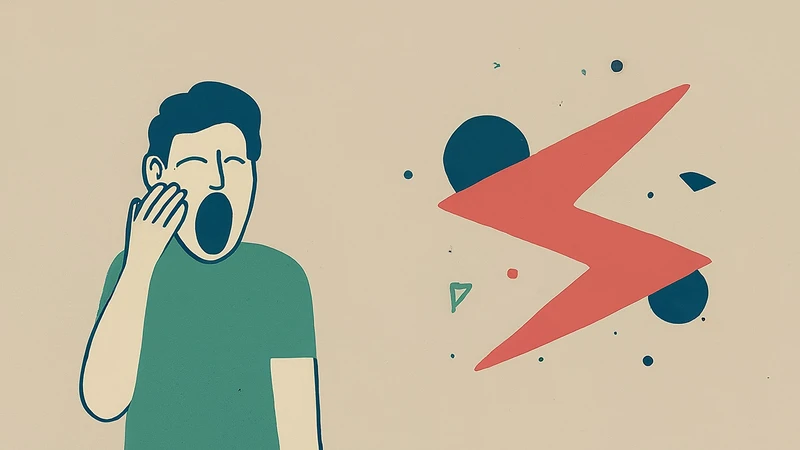
Feeling Tired or Sleepy
- Sono stanco/a. (I’m tired.) - Basic physical or mental tiredness. Remember “-o” for male, “-a” for female.
- Sono esausto/a. / Sono distrutto/a. (I’m exhausted / I’m shattered.) - Stronger than stanco.
- Ho sonno. (I’m sleepy.) - Specifically about wanting to sleep.
- Mi si chiudono gli occhi. (My eyes are closing.) - A very visual way to say you’re sleepy.
- Sto crollando dal sonno. (I’m collapsing from sleepiness.) - Another strong expression for being very sleepy.
- Mi viene sonno. (I’m getting sleepy.) - Indicates the feeling is starting. The example “Sto combattendo una battaglia contro il letto…” (I’m fighting a battle against the bed) is a bit poetic, maybe not something you’d hear every day, but illustrates the feeling. A simpler way might be: “Mi viene un sonno… non riesco a tenere gli occhi aperti!” (I’m getting so sleepy… I can’t keep my eyes open!)
Feeling Hot or Cold
- Ho caldo. (I’m hot / I feel hot.)
- Ho freddo. (I’m cold / I feel cold.)
- Sto morendo di caldo/freddo! (I’m dying of heat/cold!) - Exaggeration again!
- Si gela! (It’s freezing!) - Used to describe the outside temperature, or how cold you feel.
- Fa un caldo terribile! (It’s terribly hot!)
Needing Something or Needing Help
Ho bisogno di… (+ noun or verb in infinitive) (I need…) - The most standard way.
- Example: “Ho bisogno di un caffè.” (I need a coffee.)
- Example: “Ho bisogno di dormire.” (I need to sleep.)
- Example: “Ho bisogno di aiuto.” (I need help.)
Mi serve… (+ noun) (I need… / I require…) - Very similar to ho bisogno di, often used for objects or tools needed for a task.
- Example: “Mi serve una penna.” (I need a pen.)
- Example: “Mi servono due uova per la torta.” (I need two eggs for the cake.) - Note servono because uova is plural.
Devo… (+ verb in infinitive) (I have to… / I must…) - Expresses necessity or obligation.
- Example: “Devo andare in banca.” (I have to go to the bank.)
- Example: “Devo finire questo lavoro.” (I must finish this work.)
Potrebbe aiutarmi, per favore? (Could you help me, please?) - Polite way to ask for help.
Scusi, mi può dare una mano? (Excuse me, can you give me a hand?) - Slightly more informal way to ask for help.
Putting It All Together: Sounding More Natural
So, how do you start using these?
- Listen: Pay attention to how native speakers talk. Watch Italian films (without subtitles first, then maybe with Italian subtitles), listen to Italian music or podcasts. Notice the expressions they use in different situations.
- Start Small: Don’t try to use everything at once. Pick one or two expressions from each category that you like or think you’ll use often. Try incorporating them into your practice conversations or even when just thinking to yourself in Italian.
- Don’t Be Afraid of Mistakes: Using colloquial language naturally takes practice. Sometimes you might use an expression in a slightly wrong context. That’s okay! It’s part of learning. Native speakers will usually understand what you mean, and it shows you’re trying to move beyond basic structures.
- Context is Key: Pay attention to when and with whom certain expressions are used. “Mi fa schifo” is much stronger and more informal than “Non mi piace per niente”. “A mio avviso” sounds more formal than “Secondo me”.
- Add Gestures!: Okay, it’s a bit of a stereotype, but gestures are an important part of Italian communication! They often accompany these expressive phrases. While I can’t teach gestures through writing, be aware that they add another layer of meaning and naturalness.
Learning these expressions isn’t just about sounding more fluent; it’s about understanding the Italian way of communicating – often direct, sometimes dramatic, usually expressive, and always full of life. It helps you connect better with people and understand the culture more deeply.
I hope this gives you a better idea of how to talk about your preferences, opinions, and needs in Italian beyond the first few phrases you learned. It takes time and practice, but adding these bits of natural language can make speaking Italian much more fun and rewarding.
Alla prossima! (Until next time!) Keep practicing!