📺 New! Visit the Italian A2 Elementary Level Guide – a complete hub for A2 resources including TV show tips, grammar, vocabulary, and course information. Bookmark it for your elementary Italian journey. If you’re still at the start, start with a real A1 course before binge-watching — you’ll understand far more without subtitles.
Ciao amici! I’m Giulia, your Italian teacher. Today, I want to talk about something I genuinely love using with my students, and honestly, just enjoy myself: Italian TV shows.
Seriously, watching TV is such a great way to soak up the language. You get to hear how Italians actually speak in everyday life, you pick up new words without even trying too hard, and you start to understand Italian culture on a deeper level. Plus, let’s face it, it’s way more fun than staring at grammar tables sometimes! Think of it as enjoyable homework.
So, I’ve put together a list of 10 shows that I personally think work really well for language learners. There’s a mix here – some are easier to follow, some will really test your skills, some will make you laugh, and others are quite serious. There should be something for everyone. Grab a comfy seat, maybe pour yourself a coffee (or something stronger!), and let’s dive into some great Italian TV for learning Italian.
Why Bother Watching Italian TV? How It Really Helps
Before we get to the list itself, let me quickly explain why I recommend this so much. It’s not just about having fun (though that’s important!).
- Real Listening Practice: This is probably the biggest benefit. You’re exposed to different accents from all over Italy, people talking at natural speeds (which can be fast!), and all the little expressions people use without thinking. It’s very different from the carefully spoken Italian you might find in language apps or beginner textbooks. It trains your ear for the real world.
- Vocabulary in Context: Forget memorizing endless lists. When you hear a new word or phrase in a show, you see how it’s used, who uses it, and what situation it fits. This makes it stick in your memory so much better. You’ll naturally pick up slang, idioms, and common conversational bits.
- A Window into Culture: TV shows are like little windows into Italian life. You see how families interact (sometimes loudly!), what workplaces are like, what people are passionate about, what they eat, how they gesture (yes, the gestures are part of the language!). You learn about social issues, history, and regional differences.
- Keeps You Going: Learning Italian is a marathon, not a sprint. Finding a show you get hooked on makes practice feel less like a chore. You’ll want to watch the next episode, which means more time spent listening to Italian without forcing yourself. That consistent exposure is key.
My Quick Tip: Don’t be scared of subtitles! They’re your friends here. If you’re just starting, use English subtitles to follow the story. Once you’re more comfortable, switch to Italian subtitles. This is fantastic because you connect the sounds you’re hearing with the written words. Eventually, challenge yourself to watch without any subtitles at all. Pause, rewind, replay bits you didn’t catch. It’s all part of the learning curve. If you’re ready to move past subtitles, our A2 course picks up right where casual watching leaves off.
Want to understand these shows without subtitles? Start with a real A1 course or book a free intro lesson to build the listening foundations first.
Alright, ready for the shows? Here we go!
1. Che Tempo Che Fa (Literally “What’s the weather like?” but means “How are things?”)
First up isn’t a fictional series, but a really popular Italian talk show. Hosted for many years by the smooth Fabio Fazio, it’s a staple of Sunday evening TV for lots of Italians. The title is a clever play on words – it sounds like a weather report, but it’s really about discussing “the times we live in.”

Why it helps your Italian:
- Hear Different Speakers: Fazio interviews all sorts of people – Italian celebrities, international stars, writers, scientists, politicians. This means you hear a range of speaking styles, from quite formal interviews to more relaxed chats.
- Stay Updated: The conversations usually cover current events, cultural happenings, and social discussions relevant to Italy. It’s a good way to learn vocabulary related to these areas and understand what people are talking about.
- Generally Clear Speech: While the guests vary, Fazio himself tends to speak very clearly. The interview format often means people take turns speaking, which can be easier to follow than the rapid back-and-forth in some dramas.
- Cultural Barometer: Knowing who the guests are and what topics are being discussed gives you a real feel for contemporary Italian culture.
Who should watch it? I’d recommend this for intermediate to advanced learners (roughly B1 to C1). Beginners might find the topics and speed a bit much. But if you’re intermediate, especially using Italian subtitles, it’s great practice for understanding discussions and more formal language.
2. Don Matteo
Ah, Don Matteo. This show is a true Italian classic, running for ages, and holds a special place in many hearts. It stars Terence Hill (yes, the famous actor from Italian Westerns!) as the title character, Don Matteo, a Catholic priest living in a beautiful small town in Umbria (first Gubbio, later Spoleto). He’s not just any priest; he has an amazing talent for solving crimes, often figuring things out before the local Carabinieri (police). He works alongside them, especially the lovable Maresciallo Cecchini (played perfectly by Nino Frassica), much to their good-natured frustration.
Why it helps your Italian:
- Clear, Standard Italian: For the most part, the language is very clear and standard. You won’t find overwhelmingly strong regional accents, though Cecchini’s slight Sicilian touch adds a lot of charm without being too hard to understand. This makes it accessible for learners.
- Everyday Life: While each episode has a crime plot, a lot of the show is about the characters’ lives, their relationships, and daily goings-on in the town. You’ll hear loads of common, useful vocabulary.
- Gentle & Pleasant: The show has a warm, comfortable feel. The mysteries aren’t usually very dark or complicated, so you can follow the story easily while focusing on listening to the Italian.
- Slice of Italian Life: It beautifully showcases life in a picturesque Italian province, highlighting community values, family ties, the local church’s role, and stunning Umbrian scenery.
Who should watch it? This is perfect for beginners moving into intermediate (A2-B1). The clear dialogue and fairly predictable structure make it a less intimidating way to start watching native content. I often suggest this one to my students early on.
3. Un Medico in Famiglia (A Doctor in the Family)
Here’s another incredibly long-running and beloved Italian show. Un Medico in Famiglia is a family comedy-drama that started way back in the late 1990s and kept going for many seasons. It follows the Martini family. Initially, the story centers on Lele Martini (played by Giulio Scarpati), a doctor who becomes a widower and moves with his kids and his very eccentric father, Libero (the legendary Lino Banfi!), from Rome to a quieter suburban neighborhood.
Why it helps your Italian:
- Real Family Talk: This show is absolutely full of conversations about family issues, kids’ school problems, work stress, romantic relationships – all the normal stuff. You’ll learn tons of vocabulary that you can actually use.
- Warmth and Laughs: It’s generally a feel-good show. Much of the humor comes from the loving chaos of the large family and especially from grandfather Libero’s funny observations (often peppered with some Pugliese dialect, reflecting Banfi’s own roots).
- Everyday Spoken Italian: You get to hear informal, conversational Italian, including common expressions and how people naturally phrase things.
- Relatable Situations: Even when things get comical, the core themes of family life are very relatable, which helps you connect with the characters and the language they use.
Who should watch it? I think this works well for late beginners up to intermediate learners (A2-B2). The dialogue can be quick sometimes, and some jokes might depend on cultural nuances, but the overall themes are easy to grasp. It’s a comforting, easy watch.
4. Gomorrah (Gomorra - La Serie)
Okay, let’s switch gears dramatically. Gomorrah is intense. It’s a gritty, violent, and internationally acclaimed crime drama based on Roberto Saviano’s non-fiction book about the Neapolitan mafia, the Camorra. The series gives a fictionalized but brutally realistic look inside this world, focusing on the Savastano crime family, their rivals, and the constant, bloody power struggles.

Why it helps your Italian (with a big warning):
- Authentic Dialect: This is the major point – and the major challenge. A huge amount of the dialogue is in Neapolitan dialect. This is very different from standard Italian. However, the show usually airs with standard Italian subtitles. Watching it this way is incredible practice for understanding a strong regional dialect while reinforcing your standard Italian reading skills. It really shows you Italy’s linguistic diversity. But it’s tough.
- Specific Vocabulary: You’ll learn words related to crime, power, loyalty, territory, and betrayal. It’s the language of a very specific, dark world.
- Gripping Story: If you can handle the violence and darkness, the plot is incredibly complex and compelling. It will definitely keep you watching and motivated to understand what’s going on.
- Cultural Insight (Dark Side): It provides a powerful, albeit fictionalized, look at the devastating reality and influence of organized crime in certain areas of Italy.
Who should watch it? This is strictly for advanced learners (C1-C2), especially if you’re trying to understand the Neapolitan directly. Even with Italian subtitles, the dialect, speed, and cultural references make it very challenging. It’s an amazing series, but please, don’t make this your first Italian show! Use it to test yourself once your Italian is quite strong.
5. Non è la Rai (It’s Not Rai)
Let’s jump in a time machine! Non è la Rai was a massive teen variety show back in the early 1990s. It was broadcast live every afternoon and featured a big cast of teenage girls singing (often lip-syncing), dancing, playing silly games, and chatting with the host, Ambra Angiolini (who became a huge star thanks to this show).
Why it might help your Italian:
- 90s Pop Culture Vibe: If you have any interest in Italian pop culture from the 90s, this show is iconic. It really captures the atmosphere of that time.
- Simple Language (Sometimes): The games, the introductions to songs, and some of the chat segments often used relatively simple, repetitive language aimed at a young audience.
- Music: It featured tons of Italian pop songs from the era. Singing along is always a fun way to practice pronunciation and rhythm.
- Casual Teen Talk: You hear very informal, youthful Italian, including slang popular back then.
Who should watch it? This one’s a bit different. The language itself isn’t super complex, maybe low intermediate (A2/B1) could pick up some things. But its main value now is probably cultural or nostalgic. It’s not a story-driven show, so you can easily watch clips online (finding full episodes might be hard). Think of it more as a fun, slightly kitsch cultural document than a structured learning tool.
6. Suburra: Blood on Rome (Suburra - La Serie)
Similar in its dark, gritty feel to Gomorrah, but this time set in Rome, Suburra is another top-notch crime thriller. It dives into the messy connections between organized crime gangs, corrupt politicians, and figures within the Vatican. The story follows three young men from very different backgrounds who join forces to chase a shared, dangerous ambition. It actually serves as a prequel to the movie of the same name.
Why it helps your Italian:
- Modern Roman Italian: You’ll hear lots of contemporary Roman accents and slang, known as Romanesco. This gives you great exposure to another major Italian way of speaking. It’s generally not quite as dense as the Neapolitan in Gomorrah, but it still has its own rhythm and vocabulary that can be challenging.
- Intricate Plot: Like Gomorrah, the story about power plays, alliances, and betrayals is complex and will keep you hooked, pushing you to understand the details.
- Politics & Crime Vocabulary: You’ll learn words related to city politics, real estate deals, different types of criminal organizations, and street life in Rome.
- Looks Great: It’s a very well-produced series, visually engaging and has a cinematic quality.
Who should watch it? Again, this is better for upper intermediate to advanced learners (B2-C2). The Romanesco accent, slang, and often fast dialogue mean you’ll likely need Italian subtitles. But if you enjoy intense crime stories, it’s a compelling watch.
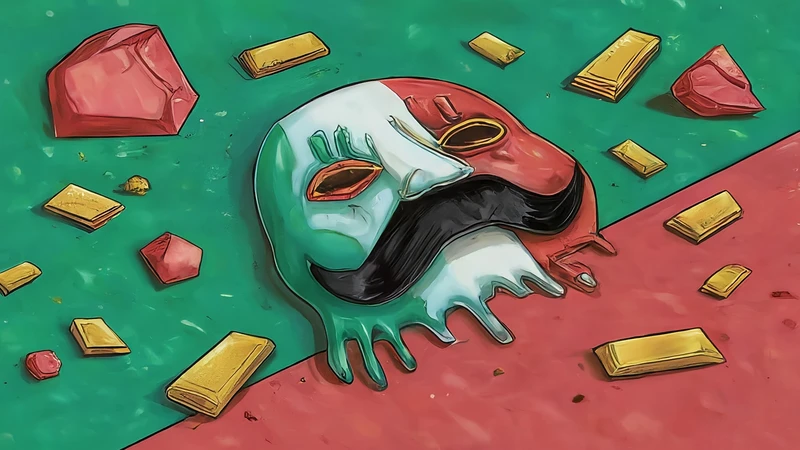
7. La Casa de Papel (Money Heist) - Italian Dubbed Version
Okay, I know what you’re probably thinking – “Hold on, Giulia, that’s a Spanish show!” And you’re absolutely right. La Casa de Papel (Money Heist) is the hugely successful thriller from Spain. But it was incredibly popular in Italy, just like almost everywhere else.
Why the Italian dub can help your Italian:
- High-Quality Dubbing: Italy actually has a very long and respected tradition of dubbing foreign films and TV shows. Popular international hits like this are dubbed into Italian by professional voice actors. This means you hear fluent, natural-sounding Italian dialogue spoken clearly.
- You Might Know the Story: If you’ve already watched the show in English or Spanish, you already understand the plot twists and characters. This frees up your mental energy to focus purely on the Italian language being spoken, without struggling to keep up with the story.
- It’s Addictive: Let’s be honest, it’s a thrilling show that makes you want to binge-watch. Consistent exposure is fantastic for language learning, and this series offers hours upon hours of listening practice.
- Cultural Reference Point: Because it was so widely watched, you might hear Italians referencing it, so watching the dubbed version helps you understand those references.
Who should watch it? The Italian used in the dub is standard and generally clear, though it gets fast in action scenes. I think it’s a good option for intermediate learners (B1-B2) who want lots of listening practice with a story they might already know and enjoy. It’s a practical way to leverage popular global content. Just remember, you’re listening to dubbed Italian, not watching an originally Italian production.
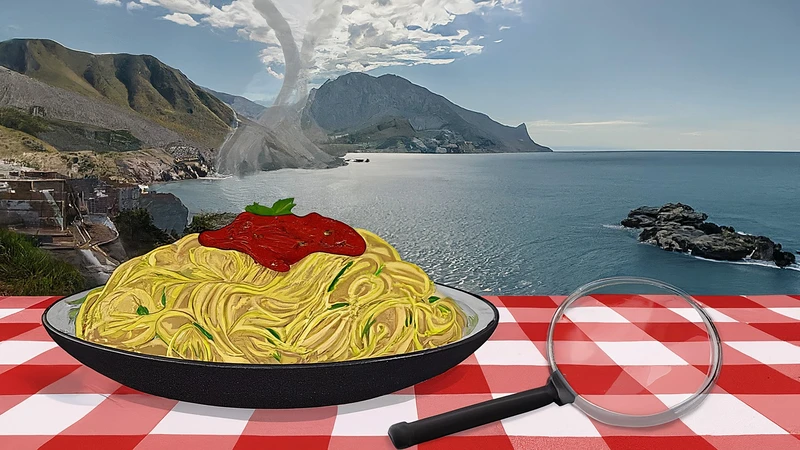
8. Inspector Montalbano (Il Commissario Montalbano)
Based on the much-loved novels by Sicilian author Andrea Camilleri, Inspector Montalbano is perhaps one of Italy’s most successful and internationally famous TV series ever. It’s set in the fictional town of Vigata in Sicily and follows the investigations of Salvo Montalbano, a brilliant, somewhat grumpy, food-loving police inspector.
Why it helps your Italian:
- Mix of Standard Italian & Sicilian: This is fascinating. Montalbano himself mostly speaks standard Italian. However, many other characters, especially locals, speak Sicilian dialect or Italian heavily influenced by Sicilian grammar and vocabulary. Camilleri famously created a unique literary language blending the two, and the show captures this. Like Gomorrah (but less overwhelming), this contrast is excellent practice. The show often airs with Italian subtitles even in Italy because of this mix.
- Deep Dive into Sicily: The series is practically a love letter to Sicily. You see stunning landscapes, beautiful Baroque architecture, the central importance of food (Montalbano’s passion for meals is legendary!), and the specific social codes and atmosphere of the island.
- Classic Detective Stories: Each episode is usually a self-contained mystery. The plots are often complex and thoughtful, sometimes touching on social issues with a touch of melancholy.
- Unforgettable Characters: Montalbano is a fantastic, nuanced character. His interactions with his quirky team – the loyal Fazio, the womanizing Mimì Augello, and especially the hilariously incompetent Catarella (whose mangled Italian is a running joke, but probably not the best model for learners!) – are a huge part of the show’s charm.
Who should watch it? It’s best for intermediate to advanced learners (B1-C2). The standard Italian parts are clear, but the Sicilian elements definitely add a layer of difficulty. The pace is generally slower than the modern crime thrillers, which might make it feel more accessible. It’s essential viewing for anyone wanting to understand Italy’s regional diversity and enjoy beautiful, character-driven storytelling. And it will make you hungry!
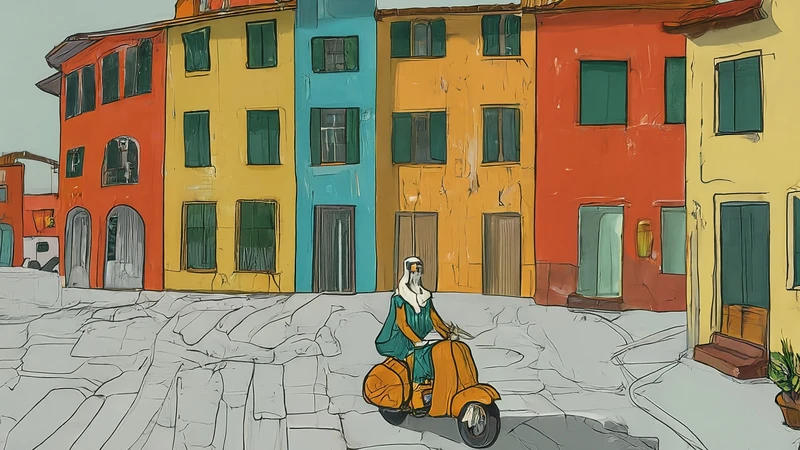
9. Che Dio Ci Aiuti (May God Help Us)
Looking for something lighter? Che Dio Ci Aiuti is a popular comedy-drama series. It stars the wonderful Elena Sofia Ricci as Suor Angela, a nun with a surprising past (she’s a former convict!) who now runs a bar and residence hall within her convent. She has a knack for investigating and helping people, often getting involved (some might say meddling!) in the lives of the students and others who pass through, sometimes clashing with the more traditional Suor Costanza.
Why it helps your Italian:
- Clear, Everyday Language: The Italian used is generally standard, quite clear, and focuses on relationships, daily problems, and conversations you might hear in a university or community setting.
- Upbeat and Positive: Unlike the crime shows, this one has an optimistic tone. It focuses on themes like friendship, forgiveness, finding your way in life, and solving personal problems (often with a light mystery element). It’s a relaxing, feel-good watch.
- Useful Vocabulary: It covers themes like love, study worries, family disagreements, and life choices, making the vocabulary very relevant for everyday conversation.
- Gentle Humor: The interactions, especially between the street-smart Suor Angela and the more by-the-book characters, provide plenty of lighthearted moments.
Who should watch it? Much like Don Matteo, this is a great choice for beginners and intermediate learners (A2-B2). The clear dialogue and focus on relatable human stories make it fairly easy to follow. It’s a charming and very popular show in Italy.
10. Boris
Okay, last one, and it’s completely different again. Boris is a cult classic comedy series in Italy, filmed like a mockumentary. It hilariously portrays the chaotic, cynical, and often incompetent world behind the scenes of a terrible Italian TV soap opera called “Gli Occhi del Cuore” (The Eyes of the Heart).
Why it helps your Italian (if you’re ready):
- Sharp Satire & Specific Humor: It brilliantly makes fun of the Italian television industry, common Italian stereotypes, and aspects of Italian work culture. The humor is very sharp, cynical, and often relies on wordplay and catchphrases that became incredibly famous in Italy (like “dai, dai, dai!”, “smarmella,” or doing things “a cazzo di cane” - which means doing them badly/sloppily). Understanding this humor is like unlocking a cultural inside joke.
- Very Realistic Spoken Italian: This is how people might actually talk under pressure on a low-budget set. It’s very natural, informal, often uses Roman-inflected Italian, includes plenty of casual swearing, and industry slang (used ironically).
- Cultural Commentary: Getting the jokes gives you insight into how Italians sometimes view their own TV quality, bureaucracy, and general approach to work.
- Iconic Characters: The cast is unforgettable: René Ferretti, the mediocre director constantly battling idiocy; the diva actress; the exploited interns; the eccentric crew members.
Who should watch it? This is definitely one for advanced learners (B2-C2). The humor is fast, relies heavily on cultural context and specific linguistic quirks, and the dialogue is very colloquial and often overlaps. Beginners would likely feel completely lost. But, if your Italian is pretty solid and you want to understand contemporary Italian irony, satire, and cult TV, Boris is absolutely essential. It’s brilliant.
Bonus: Camera Café (Beginner to Intermediate)
Think of this as the perfect training ground for the clip-rewatching method. Camera Café is an office-comedy made of short, self-contained episodes of around ten minutes each, which makes it ideal for the clip-rewatching method described above. Set almost entirely in front of a coffee machine, the humor comes from quick, everyday workplace exchanges — the kind of dialogue you will actually hear and use.
Why it helps your Italian:
- Bite-sized and repeatable: Ten-minute, self-contained episodes are perfect for watching a clip 2–3 times: once with English subtitles, once with Italian subtitles, once without.
- Everyday office Italian: Clear pronunciation and practical vocabulary for work, small talk, and common idioms, without heavy regional slang.
- Natural but manageable speed: Dialogue is conversational and fast enough to be authentic, yet short enough to pause, rewind, and mimic.
Who should watch it? Ideal for beginners to intermediate learners (A1-B1) who want a low-pressure way to build listening stamina before tackling longer dramas. Keep it in rotation as your daily 10-minute listening workout.
Getting the Most Out of Watching
So, there you have it – ten Italian shows that offer a mix of styles, challenges, and cultural flavors. Watching TV can truly be a fantastic part of your learning journey, but here’s how to make it count:
- Don’t Just Zone Out: Try to be an active viewer. Listen carefully, maybe jot down new words or phrases that catch your ear. Try repeating things out loud to practice pronunciation.
- Pick Shows You Actually Like: If you’re bored stiff, you won’t keep watching. Find something that genuinely grabs your interest, whether it’s the story, the characters, or the setting.
- Use Subtitles Smartly: They are a tool, not a crutch. Start with English if you must, then bravely switch to Italian, and finally, try turning them off altogether. Don’t worry if you miss things – pause, rewind, look words up. It’s okay!
- Variety is Good: Try different kinds of shows – a comedy, a drama, maybe a talk show – to hear different types of language and accents.
- Be Kind to Yourself: You won’t understand every single word, especially at first. That is completely normal! Focus on understanding the main idea, enjoy the process, and celebrate the moments when you realize, “Hey, I understood that!”
Learning Italian should feel like an exciting exploration, and diving into its television landscape is a really fun way to connect with the culture and the living pulse of the language. Textbooks are essential, but TV brings it all to life.
I really hope this list gives you some good ideas for what to watch next. Let me know if you try any of these or if you have other favorite Italian shows you use for learning!
Which Italian TV Shows Are Best for True Beginners?
If you are just starting out, stick to Camera Café, Un Medico in Famiglia, Che Dio ci Aiuti, and Italian-dubbed children’s shows. All four share the traits that matter most early on: clear pronunciation, everyday vocabulary, and dialogue that does not rely heavily on regional slang. Save Montalbano, Suburra, Romanzo Criminale, and L’Amica Geniale for once you can follow a beginner-level show without leaning on English subtitles.
Frequently Asked Questions
What is the best way to learn Italian by watching TV?
Match the show to your level, start with English subtitles, move to Italian subtitles as soon as you can follow the plot without them, then practice short unsubtitled clips to build real listening skill. Jumping straight to advanced shows with no subtitles is the single most common mistake learners make.
What are the best Italian TV shows with English subtitles?
Un Medico in Famiglia, Che Dio ci Aiuti, and Boris all have reliable English subtitle support on major streaming platforms, which makes them a solid starting point if you want to follow the story easily while you build your ear.
What are the best streaming services to learn Italian through TV?
Netflix offers the most consistent Italian subtitle support across its Italian catalog. RaiPlay is free and gives you authentic Italian television, but works best once your listening is already fairly solid.
Are Italian cartoons useful for learning Italian?
Yes, especially for true beginners. Children’s programming uses simpler sentence structures and clearer pronunciation than adult dramas, which makes it a genuinely useful, if unglamorous, entry point.
How many episodes of a show should I watch to notice progress?
Most learners start noticing real gains in listening comprehension after five to ten episodes of the same show, since the recurring cast and setting let vocabulary and pronunciation patterns repeat and reinforce themselves.
Buona visione e buono studio! (Happy viewing and happy studying!)